
Knowledge Base
Coffee & Tea Guides
Brew better and explore more — buying guides, how-tos, and explainers for every coffee and tea ritual.
How-To
How to Make Brown Rice Tea at Home
The pure roasted-rice tea known as hyeonmi-cha: dry-roast brown rice, then simmer or steep it into a warm, nutty, caffeine-free cup — no green tea, and nothing like genmaicha.
How-To
How to Make Mangosteen Tea at Home
Mangosteen tea is a tart, caffeine-free tisane brewed from the fruit's dried purple rind. Here is how to make it at home - the amounts, the simmer-or-steep method, and how to keep it smooth.
How-To
How to Make Coconut Syrup for Coffee
Make a sweet, tropical coconut syrup at home from sugar, water and real shredded coconut, with ratios, a quick coconut-extract shortcut, storage tips and easy ways to stir it into hot and iced coffee.
How-To
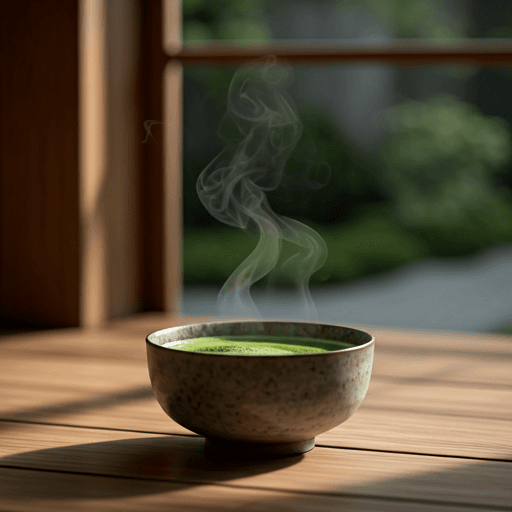
How to Make Spearmint Tea at Home
Spearmint tea is a bright, sweet, cooling, caffeine-free cup. Here is how to make it from fresh or dried leaves, with amounts, a steep-time table, an iced version, and storage tips.
How-To
How to Make Marjoram Tea at Home
Marjoram tea is a soft, sweet-savory, caffeine-free infusion of Origanum majorana, the milder cousin of oregano. Here is how to make it from fresh or dried leaves, with amounts, steep times, an iced version and a light safety note.
How-To
How to Make Beetroot Tea at Home
Beetroot tea is a caffeine-free, ruby-red infusion with an earthy-sweet flavor. Here is how to make it three ways - from fresh grated beet, dried slices, or beetroot powder - plus ginger and iced versions.

How-To
How to Make Simple Syrup for Coffee and Iced Drinks
Simple syrup is just sugar dissolved in water, and it is the grit-free way to sweeten any cold drink. Here is how to make it in two ratios and two easy methods, plus how much to use and how to store it.
How-To
How to Make Allspice Tea from Whole or Ground Berries
Allspice tea is made by crushing and simmering whole allspice berries — or briefly steeping ground allspice — into a warm, clove-and-cinnamon-scented cup. Here is the full recipe, the whole-versus-ground question, spiced and citrus variations, and how to store the berries.
How-To
How to Make Pandan Tea at Home
Pandan tea is made by simmering or steeping the fragrant green leaves of the screwpine plant until the water turns pale gold-green and sweet-smelling. Here is how to make pandan tea from fresh, frozen, or dried leaves, plus a lemongrass version and an iced coconut twist.

How-To
How to Make Pumpkin Spice Cold Foam
Pumpkin spice cold foam is cold milk frothed with pumpkin puree, spice, and a little sweetener into a light, pourable topping. Here is the full recipe, the tools that work, and how to nail the thickness so it floats on cold brew or iced coffee.
How-To
How to Make Mulberry Leaf Tea at Home
Mulberry leaf tea is a mild, grassy-green, naturally caffeine-free cup made from dried young mulberry leaves. Here is how to harvest, dry and steep it at home, hot or iced, plus a small table for fresh vs dried leaf.
How-To
How to Make Goji Berry Tea at Home
Goji berry tea is dried wolfberries steeped in hot water for 5 to 10 minutes into a sweet-tart, golden infusion. Here is how to make it, plus variations, storage and safety.
How-To
How to Make Hawthorn Tea (Berries, Leaves & Flowers)
Learn how to make hawthorn tea from the berries, leaves, or flowers: exact amounts, steep and simmer times, hot and iced methods, sweetening, and storage.
How-To
How to Store Tapioca Pearls: Cooked & Uncooked Boba
Dried tapioca pearls last for months in the pantry, but cooked boba is best within a few hours. Here is how to store both, why finished pearls harden, and how to keep them soft and chewy.
Explainer
Can You Over-Steep Tea? What Happens If You Do
Yes, you can over-steep tea — leaving the leaves in too long pulls out extra tannins and turns the cup bitter, astringent and drying, not unsafe. Here is what over-steeping does, why it varies by tea type, and how to fix and prevent it.
Explainer
Can You Reheat Tea? Taste, Safety & Tips
Yes, you can reheat plain black or green tea that has only cooled briefly, and it is perfectly safe. But the aroma dulls and the tannins turn a little more bitter, so here is how to warm a cup gently, when to microwave versus use the stove, and when it is better to remake it.
Explainer
Can You Reuse Tea Bags? What to Expect
Can you reuse tea bags? Usually yes, for a cup or two more — but each re-steep is weaker. Here is what to expect, which teas reuse best, and how to do it safely.
Explainer
The Best Water for Coffee: Why It Matters
A cup of coffee is about 98% water, so its quality matters as much as the beans. Here is what the best water for coffee looks like, and how tap, filtered, bottled and distilled compare.
Explainer
Rooibos vs Oolong: What's the Difference?
Rooibos vs oolong compared: a caffeine-free South African red bush herbal versus a partially oxidized true tea from Camellia sinensis with real caffeine.
Explainer
Yellow Tea vs Oolong: What's the Difference?
Both are true teas from Camellia sinensis, but yellow tea is barely oxidised and mellow while oolong is partially oxidised, rolled, and often roasted. Here is how the two compare on flavor, caffeine, and brewing.
Explainer
How Much Palo Azul Tea Per Day? A Simple Everyday Guide
There is no single official limit on palo azul tea, but a common gentle range is about 1 to 3 cups a day. Since the plain bark-and-wood brew is caffeine-free, how much is mostly about taste, tolerance, and starting with one.
Explainer
The Ethiopian Coffee Ceremony, Explained
The Ethiopian coffee ceremony is a from-scratch ritual of roasting, grinding and brewing coffee in a jebena, served in three rounds as an act of welcome and community.
Explainer
Iced Cortado vs Cortado: What's the Difference?
Iced cortado vs cortado comes down to temperature: same equal-parts espresso-and-milk idea, but one is warm and lightly steamed while the other is cold over ice. Here is how milk, texture, taste, strength, dilution and caffeine compare, plus which to choose and when.
Explainer
Iced Mocha vs Iced Coffee: What's the Difference?
Iced coffee is chilled brewed coffee over ice; an iced mocha is a cold chocolate-and-milk espresso drink. Here's how the two differ in base, taste, milk, and caffeine — and when to pick each.