
Knowledge Base
Coffee & Tea Guides
Brew better and explore more — buying guides, how-tos, and explainers for every coffee and tea ritual.
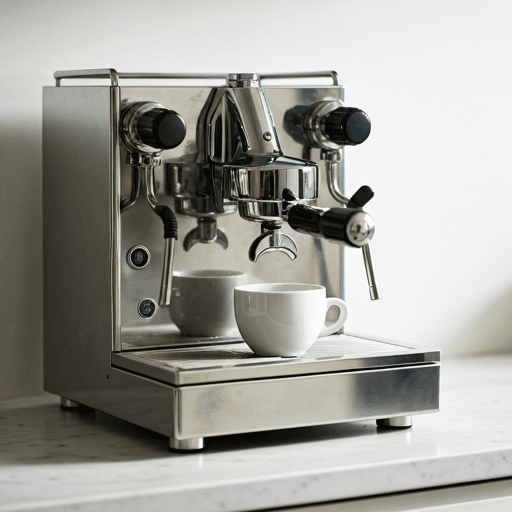
Explainer
V60 vs Drip Coffee: What's the Difference?
A V60 is a manual cone pour-over you steer by hand; an automatic drip machine pours for you at the push of a button. Here is how the two brews differ on control, clarity, effort and volume — and when to reach for each.
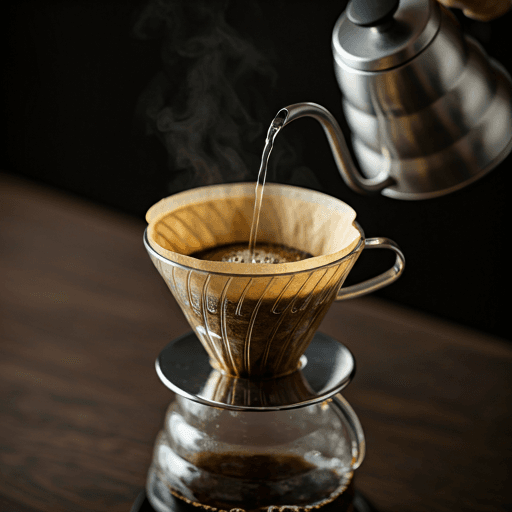
Explainer
Chemex vs Drip Coffee: What's the Difference?
A Chemex is a manual glass pour-over you control by hand; drip coffee usually means the push-button automatic machine. Here's how the filter, clarity, effort and volume compare — and when to choose each.
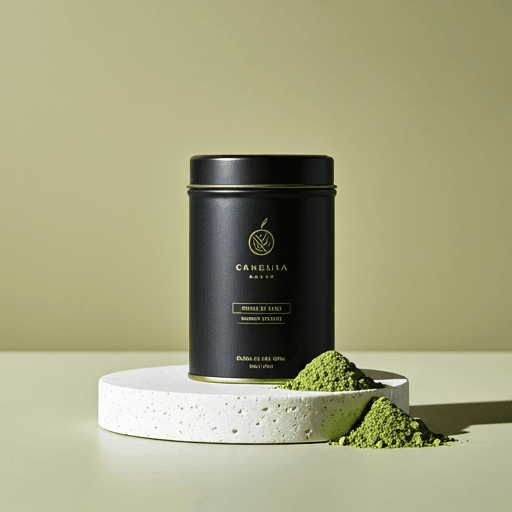
Explainer
White Tea vs Oolong: What's the Difference?
White tea and oolong both come from Camellia sinensis, but they part ways on oxidation. Here is how their processing, flavour, caffeine and brewing really differ.
Explainer
How Much Liquorice Tea Per Day? A Careful Guide
Plain liquorice tea has no caffeine to limit, but glycyrrhizin in real liquorice root is the reason many keep it to about one modest cup a day. A gentle, hedged guide to how much liquorice tea per day makes sense.
Explainer
Percolator vs AeroPress: What's the Difference?
Percolator vs AeroPress: a recirculating stovetop pot cycles hot water for a bold, robust batch, while the AeroPress hand-presses one clean, smooth, low-bitterness cup in seconds.
Explainer
Cold Brew vs Turkish Coffee: What's the Difference?
Cold brew and Turkish coffee sit at opposite ends of the coffee world: a long, cold, coarse, strained overnight steep versus a quick, hot, powder-fine, unfiltered little cup. Here is how they compare on grind, temperature, filtration, body and serving.
Explainer
Iced Macchiato vs Macchiato: What's the Difference?
A traditional macchiato is a small espresso stained with a dab of milk, while the cafe iced macchiato is a big, layered cold milk drink with espresso poured on top. Here is the real difference in build, milk, taste and strength.
Explainer
Iced Flat White vs Flat White: What's the Difference?
Both are small, coffee-forward espresso-and-milk drinks, but one is hot with steamed microfoam and one is cold over ice. Here is how the two compare.
Explainer
Iced Americano vs Americano: What's the Difference?
Iced americano vs americano comes down to one thing: espresso met with hot water in a warm cup, or cold water over ice in a tall glass. Here is how that changes the crema, taste, dilution and caffeine.
Explainer
Iced Cappuccino vs Cappuccino: What's the Difference?
Iced cappuccino and cappuccino share the same espresso-and-foam idea, but one is steamed and served hot while the other is cold foam poured over ice. Here is how they differ in milk, texture, taste, dilution and caffeine.
Explainer
Cortado vs Espresso: What's the Difference?
Espresso is the small, concentrated shot; a cortado is that same shot cut with an equal splash of steamed milk. Here is how cortado vs espresso compare.
Explainer
Iced Mocha vs Mocha: What's the Difference?
A mocha and an iced mocha share the same espresso, milk and chocolate — one hot and steamed, one cold over ice. Here is how their chocolate, texture, taste, dilution and caffeine compare, and when to pick each.
Explainer
Moka Pot vs Cold Brew: What's the Difference?
Moka pot vs cold brew sets hot stovetop pressure against a long cold steep. See how temperature, time, grind, flavor, strength and serving style differ, and which one suits your cup.
Explainer
Turkish Coffee vs French Press: What's the Difference?
Turkish coffee simmers powder-fine grounds unfiltered in a cezve for a tiny, intense cup; a french press steeps coarse grounds and plunges a mesh for an easy, full-bodied pot. Here is how grind, method, body, and serving set them apart.
Explainer
Cold Brew vs Pour Over: What's the Difference?
Cold brew steeps coarse grounds in cold water for 12 to 24 hours to make a smooth, low-acid concentrate, while pour over sends hot water through medium grounds in minutes for a bright, fresh cup. Here's how the two methods differ and when to choose each.
Explainer
Macchiato vs Espresso: What's the Difference?
An espresso is the plain, concentrated shot; a traditional macchiato is that same shot marked with just a spoonful of milk. Here is how macchiato vs espresso compare on milk, size, strength and caffeine, plus why the name gets so confusing.
Explainer
How Much Burdock Root Tea Per Day? A Gentle Everyday Range
There is no official cap on burdock root tea, but many people keep it to about 1 to 3 cups a day and start with one. Here is how to find a comfortable amount.
Explainer
Cold Foam vs Whipped Cream: What's the Difference?
Cold foam is frothed cold milk that pours and melds into your coffee, while whipped cream is sweetened heavy cream that sits on top. Here is how the two differ and when to reach for each.
Explainer
Frappe vs Iced Coffee: What's the Difference?
Iced coffee is brewed coffee cooled over ice; a frappe is shaken or blended until thick and foamy. Here is how frappe vs iced coffee compare on method, texture, sweetness and caffeine, plus which to choose.
Explainer
Spanish Latte vs Cafe con Leche: What's the Difference?
A Spanish latte is sweetened with condensed milk and dessert-like; a cafe con leche is plain equal parts coffee and hot milk. Here is how the two differ and when to choose each.
Explainer
AeroPress vs Cold Brew: What's the Difference?
AeroPress or cold brew? One is a fast, hands-on pressed cup in about a minute; the other a slow, hands-off batch of low-acid concentrate. Here is how they compare on time, flavor, strength and iced coffee.
Explainer
Moka Pot vs Pour Over: What's the Difference?
A moka pot uses steam pressure for a strong, concentrated cup; pour over uses gravity through a filter for a cleaner, brighter one. Here is how the two brewers differ and which to pick.
Explainer
How Much Ginseng Tea Per Day? A Simple Guide
Wondering how much ginseng tea to drink daily? There is no fixed limit, but many people keep it to about 1 to 2 cups a day and cycle it. Here is a hedged, non-medical look at how much and how often, plus a light brewing note.
Explainer
How Much Clove Tea Per Day? A Simple Daily Guide
There is no official daily limit for clove tea, but the spice is potent, so most people stick to about one to two gentle cups a day. Here is how to find your own comfortable amount.