
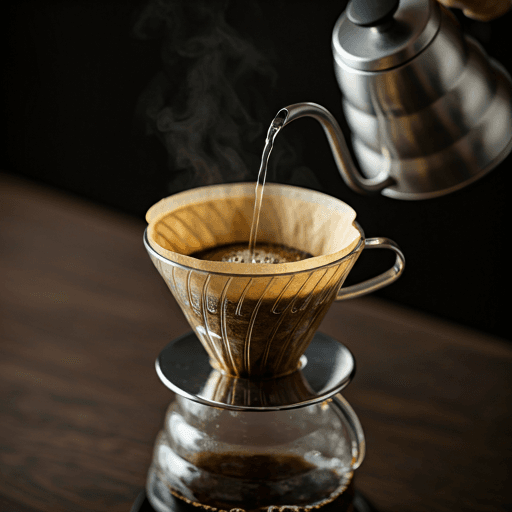
If you have ever paused at a menu wondering about iced americano vs americano, the honest answer is that they are the same coffee built two ways. Both are simply espresso diluted with water and no milk. A hot americano is espresso topped up with hot water and served warm, while an iced americano is espresso combined with cold water and poured over ice, served cold. The whole split comes down to hot water versus cold water over ice, and that one change quietly reshapes how the crema and flavour come across.
The short answer: iced americano vs americano
Both drinks begin in the same place: one or more shots of espresso, the concentrated coffee style first perfected in Italy, loosened with plain water. Nothing else joins the cup by default, no steamed milk, no foam, no syrup. The only meaningful difference between them is temperature and the path the water takes. A hot americano meets hot water and stays warm. An iced americano meets cold water and a glass of ice, so it arrives cold and refreshing. If you want the full definition of the base drink on its own, that lives in our guide to what an americano is, and the wider family of chilled coffee is covered in our overview of iced coffee. Here we are only lining the two temperatures up next to each other.
Water and ice: hot water vs cold water over ice
This is the mechanical heart of the difference between iced americano and americano. For a hot americano you pull the espresso, then top it up with hot water, usually somewhere around 90-96 C (194-205 F). A common working ratio is one part espresso to two, three or four parts water, adjusted to taste. Some baristas pour the hot water into the cup first and add the shots on top, which lets a thin layer of crema sit on the surface for a moment.
An iced americano starts with the same shots, but the water is cold or at room temperature, and a glass packed with ice is part of the recipe rather than a garnish. You might pour the shots and cold water over the ice, or combine shots and water and then add ice. Either way, the ice is doing real work: it chills the drink almost instantly and keeps it cold as you sip.
- Hot americano: espresso plus hot water, stirred together, no ice.
- Iced americano: espresso plus cold water, poured over a full glass of ice.
Temperature and serving
Serving style follows directly from the water. A hot americano lives in a warm ceramic cup, drunk fairly soon after it is made while it holds its heat. It reads as a cosy, sit-down black coffee. An iced americano lives in a tall, cold glass, clinking with ice, and it is built to be sipped slowly and to stay refreshing. That is really the core of iced americano vs hot americano: one is a warm cup you cradle, the other is a cold glass you reach for when you want something crisp. The glassware is not just for show, either. A wide glass gives the ice room to sit above the liquid, and the extra surface area is part of why an iced americano can feel so long and thirst-quenching next to the tighter, more concentrated feel of a hot cup.
Crema and taste
Temperature also changes what you taste, though palates differ and none of this is absolute. Hot water tends to break down the espresso's crema quickly, so a hot americano's golden layer usually thins and fades within a minute or two. Cold water and ice are gentler, so an iced americano can hold onto a little more crema, and many drinkers feel the cold cup tastes crisper, cleaner and slightly brighter, with the acidity a touch more forward and less of the roasty bitterness that heat can push up. Others prefer the rounder, warmer flavour of the hot version. Neither is more correct; it is a matter of what you are in the mood for.
Dilution over time
Ice is the practical wrinkle. As it melts, it keeps thinning an iced americano, so the last few sips can taste weaker than the first. Because of that, some people build the iced version a little stronger, using an extra shot or slightly less added water so the melting ice does part of the diluting for them. A hot americano has no such drift: its dilution is locked in the moment you pour the water, so it tastes much the same from first sip to last, aside from cooling down. If you like a bolder iced cup, building for the melt is the simplest fix.
Strength and caffeine
Because both drinks use the same espresso, their caffeine is essentially equal, whatever the temperature. As a rough guide, a double shot lands somewhere around 120-130 mg of caffeine, but this varies a lot with the bean, roast, grind and machine, so treat any figure as an estimate rather than a fixed number. In body, both an americano and an iced americano are black, lighter-bodied coffees, closer to drip strength than to a straight, syrupy shot, because the water spreads the espresso out. If you are sensitive to caffeine, pregnant, breastfeeding or taking medication, it is worth asking your own healthcare provider; responses vary and this is not medical advice.
Iced americano vs americano at a glance
| Aspect | Hot americano | Iced americano |
|---|---|---|
| Temperature | Served warm in a ceramic cup | Served cold in a tall glass |
| Water & ice | Hot water stirred into the shots, no ice | Cold water plus a full glass of ice |
| Crema | Fades fast under the hot water | Can hold a little more crema |
| Taste & strength | Rounder, warmer, same espresso base | Crisper and brighter, same espresso base |
| Best for | A warm, unhurried black coffee | A refreshing cold black coffee |
Which to choose, and when
The choice is less about which is better and more about the moment. Reach for a hot americano when you want a warm, comforting black coffee to linger over, on a cold morning or a slow afternoon, or simply when you like your coffee hot. Reach for an iced americano when it is warm out, when you want something long and refreshing, or when you fancy that cleaner, brighter edge that the cold brings. So is an iced americano the same as an americano? In build, essentially yes; in feel, they are two different experiences of the same espresso and water. If you are still deciding, a useful habit is to match the drink to the weather and the pace of your day: a hot cup for stillness and warmth, an iced glass for movement and heat. Many cafes will happily make either from the same shots, so it is easy to try both and learn which one your palate prefers on a given day.
How it relates to cold brew and milk drinks
An iced americano is easy to confuse with other cold coffees, but the method sets it apart. An iced americano vs cold brew comparison really turns on how the coffee is made: cold brew is steeped in cold water for many hours to make a smooth concentrate, while an iced americano is hot-pulled espresso chilled fast over ice, which keeps a sharper, more espresso-forward character; the fuller contrast is in our guide to iced americano vs cold brew. And if what you actually want is milk rather than a black cup, that moves you toward a different drink entirely, which is the ground covered in americano vs latte.