
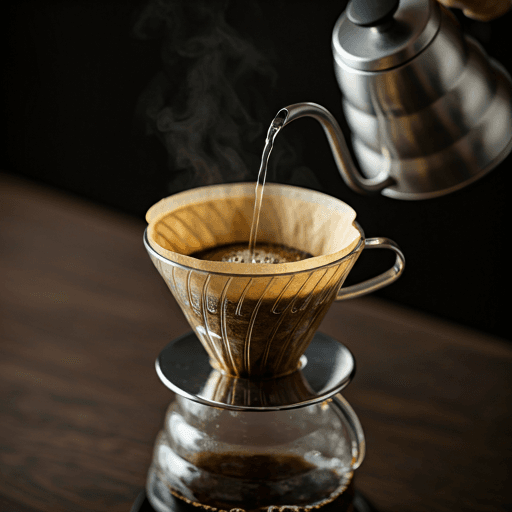
The quickest way to settle iced macchiato vs macchiato is to notice how much milk lands in the cup. A traditional (hot) macchiato is a small, espresso-forward shot "stained" with just a dab of steamed milk or foam. The popular iced macchiato served at big coffee chains is a much larger, milkier cold drink: cold milk poured over ice with espresso added on top so it "marks" the milk. Same Italian word, two very different glasses, and that gap trips people up constantly.
Below we walk through the short answer, the layered build, the milk amount, temperature and serving, taste and strength, caffeine, dilution, and which one to reach for. For the full standalone definition of the classic drink, see what is a macchiato, and for where the cold version fits among cold coffees, see what is iced coffee.
Iced macchiato vs macchiato: the short answer
A classic macchiato is espresso marked with a little milk. The cafe iced macchiato is a big, layered iced milk drink with the espresso poured on top. That is the whole story in one line, and almost every other difference (size, taste, texture, how it looks) flows from it.
The word "macchiato" comes from Italy and means "stained" or "spotted." Traditionally it described a shot of espresso with a single spot of milk, just enough to soften the edge without turning it into a milk drink. When large chains built a cold, sweet, glass-filling drink and kept the name, the label stayed but the recipe changed direction entirely. So when you ask whether an iced macchiato is the same as a macchiato, the honest answer is: they share a name and a shot of espresso, and not much else.
Because the definitions matter here, we keep this page focused on the contrast and defer the deep dives to their owners. The standalone macchiato definition and the wider cold-coffee family each get their own full explainer, so on this page we stay on the head-to-head between the two glasses.
The layered build: where the difference is visible
The clearest way to see iced macchiato vs hot macchiato is to watch each one being made. A traditional espresso macchiato is pulled as a shot, then a small dab of milk or a spoon of foam is dropped on top. It is tiny, it is dark, and the milk is a spot, not a pour.
The iced macchiato is built in the opposite order and at a completely different scale. Cold milk and ice go into a tall glass first, then the espresso is poured over the top. Because the espresso is warmer and less dense than cold milk, it streaks down through the glass in dark ribbons before settling. That layered look, dark coffee marbling into pale milk, is a signature of the drink and is genuinely part of the experience. The espresso literally "marks" the milk, which is a nod back to the original meaning of the word even though the proportions are flipped. Give it a stir and it blends into a uniform tan, much like an iced latte.
Milk amount: the biggest real difference
If you only remember one thing, remember the milk. A traditional macchiato uses a dab, maybe a teaspoon or two, so the drink stays espresso-forward. The iced macchiato uses a full glass of milk, often several times more than the espresso itself. That single change is what turns one drink into a strong little sipper and the other into a long, milky refresher.
This is also why a stirred iced macchiato sits so close to an iced latte. Both are mostly milk with a shot or two of espresso and ice. The main distinction is the build order and the layered presentation, which we cover more in iced macchiato vs iced latte. For the hot milk-drink cousin, see macchiato vs latte.
Temperature and serving
The serving vessels tell the story at a glance. A traditional macchiato arrives warm in a tiny cup, often a demitasse, meant to be finished in a few sips while it is hot. The iced macchiato arrives cold in a tall glass over ice, meant to be sipped slowly through a straw as the ice keeps it chilled.
That difference in format changes when people order each one. The small warm cup suits a quick espresso moment; the tall cold glass suits a longer, lingering drink, especially in warm weather. It is the difference between a shot you knock back and a beverage you carry around.
Taste and strength
Taste follows the milk. The traditional macchiato is small and espresso-forward: bold, concentrated, a little bitter, with just a whisper of milk to round it off. You taste the coffee first and last.
The iced macchiato is milder, sweeter and milkier, closer to an iced latte than to a shot of espresso. With so much cold milk in the glass, the coffee reads as a flavor layered through a creamy base rather than the main event, and many chain versions add vanilla or another syrup that pushes it sweeter still. These are general tendencies, not fixed rules, since recipes vary from cafe to cafe and barista to barista, so treat the taste notes as a guide rather than a guarantee.
Caffeine: it tracks the shots, not the size
Here is a point that surprises people: the bigger glass does not necessarily mean more caffeine. Both drinks are built on one or two shots of espresso, so the caffeine tracks the number of shots, not the size of the cup. A single-shot iced macchiato and a single-shot hot macchiato carry broadly similar caffeine, even though one looks tiny and the other looks large.
Exact caffeine depends on the beans, the roast, the grind, the shot volume and how many shots a given cafe uses, so any number is an estimate rather than a promise. If caffeine intake matters to you, ask how many shots go into your drink and check with your own healthcare provider about what suits you. Responses vary from person to person, and this is general information, not medical advice.
Dilution: the melting-ice factor
The iced version has one variable the hot version does not: melting ice. As the ice softens, it thins the drink, so an iced macchiato that starts fairly strong will taste lighter and more watery toward the end of the glass. That is normal, and it is one reason the drink leans mild and easygoing overall. A traditional hot macchiato has no ice to dilute it, so it stays concentrated from the first sip to the last, which is a big part of why it reads so much stronger.
Iced macchiato vs macchiato at a glance
| Feature | Traditional macchiato | Iced macchiato |
|---|---|---|
| What it is | Espresso "stained" with a dab of milk | A big layered iced milk drink with espresso on top |
| Milk amount | A dab, a teaspoon or two | A full glass of cold milk |
| Temperature and ice | Warm, small cup, no ice | Cold, tall glass, over ice |
| Taste and strength | Small, bold, espresso-forward | Milder, sweeter, milkier, closer to an iced latte |
| Best for | A quick, strong espresso moment | A long, milky, refreshing cold coffee |
Which to choose and when
Pick based on what you actually want in the glass. If you want a short, strong hit of coffee where the espresso leads and milk just softens the edge, order the traditional macchiato. It is the choice for an espresso lover who wants intensity in a couple of sips.
If you want a long, cool, milky drink you can nurse for a while, order the iced macchiato. It is gentler, sweeter and far more milk-forward, which makes it a friendly option for people who find straight espresso too sharp or who simply want something refreshing on a warm afternoon. Neither is more "correct" than the other; they are built for different moods.
Relation to cousins
The big iced macchiato sits right next to an iced latte on the menu, and once you stir it, the family resemblance is obvious: mostly milk, a shot or two of espresso, plenty of ice. The layered build and presentation are the main things setting them apart. On the hot side, the traditional macchiato sits at the strong, milk-light end of the espresso spectrum, the opposite pole from a latte.
Put it all together and the split is simple: a tiny strong stained shot versus a big layered iced milk coffee. Once you know which one the name is pointing at in a given cafe, you will never be caught out by the difference between an iced macchiato and a macchiato again.