
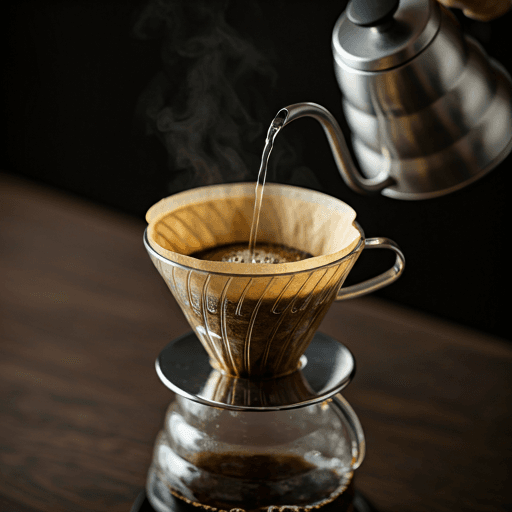
If you are weighing aeropress vs cold brew, the quickest way to see the difference is by time and scale. An AeroPress is a fast, hands-on brewer that steeps grounds and then presses them through a paper filter to give you a single strong, smooth cup in about a minute using hot water. Cold brew is the opposite: a slow, hands-off method that steeps coffee grounds in cold water for 12 to 24 hours to make a large batch of low-acid concentrate. In short, the split is fast-and-single-cup versus slow-and-batch.
The short answer on aeropress vs cold brew
Reach for an AeroPress when you want one good cup right now and you enjoy having your hands on the process. You add grounds and hot water, stir, wait for a short steep, then push the plunger down through a filter. The whole thing takes a minute or two, and the device is compact enough to throw in a bag and travel with.
Reach for cold brew when you want to make coffee ahead of time and barely lift a finger. You combine coarse grounds with cold water, leave the jar in the fridge overnight or longer, then strain out the grounds. What you get is a mellow concentrate that you keep on hand and dilute over several days. We will keep the step-by-step light here, because each method has its own deep dive: see the AeroPress guide for the press technique and what is cold brew coffee for the long steep.
How each one works
The AeroPress is an immersion-and-press brewer. Ground coffee sits in a cylindrical chamber with hot water, you stir so everything is saturated, and after a short steep you press a plunger that forces the brew through a thin paper filter into your cup. The paper traps most of the oils and the fine sediment, which is a big reason the cup tastes so clean. Because you control the grind, water temperature, steep time and press speed, it is one of the most tweakable manual brewers around, and small changes make a real difference in the cup.
Cold brew skips heat entirely. Coarse grounds soak in room-temperature or cold water for many hours, usually 12 to 24, so extraction happens slowly through time rather than through heat. When the steep is done you strain through a filter, a fine mesh or a cloth, and set aside the resulting concentrate. If you want the full routine, the how to make cold brew coffee walkthrough covers ratios and straining in detail.
Time and effort
This is the clearest difference between AeroPress and cold brew. An AeroPress cup is immediate: from scooping grounds to sipping is often under three minutes, cleanup included, since you just pop the puck of spent grounds into the bin and rinse the parts. The trade-off is that it is a here-and-now, active brew. You make one cup, then you make another if someone else wants coffee too.
Cold brew flips that around. The hands-on time is tiny, maybe five minutes to combine grounds and water and another few to strain, but you have to plan ahead by 12 to 24 hours. The reward is batch convenience: one steep can fill a jar that lasts several days in the fridge, so the effort is front-loaded and then coffee is simply ready whenever you are.
Flavor and acidity
Flavor is where personal taste matters most, so treat these as tendencies rather than rules. An AeroPress tends to make a clean cup that you can steer from bright to smooth depending on your grind and how hot the water is. Cooler water and a faster press lean mellow; hotter water and a longer steep pull out more brightness and body. The paper filter keeps the whole thing tasting tidy, without much sediment.
Cold brew tends to taste mellow, rounded and slightly sweet, with noticeably lower perceived acidity, because the cold, slow extraction pulls fewer of the sharp, bright compounds that hot water draws out quickly. Many people find it gentler and less sour, which is part of its appeal in iced drinks. That said, results vary a lot with the beans, grind and steep length, so your own jar may taste brighter or flatter than someone else's, and it is worth adjusting to your palate.
Strength and dilution
Both methods can behave like a concentrate, which surprises a lot of people. With an AeroPress you can brew a small, intense amount of coffee using a tight coffee-to-water ratio, then top it up with hot water to taste, much like pulling a strong base and lengthening it. That flexibility is why the same device can make a punchy short cup or a longer, milder mug.
Cold brew is a concentrate by design. Straight from the jar it is usually too strong to drink neat, so you cut it with water, milk or ice, often around one part concentrate to one part water, adjusting to taste. Because you dilute only at serving time, one batch stretches a long way. If you like the idea of a strong pressed shot instead, the AeroPress vs espresso comparison looks at how close a press can get to true espresso.
AeroPress vs cold brew at a glance
| Feature | AeroPress | Cold brew |
|---|---|---|
| Brew time | About 1 to 2 minutes | About 12 to 24 hours of steeping |
| Water temp | Hot (or cold for a longer steep) | Cold or room temperature |
| Batch size | Single cup | Large batch of concentrate |
| Body & acidity | Clean, bright-to-smooth, tweakable | Mellow, sweet, low perceived acidity |
| Best for | A fast cup, control, travel | Make-ahead iced coffee, batches |
Can an AeroPress make cold brew or iced coffee?
Yes, and this is a handy overlap between the two. You can run a longer cold steep right in the AeroPress chamber: use cold water instead of hot, let it sit far longer than a normal press, then plunge as usual for a small-batch, cold-brewed cup. It will not fill a pitcher the way a big jar does, but it works well when you want a single chilled cup with less acidity.
The other route is to brew hot and pour over ice. Press a strong AeroPress cup straight onto a glass full of ice so it chills instantly without watering down too much, a style sometimes called flash or Japanese iced coffee. It keeps more of the bright, aromatic character that a long cold steep tends to mute, so it makes a nice contrast to classic cold brew when you want something lively and cold.
Which should you choose, and when?
Pick an AeroPress if you want a single fast cup, you love dialing in variables, or you need something small and durable for travel and the office. It rewards hands-on brewers and gives you a fresh cup on demand without any wait, so it suits mornings when you only need one or two servings.
Pick cold brew if you want a fridge batch you can pour all week, you prefer a smooth, low-acid profile, or you drink a lot of iced coffee. It rewards planners who would rather do a little work once than brew fresh every single morning. Plenty of coffee drinkers simply keep both in rotation: an AeroPress for the morning cup and a jar of cold brew ready for easy iced drinks later in the day.
A quick note on caffeine and comfort: cold brew concentrate can taste smooth while still being quite strong, so how much caffeine ends up in your glass depends heavily on how much you dilute it. Caffeine amounts vary with the beans, ratio and serving size, and responses vary from person to person, so if caffeine or acidity bothers you, ease in slowly and check with your own healthcare provider. This is general information, not medical advice.