
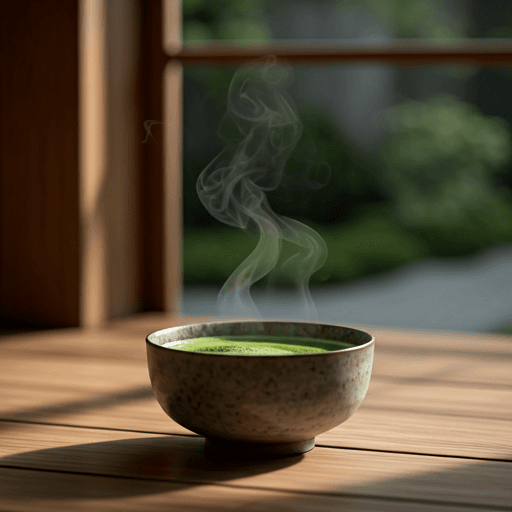
If you want to know how to make pandan tea, the short answer is simple: simmer or steep the long green leaves of the pandan plant (Pandanus amaryllifolius, also called screwpine) in hot water until the liquid turns pale gold-green and the kitchen fills with pandan's soft, sweet, grassy-vanilla aroma. You can drink it hot, chill it over ice, or sweeten it lightly. That is the whole idea, and the rest is detail.
Below is a full pandan tea recipe using fresh, frozen, or dried leaves, plus a lemongrass version, an iced coconut twist, and a few notes on storing leaves. If you are new to leaf infusions in general, the how-to on brewing herbal tea covers the underlying technique, and what herbal tea is explains why a caffeine-free infusion like this counts as a tisane rather than true tea.
What pandan tea is (and that signature scent)
Pandan tea is a warm or iced infusion made from the leaves of the screwpine, a tropical plant grown across much of Southeast Asia. Screwpine tea has almost no bitterness and only the faintest grassy edge. What people notice first is the aroma: soft, sweet, and vanilla-like, with a coconut-adjacent roundness that has made pandan a kitchen staple from Thailand to the Philippines to Malaysia and Indonesia. Cooks there tie the leaves into knots and drop them into rice, coconut desserts, and syrups the way other kitchens reach for a vanilla pod.
As a drink, pandan leaf tea is pale and calming rather than punchy. The color lands somewhere between jade and gold depending on how long you simmer, and the flavor is gently sweet even before you add anything. That is the appeal — it tastes a little like dessert without actually being sweet, which is why it chills so well and mixes so happily with coconut.
Which leaves to use: fresh, frozen, or dried
You have three practical options, and all of them work.
Fresh pandan leaves give the brightest, most fragrant cup. Look for long, blade-shaped, deep-green leaves, often sold in bundles at Asian grocers. Fresh leaves carry the most volatile aroma, so they reward a little bruising — more on that below.
Frozen leaves are the everyday hero for most people outside the tropics. They are usually sold pre-cut and freeze extremely well, keeping most of their scent for months. Use them straight from the freezer; there is no need to thaw first.
Dried leaves or pandan powder are the most shelf-stable but the mildest. Dried screwpine tea steeps more like a conventional tisane, and powder disperses into the water for a stronger color. Both are handy when fresh leaves are hard to find.
Whichever you choose, the trick with fresh or frozen leaves is to release the aroma before it hits the water. Bruise and knot them: run the back of a knife along each leaf, then tie it into a loose knot. The bruising breaks the cell walls and lets the fragrance out; the knot simply keeps the long leaves tidy in the pot.
Ingredients and amounts
- 2 to 3 fresh or frozen pandan leaves (or about 1 to 2 teaspoons dried leaf, or 1/2 teaspoon pandan powder)
- 500 ml (about 2 cups) water
- Optional: a thin coin or two of fresh ginger
- Optional: 1 stalk lemongrass, bruised, for a citrus lift
- Optional: sweetener to taste — a little honey, sugar, or palm sugar
- Optional: a splash of coconut milk or coconut water to serve
This makes two small cups. Scale the leaves and water together; the ratio matters more than the exact numbers, so a rounder pot of tea just needs proportionally more of each.
How to make pandan tea, step by step
- Rinse the leaves. Give fresh or frozen leaves a quick rinse under cool water to remove any grit.
- Bruise and knot (fresh or frozen). Lightly crush each leaf with the flat of a knife, then tie it into a loose knot so it fits the pot and releases more aroma.
- Bring water to a gentle simmer. Heat 500 ml water in a small pot until it is just simmering, not at a hard rolling boil.
- Add the pandan. Drop in the knotted leaves (and the ginger or lemongrass, if using). Simmer gently for 5 to 10 minutes. The water will turn pale gold-green and smell sweet and grassy.
- For dried leaf or powder, steep instead. Pour just-off-the-boil water over dried leaves and cover for 5 to 7 minutes; whisk powder into hot water until it is evenly colored.
- Strain. Lift out the leaves and pour through a small strainer into cups or a jug.
- Sweeten and serve. Add sweetener to taste while the tea is warm so it dissolves cleanly. Drink it hot, or cool it and pour over ice.
Longer simmering deepens both color and flavor but can flatten the top-note fragrance, so taste as you go. If you want a precise handle on timing across different leaf forms, the guide to how long to steep tea is a useful companion.
Here is a quick reference for the three leaf forms:
| Leaf form | Prep | Note |
|---|---|---|
| Fresh | Rinse, bruise, knot; simmer 5-10 min | Brightest aroma; best color and fragrance |
| Frozen | Use from frozen; bruise, knot; simmer 5-10 min | Nearly as good as fresh; the most convenient |
| Dried / powder | Steep dried 5-7 min; whisk powder into hot water | Mildest and most shelf-stable; powder gives deep color |
Two easy variations
Pandan-lemongrass. Add one bruised lemongrass stalk to the pot with the pandan for a bright, citrusy lift that suits both hot and iced serving. Lemongrass and pandan are natural partners; if you want to lean into that side, the lemongrass tea how-to shows how to prep the stalk and get the most from it.
Iced pandan coconut. Brew the pandan a touch stronger (closer to 10 minutes, or an extra leaf), sweeten lightly with palm sugar while it is warm, then chill. Serve over plenty of ice with a splash of coconut milk or coconut water. The coconut echoes pandan's natural roundness and turns the cup into something close to a dessert in a glass.
Storing pandan leaves
Fresh leaves keep in the refrigerator for a few days wrapped loosely in a damp cloth or a perforated bag, but their fragrance fades quickly. For anything longer, freeze them: rinse, pat dry, cut into shorter lengths if you like, and seal in a freezer bag. Frozen, they hold their scent for months and go straight into the pot. Dried leaves and powder belong in an airtight jar away from light and heat, where they stay usable for a long time. Brewed pandan tea is best fresh but keeps a day or two chilled and covered.
Is pandan tea safe to drink?
Pandan is used widely as a food flavoring and is generally treated as safe in normal culinary amounts, which is roughly what a cup of pandan tea delivers. People enjoy it as a soothing, caffeine-free drink, though any comfort or calming effect is subjective and responses vary — this is not medical advice. Keep expectations light: pandan tea is a pleasant infusion, not a remedy, so there is no need to load a cup with claims it cannot carry.
If you are pregnant or breastfeeding, or you take regular medication, and you plan to drink pandan tea often rather than occasionally, it is sensible to check with your own healthcare provider first. Use the leaf of the screwpine plant, which is the culinary part people cook with; there is no need to forage or use unfamiliar plant parts. And as with any home infusion, if a batch smells off or has been sitting too long, throw it out — when in doubt, start a fresh pot.