
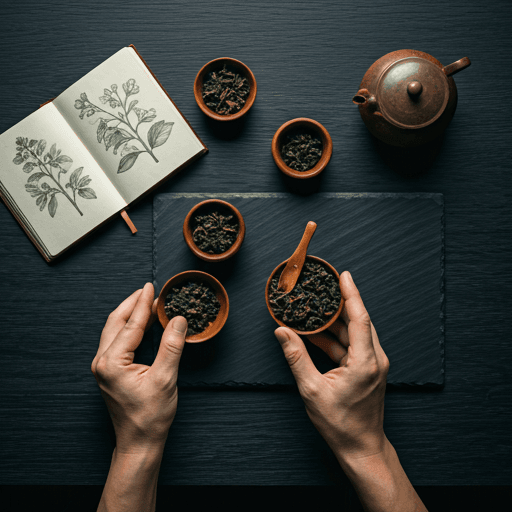
To brew herbal tea, bring fresh water to a full rolling boil (about 100 C / 212 F), pour it over a generous amount of the herb — roughly a heaped teaspoon of loose herb, or one to two tea bags, per cup — then cover and let it steep for a good while, around 5 to 10 minutes or more. Herbal teas are tisanes, not true tea, which makes them wonderfully forgiving: they enjoy hotter water than delicate green tea, and they won't turn bitter the way tannic black tea does, so a longer steep simply makes them stronger and more aromatic.
That is the entire method in one breath. Below we break it into clear steps, add a quick temperature-and-time table, and cover roots, berries, blends, and an iced version. For the deeper story of what actually counts as a tisane, see what herbal tea is; and if you want to brew true leaf tea instead, our loose-leaf tea guide covers the gentler temperatures those leaves prefer.
How to brew herbal tea, step by step
Learning how to make herbal tea takes minutes, and once you have the rhythm you can improvise with almost any dried flower, leaf, or root. Here is the reliable sequence.
Step 1 — Boil the water fully
Start with fresh, cold water and bring it to a full boil. Herbal infusions are not fragile the way green and white teas are, so there is no need to let the kettle cool. Boiling water (roughly 100 C / 212 F) pulls the most flavor and aroma out of chamomile flowers, peppermint leaves, rooibos, hibiscus, and ginger. Freshly drawn water also holds more dissolved oxygen, which keeps the cup tasting lively.
Step 2 — Measure generously
Dried herbs are light and fluffy, so a teaspoon of them weighs far less than a teaspoon of dense tea leaves. Be generous: use a heaped teaspoon of loose herb per cup, or one to two bags. Big, airy petals and whole leaves — think chamomile, lemongrass, or lemon balm — may need even more to fill the cup with flavor. When in doubt, add a little extra; you can always dilute a strong brew, but a thin one is disappointing.
Step 3 — Steep long and keep it covered
This is where brewing herbal tea differs most from regular tea. Pour the boiling water over the herb, then cover the cup or pot with a lid or small saucer and let it steep for 5 to 10 minutes — sometimes longer. Covering matters: many of the calming, fragrant compounds in herbs are volatile aromatic oils that would otherwise drift off in the steam. Because tisanes have little to none of the tannin that makes true tea astringent, a long steep will not make them bitter. It just makes them stronger, so let time do the work.
Step 4 — Give roots, berries, and bark more time
Delicate flowers and leaves give up their flavor quickly, but dense ingredients need coaxing. Roots and bark such as ginger, licorice, and cinnamon, along with berries and seeds like rosehip, hibiscus, and fennel, reward a longer steep — 8 to 10 minutes or more. For the most intense result, simmer them gently on the stove for a few minutes (a method sometimes called a decoction) before straining. A slice of fresh ginger, for instance, gives up much more warmth to a simmer than to a quick soak.
Step 5 — Strain and finish to taste
If you used loose herb, pour the tea through a fine strainer or lift out your infuser. Now finish it however you like: a spoon of honey, a squeeze of lemon, or a few fresh mint leaves all suit herbal cups. Rooibos is one of the few tisanes that takes a splash of milk gracefully, much like a black tea. Taste before you sweeten — a long, generous steep is often flavorful enough on its own.
Step 6 — Re-steep or blend
Many herbs have a second cup in them. Sturdy leaves, roots, and rooibos will give a lighter but still pleasant re-steep; just add a couple of extra minutes the second time. Blending is half the fun, too — pair chamomile with a little lavender for the evening, or peppermint with lemongrass for a bright daytime cup. If you enjoy mixing your own, our overview of how to make tea covers the wider brewing basics that carry over.
Step 7 — Make it iced
For iced herbal tea, brew it noticeably stronger than usual — use extra herb or a longer steep — then pour the hot concentrate over a full glass of ice. The melting ice dilutes the brew, so starting strong keeps the flavor from washing out. Hibiscus, peppermint, and fruit blends make especially refreshing iced cups, with or without a wedge of citrus.
Matching the method to the herb
Once the basic routine is second nature, small adjustments make each herb shine. Chamomile and lavender are gentle and floral, so they forgive a five-minute steep and are lovely before bed. Peppermint and spearmint are brisk and cooling, and a covered steep keeps their menthol aroma in the cup rather than in the air. Rooibos, the red bush tea from South Africa, is naturally sweet and low in tannin, so it can steep almost indefinitely and still take milk well. Hibiscus brews a tart, ruby-red cup that loves a touch of honey. Ginger, whether fresh slices or dried pieces, wants heat and time, so a simmer brings out its warmth. The thread tying them together is simple: hot water, a generous hand, and patience.
Herbal tea steep time and temperature table
Use this as a quick reference for how to steep herbal tea by ingredient type. Every one of these likes fully boiling water; the main variable is time.
| Herb type | Water temperature | Steep time |
|---|---|---|
| Flowers (chamomile, lavender, hibiscus petals) | Full boil, ~100 C / 212 F | 5-7 minutes |
| Leaves (peppermint, lemongrass, lemon balm) | Full boil, ~100 C / 212 F | 5-7 minutes |
| Rooibos | Full boil, ~100 C / 212 F | 5-10 minutes (takes milk nicely) |
| Roots and bark (ginger, licorice, cinnamon) | Full boil or gentle simmer | 8-10+ minutes, or simmer |
| Berries and seeds (rosehip, hibiscus, fennel) | Full boil, ~100 C / 212 F | 8-10+ minutes |
| Blends and tea bags | Full boil, ~100 C / 212 F | 5-8 minutes |
Treat these herbal tea steep time ranges as a starting point rather than a rule. Longer always means stronger, never harsher, so adjust to your own taste and steep again if the first try is too mild.
A light note on herbs and health
One of the nicest things about tisanes is that they are naturally caffeine-free, which is why chamomile and peppermint are such popular evening drinks — you can read more in our guide to caffeine-free tea. Beyond that, keep any wellness expectations gentle. Herbs have been enjoyed for comfort and ritual for centuries, but responses vary from person to person, and this is not medical advice. If you are pregnant or nursing, managing a health condition, taking medication, or prone to plant allergies such as ragweed (which can cross-react with chamomile), check with your doctor before making any herb a daily habit.
The takeaway
Herbal tea is the most relaxed brew in the kitchen: boil the water all the way, be generous with the herb, cover the cup, and let it steep far longer than you would a true tea. Flowers and leaves are ready in a few minutes; roots and berries reward patience or a gentle simmer. Strain, sweeten if you like, and re-steep when the mood strikes. There is very little you can get wrong, which is exactly why a good tisane is such an easy pleasure to make your own.