
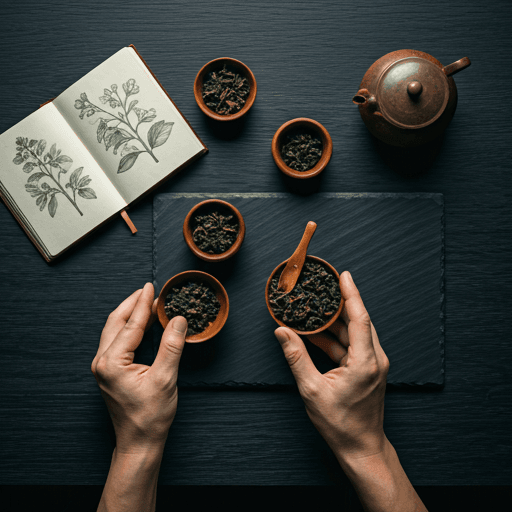
Learning how to make lemongrass tea is simple: steep chopped fresh lemongrass stalks — or about a tablespoon of dried lemongrass, or a single tea bag — in just-boiled water for roughly 5 to 10 minutes, then strain. Because lemongrass tea is a caffeine-free herbal tisane, you can steep it long and hot without it turning harsh, which gives you a bright, citrusy, gently soothing cup nearly every time. Below is the short version, followed by clear steps and a form-by-form guide so you can brew it from fresh stalks, dried leaf, or bags with equal confidence.
What You Need to Make Lemongrass Tea
Lemongrass (Cymbopogon) is a tall, fragrant grass with a lemony, faintly gingery aroma. It is not a true tea leaf from Camellia sinensis, so a pure cup is a herbal infusion rather than green or black tea. If you want the background on what that means, see our guide to what herbal tea is and the wider walkthrough on how to brew herbal tea. For this recipe you only need three things:
- Lemongrass — 2 to 3 fresh stalks, or about 1 tablespoon of dried lemongrass, or one tea bag per roughly 2 cups (500 ml) of water.
- Fresh, just-boiled water — enough for the number of cups you want.
- A strainer, pot, or infuser — a small saucepan is handy if you plan to simmer fresh stalks.
Optional extras for finishing the cup: honey, a slice of fresh ginger, a squeeze of lemon, or a few mint leaves.
How to Make Lemongrass Tea, Step by Step
This lemongrass tea recipe works for a single mug or a small pot. Scale the lemongrass up or down with the water and keep the ratio roughly the same.
1. Choose your lemongrass
Pick whichever form you have. Fresh stalks give the fullest, most aromatic cup; dried lemongrass is convenient and keeps for months; a tea bag is the fastest route. As a starting point, use 2 to 3 fresh stalks, about 1 tablespoon of dried lemongrass, or one bag for every 2 cups of water.
2. Prep fresh stalks
If you are working with fresh lemongrass, trim off the dry tops and the very base of the root end. Peel away any tough, papery outer layers. Then bruise or smash the tender lower part of the stalk with the flat of a knife or the back of a spoon and slice it into short pieces. Bruising and slicing break open the cells so the fragrant oils release into the water — this is the single biggest difference between a pale, thin cup and a vivid one when you brew lemongrass tea from fresh stalks.
3. Boil the water
Bring your water to a full, rolling boil (about 100 C / 212 F). Unlike delicate green teas that scorch above 80 C, lemongrass is forgiving and actually likes fully boiling water, which pulls more flavor from the grass.
4. Simmer or steep
You have two options. To simply steep, pour the just-boiled water over your lemongrass, cover, and let it sit for 5 to 10 minutes — longer makes it stronger. To draw out even more flavor from fresh stalks, gently simmer them in the water for 5 minutes or so, then turn off the heat and let them rest a few more minutes. Covering the pot keeps the aromatic oils from escaping as steam.
5. Strain
Pour the tea through a strainer or lift out the bag or infuser. Fresh and dried lemongrass leave woody bits behind, so a fine strainer gives you the cleanest cup.
6. Flavor it (optional)
Lemongrass takes add-ins beautifully. Stir in honey while the tea is hot, drop in a slice of fresh ginger during the steep for warmth, add a squeeze of lemon for extra brightness, or float a few mint leaves. A ginger-and-honey version is a classic; a lemon-and-mint version is especially lovely over ice.
7. Serve hot or iced
Drink it hot straight away, or make a stronger batch, let it cool, and pour it over plenty of ice for a refreshing iced lemongrass tea. For iced, brew it a little stronger than usual so the melting ice does not water it down.
Lemongrass Form, Amount, and Steep Time
Use this quick reference to match the form of lemongrass you have to the right amount and steeping time. Quantities are per about 2 cups (500 ml) of water.
| Lemongrass form | Amount (per ~2 cups) | Water temp | Steep or simmer time | Notes |
|---|---|---|---|---|
| Fresh stalks (steeped) | 2–3 stalks, bruised and sliced | Full boil (~100 C) | Steep 7–10 min, covered | Most aromatic; bruise well to release oils |
| Fresh stalks (simmered) | 2–3 stalks, bruised and sliced | Full boil, then low simmer | Simmer ~5 min, then rest 3–5 min | Draws out the deepest flavor |
| Dried lemongrass (loose) | ~1 tablespoon | Full boil (~100 C) | Steep 5–8 min, covered | Convenient and long-keeping |
| Lemongrass tea bag | 1 bag | Full boil (~100 C) | Steep 5 min | Fastest option; add a slice of ginger to lift it |
Fresh vs Dried Lemongrass
Both make a good cup, so it comes down to what you have and the flavor you want. Fresh stalks give a rounder, greener, more perfumed cup and are ideal when you want lemongrass to be the star or plan to simmer it. Dried lemongrass is more concentrated by volume, stores for months in an airtight jar, and steeps a touch faster — a spoonful goes a long way. A tea bag sits between the two for convenience: reliable and quick, if a little milder. Whichever you choose, the method is the same: hot water, a cover, a few minutes, and a strain.
How to Steep Lemongrass Tea Stronger
Because there is no caffeine or heavy tannin to turn bitter, lemongrass is one of the easiest herbal cups to strengthen. To make a bolder brew, do one or more of the following: use more lemongrass rather than less water, bruise fresh stalks more thoroughly, simmer instead of just steeping, or extend the steep past 10 minutes. Knowing how to steep lemongrass tea to your taste is mostly a matter of leaning on time and quantity rather than temperature. If it ever tastes too grassy or sharp for you, dial it back or soften it with honey.
Can You Re-Steep Lemongrass Tea?
Yes, though with fading results. Fresh stalks and loose dried lemongrass hold enough flavor for a lighter second infusion — just add fresh boiling water and steep a little longer than the first round to coax out what remains. A used tea bag can technically go again but usually gives only a pale cup. For the fullest flavor, most people brew a fresh batch. Since lemongrass carries no caffeine, there is no stimulant reason to re-steep the way some people do with green tea; you can read more about which teas do and do not in our note on whether tea contains caffeine.
A Light Note on Lemongrass Tea and Wellness
Many people find lemongrass tea refreshing and soothing, and reach for it as a warm, calorie-free, caffeine-free drink to wind down with. We are keeping this to the cup rather than the claims here — for more on the plant and how people enjoy it, see our overview of lemongrass tea benefits. Responses vary from person to person, and none of this is medical advice. If you are pregnant, breastfeeding, or taking medication, it is worth checking with your own doctor before making lemongrass tea a daily habit.
The real appeal of lemongrass tea is how little it asks of you. There is no timer to fear, no scorching point to avoid, and no wrong way to flavor it — just fragrant grass, hot water, and a few unhurried minutes. Brew a strong pot on a cold evening, chill a citrusy jug for a warm afternoon, and let the method bend to your mood rather than the other way around.