
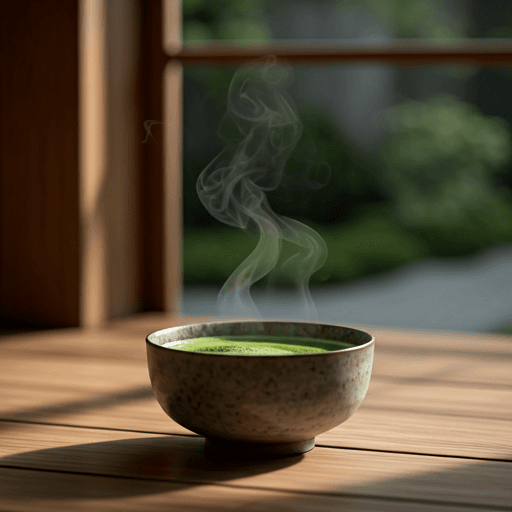
Lemongrass tea is a caffeine-free herbal infusion made from the stalks and leaves of Cymbopogon citratus, prized for its bright, lemony aroma carried on a gentle, ginger-like warmth. Because it is not brewed from the true tea plant, it contains no caffeine, and it has long been sipped after meals or in the evening for digestion and calm. Here is what the evidence does and does not say, how the drink tastes, how to brew it well, and who should be careful before making it a habit.
What lemongrass tea is and how it tastes
Lemongrass is a tall, fibrous tropical grass grown across Southeast Asia, Africa, and South America, and it is a backbone of Thai, Vietnamese, and many African and Caribbean kitchens. The tea is simply the fresh or dried plant steeped in hot water. You will sometimes see it written as two words, "lemon grass," but the botanical name and most tea labels use the single word "lemongrass." It belongs to the broad family of caffeine-free plant infusions, so if you are new to the category it helps to first understand what herbal tea is and how these tisanes differ from black or green tea.
In the cup, lemongrass tea is pale gold to greenish and smells intensely of fresh lemon zest, thanks to a compound called citral that the plant shares with lemon peel. The flavor is citrusy and clean rather than sour, with a soft, warming edge that some drinkers describe as faintly ginger-like or grassy. It takes well to honey, a squeeze of lemon, or a slice of fresh ginger, and it is just as pleasant iced as hot.
The possible benefits of lemongrass tea
Lemongrass has a long history in traditional medicine, and modern lab work has started to look at why. That said, most of the research is early, done in test tubes or animals, or based on concentrated extracts rather than a mug of tea. Treat the points below as promising and traditionally supported, not as proven medical effects. If you are managing a specific condition, talk to a doctor or pharmacist rather than relying on any tea.
Digestion and after-meal comfort
The most enduring use of lemongrass tea is as a post-meal digestive. It is traditionally sipped to ease bloating, gas, and a heavy, over-full feeling, and laboratory studies suggest lemongrass compounds may help relax the smooth muscle of the gut. Human evidence is still limited, so think of it as a soothing ritual that may help rather than a treatment. For a fuller look at drinks people reach for in this situation, see our guide to herbal tea for bloating, and note that lemongrass overlaps with the warming, settling reputation of ginger tea, which is why the two are often blended.
Calm and winding down
Because it is naturally caffeine-free and gently aromatic, lemongrass tea fits neatly into an evening routine. Any calming effect is largely down to the warm-drink ritual and the absence of caffeine rather than a strong sedative action, and claims that it works like a sleep aid go beyond the current evidence. If a bedtime cup is your goal, it is worth comparing options in our roundup of the best herbal teas for sleep, where herbs studied more specifically for relaxation are covered.
An antioxidant source
Lemongrass contains plant compounds, including citral, chlorogenic acid, and various flavonoids, that behave as antioxidants in laboratory tests, meaning they can help neutralize reactive molecules called free radicals. This is a genuine feature of the plant, but the amount delivered by a single cup is modest, and no drink is a substitute for a varied diet rich in fruit and vegetables. It is a nice bonus of an enjoyable, sugar-free beverage rather than a reason on its own to drink it.
Benefits and caveats at a glance
| Possible benefit | What it means in practice | The honest caveat |
|---|---|---|
| Digestive comfort | Traditionally sipped after meals for bloating and a full feeling; may relax gut muscle | Mostly traditional use plus early lab research; human trials are limited |
| Calm, caffeine-free ritual | Warm, aromatic, and caffeine-free, so it suits an evening wind-down | Effect is gentle and ritual-based; not a proven sleep or anxiety treatment |
| Antioxidant compounds | Contains citral, chlorogenic acid, and flavonoids that act as antioxidants | Amount per cup is modest; overall diet matters far more |
| Flavorful hydration | A tasty, sugar-free way to drink more fluids through the day | Watch added sweeteners; very large daily amounts may not suit everyone |
How to brew lemongrass tea
Lemongrass tea is forgiving, and you can make it from fresh stalks, dried leaves, or a tea bag. Fresh stalks give the brightest, most fragrant cup; dried lemongrass is more convenient and keeps well.
- From a fresh stalk: Trim off the dry tip and tough base of one stalk, peel away the outer layer, then bruise and slice it or bend it into a knot to release the oils. Steep in about a cup (roughly 240 ml) of just-off-the-boil water for 5 to 10 minutes, then strain. One stalk makes one generous mug; use two for a bolder brew.
- From dried lemongrass or a tea bag: Use about 1 to 2 teaspoons of dried leaves, or one tea bag, per cup. Pour over freshly boiled water and steep 5 to 7 minutes. Dried leaf can take slightly hotter water and longer steeping than delicate green teas.
- Iced: Brew it stronger, using an extra stalk or teaspoon, let it cool, then pour over ice. It makes a crisp, lemony iced tea that needs little or no sweetener.
To customize, add a few slices of fresh ginger while it steeps for extra warmth, a curl of lemon peel for lift, or a little honey once the cup has cooled slightly. Lemongrass also blends beautifully with green tea, mint, or ginger, so it is a flexible base for your own combinations. Steep times and strength are a matter of taste, so adjust to what you enjoy.
Who should be cautious with lemongrass tea
For most healthy adults, lemongrass tea in normal, food-and-drink amounts is generally considered well tolerated. A few groups should be more careful, and it is always sensible to check with a doctor or pharmacist if you are unsure or take regular medication.
- Pregnancy and breastfeeding: Guidance is cautious here. Some sources advise avoiding concentrated lemongrass, such as strong teas or supplements, during pregnancy because certain compounds have been linked in some studies to uterine stimulation, though evidence is mixed and a few small studies found no harm at low intake. Because the picture is unsettled, anyone pregnant or breastfeeding should ask their healthcare provider before drinking it regularly.
- Allergies: People allergic to grasses or to lemongrass itself can react, occasionally with rash, itching, or breathing symptoms. Stop and seek advice if you notice a reaction.
- Blood sugar and blood pressure: Lemongrass may have mild effects on blood sugar in some research, so anyone taking diabetes medication should monitor and consult their doctor to avoid it dropping too low.
- Kidney concerns and medication interactions: If you have kidney disease, are undergoing treatment such as chemotherapy, or take prescription medicines, check with a pharmacist, since herbal infusions can occasionally interact.
- Large amounts: Very heavy daily intake has been linked to side effects such as dizziness, dry mouth, or increased urination in some reports. Moderation is the simplest safeguard.
None of this is a reason for most people to avoid a cup; it is simply about being sensible with a plant that is more concentrated than it looks.
The bottom line on lemongrass tea
Lemongrass tea earns its place on the shelf on flavor alone: bright, citrusy, caffeine-free, and endlessly adaptable hot or iced. Its traditional roles in digestion and evening calm are appealing and plausible, and the plant genuinely carries antioxidant compounds, but the strongest, honest verdict today is that it is a lovely everyday infusion with promising, still-emerging evidence behind the health talk. Brew it the way you like it, keep the cautions in mind, and enjoy it as one more pleasure in a well-stocked tea cupboard.