
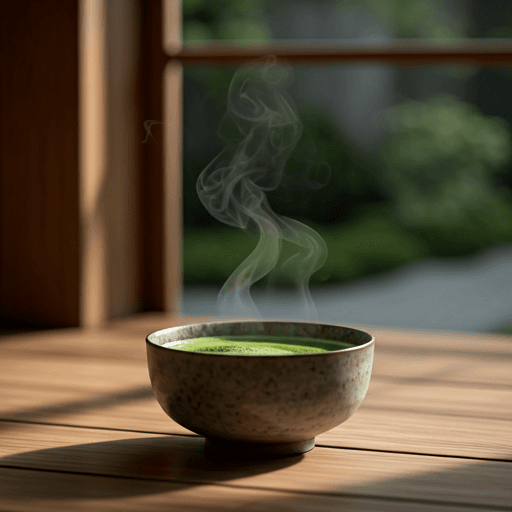
Reaching for a warm cup of herbal tea for bloating is one of the oldest and gentlest ways to ease a heavy, gassy stomach, and a handful of caffeine-free classics do most of the work: peppermint, ginger, fennel, chamomile and dandelion. They may help because warm fluid plus certain plant compounds are traditionally associated with relaxing the gut, easing trapped gas and supporting digestion after a meal.
None of this is medical advice. The evidence behind most of these teas is small, mixed, or based on long tradition rather than large trials, so treat them as a comforting thing to try rather than a cure. Bloating that is persistent, severe, or comes with other symptoms deserves a proper look from a healthcare professional, and we cover those warning signs below.
Why herbal tea for bloating may help
Two things are working at once in a warm mug. The first is simply the warm liquid: heat is soothing to the digestive tract and can help things keep moving, which is part of why a hot infusion often feels better than a cold drink when your stomach is tight and uncomfortable. The second is the plants themselves.
Many of the herbs used for a bloated stomach are what herbalists call carminatives — plants traditionally associated with easing gas and relaxing the muscles of the digestive tract so trapped air can pass instead of building up. Peppermint, fennel and ginger are the best-known examples. Others, like chamomile and lemon balm, work more on the calming side: stress and tension can slow digestion for some people, and a relaxing ritual can indirectly help a nervous stomach settle. If you are new to the category, our overview of what herbal tea is explains why these caffeine-free infusions are technically tisanes rather than true tea.
It is worth being honest about the evidence. Most of the research that exists looked at concentrated extracts or oil capsules rather than a brewed cup, and study sizes are often small. So the fair way to read every claim here is "may help some people," not "guaranteed to work."
The best teas for bloating and gas
Here are the classic herbal teas that reduce bloating in traditional use, what each is associated with, and the practical thing to know about it. Any of them can be a good starting point for a bloated stomach; the best tea for bloating is really the one that agrees with you.
Peppermint
Peppermint is the most-cited tea for bloating and gas. The menthol in peppermint is an antispasmodic, meaning it is associated with relaxing the smooth muscle of the gut so cramping eases and gas moves through rather than getting trapped. It has the strongest research behind it of this group, although most of that research used peppermint oil capsules (often studied for irritable bowel syndrome) rather than tea. The one important caution: because peppermint relaxes the ring of muscle at the top of the stomach, it can worsen acid reflux or heartburn for some people. If reflux is your issue, choose a different herb. For the mint family in general, see our guide to peppermint vs spearmint tea.
Ginger
Ginger is a warming root traditionally used to support digestion and settle the stomach. It is associated with helping the stomach empty a little faster and food move along the digestive tract, which can mean less gas builds up. It is also the best-supported herb for nausea. Ginger has a spicy kick, so go lighter if you are sensitive to heat. We cover this one in depth in ginger tea for digestion and stomach.
Fennel
Fennel seed tea is a classic after-dinner digestive across many cultures, with a sweet, mild licorice flavor. The seeds contain aromatic oils (chiefly anethole) traditionally associated with relaxing the digestive muscles and easing gas, which is exactly why fennel seeds are so often handed out as a mouth-freshener and digestive aid after meals. Read more in fennel tea benefits.
Chamomile
Chamomile is best known as a calming, before-bed tea, and that is part of its appeal for a tense, uncomfortable stomach. It is traditionally associated with soothing, anti-spasmodic properties, and its relaxing effect may indirectly help when stress is part of the picture. Chamomile is a daisy-family flower, so it is one to be careful with if you have a ragweed or daisy allergy.
Dandelion
Dandelion is a milder, more traditional option, used as a gentle digestive bitter and a mild natural diuretic — which is why it often appears in "de-bloat" blends aimed at water retention rather than gas specifically. The evidence is largely traditional. Like chamomile, dandelion is in the daisy and ragweed family, and its diuretic effect means anyone on water pills or blood-pressure medication should check with a doctor first.
| Tea | Traditionally may help with | Good to know |
|---|---|---|
| Peppermint | Gas, cramping, a tight stomach (antispasmodic) | Best-studied of the group; may worsen acid reflux for some. |
| Ginger | Sluggish digestion, nausea, trapped gas | Warming and spicy; also the go-to for queasiness. |
| Fennel | Gas and post-meal bloating (carminative) | Sweet, licorice-like; a classic after-dinner seed tea. |
| Chamomile | A tense or stressed stomach; general soothing | Calming; avoid if allergic to ragweed or daisies. |
| Dandelion | Water-retention bloat; gentle digestion | Mild diuretic; check with a doctor if on BP or diuretic meds. |
How to use tea for a bloated stomach
The practical routine is simple, and a few small habits make a real difference.
- Sip it warm, after eating. A warm, unsweetened cup roughly 20 to 30 minutes after a meal is the traditional way to use these teas, letting the warmth and the herbs work while digestion is underway.
- Steep it properly. For most herbal teas, use just-off-the-boil water and steep covered for about 5 to 10 minutes; seeds like fennel benefit from lightly crushing and a slightly longer steep to release their oils.
- Keep it plain. Skip the sugar. Added sugar, and for some people milk, can undo the point when you are trying to feel less heavy. A slice of lemon or a few slices of fresh ginger is a better lift.
- Start with one cup. Try a single cup of a new tea and see how your stomach responds before making it a daily habit, since everyone reacts a little differently.
Beyond the cup, the usual gentle habits help too: eating slowly, not gulping fizzy drinks, and a short walk after a big meal all encourage trapped gas to move along.
Cautions and who should be careful
These teas are food-level gentle for most healthy adults, but a few points genuinely matter:
- Reflux and peppermint. If you get heartburn or acid reflux, peppermint may make it worse; reach for ginger, fennel or chamomile instead.
- Allergies. Chamomile and dandelion are in the daisy and ragweed family, so approach them cautiously if you have hay fever or a related plant allergy.
- Pregnancy and breastfeeding. Some herbs are traditionally limited during pregnancy, especially in strong or medicinal amounts. If you are pregnant, trying to conceive, or nursing, check with a professional before drinking herbal teas regularly.
- Medication and conditions. Dandelion's diuretic effect and ginger's mild interaction with blood thinners are examples of why anyone on regular medication should ask a pharmacist or doctor first.
- Keep amounts sensible. A cup or two a day is very different from concentrated supplements. More is not automatically better, and very strong brews can upset some stomachs.
When to see a doctor
Herbal tea is for everyday, mild bloating — the heavy feeling after a big or gassy meal. It is not a treatment for an underlying problem. See a healthcare professional if your bloating is persistent (regularly lasting weeks), severe, or getting worse, or if it comes with any of these: ongoing abdominal pain, unexplained weight loss, a change in your bowel habits, blood in the stool, difficulty swallowing, repeated vomiting, fever, or a hard or swollen abdomen. These can point to something that needs proper diagnosis, and no tea is a substitute for that.
The takeaway
A warm, unsweetened cup of peppermint, ginger, fennel, chamomile or dandelion is a low-risk, comforting thing to try when you feel bloated, and traditional use plus a little research suggest each may help ease gas and settle the stomach for some people. Keep your expectations honest, respect the reflux, allergy and pregnancy cautions, and pay attention to how your own body responds. If you enjoy this corner of the tea world, explore the individual herbs in more depth and build a small rotation you can reach for when your stomach needs a hand.