
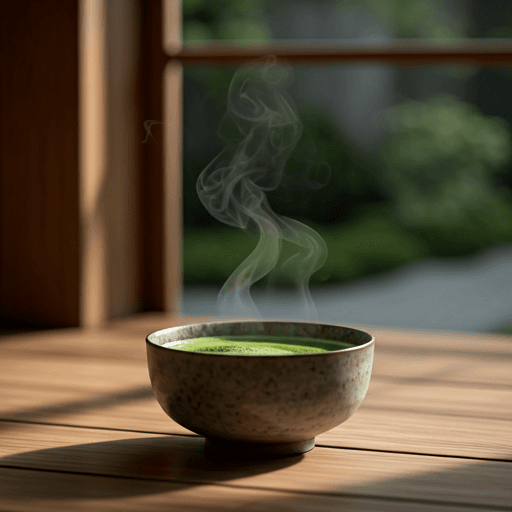
Ginger tea for digestion is one of the oldest home comforts there is: a simple infusion of fresh or dried ginger root that people around the world sip to settle an upset stomach, ease bloating and gas, and take the edge off mild indigestion. It is warming, caffeine-free, and easy to make. It is best known and best supported for calming nausea, and many people also reach for it when they simply feel queasy, heavy, or over-full after a meal.
To be clear up front: ginger tea is a traditional home drink, not a medicine. It may bring comfort, but it is not a treatment for any medical condition, and it will not fix an underlying problem. Think of it as a gentle, pleasant thing to try, alongside sensible eating and rest, not a cure.
Why people use ginger tea for digestion
Ginger root contains natural compounds called gingerols and shogaols. These are the same aromatic compounds that give ginger its sharp, warming bite, and they are what most of the research on ginger and the gut focuses on. In studies, ginger is associated with helping the stomach empty a little faster (a process called gastric emptying) and with gently encouraging the muscular movement that pushes food along the digestive tract. When that movement is sluggish, food and gas can sit and cause that heavy, bloated, uncomfortable feeling.
Gingerols and shogaols are also thought to have a soothing, anti-nausea effect by acting on signals in the gut and the brain. That is why ginger's strongest evidence sits with nausea rather than with, say, bloating. For everyday digestive complaints the picture is more mixed: some trials show a measurable improvement in indigestion and gas, others show only a small effect. The honest summary is that ginger tea may help many people feel more comfortable, especially with functional indigestion (discomfort with no identifiable medical cause), but the size of the benefit varies from person to person.
What ginger tea for an upset stomach may ease
People reach for ginger tea for upset stomach relief across a whole range of everyday complaints. Here is an honest, general look at what it is traditionally used for and how much support each use has. None of this is a diagnosis or a treatment plan.
| Digestive complaint | How ginger tea traditionally helps | Good to know |
|---|---|---|
| Nausea and queasiness | Gingerols and shogaols are thought to calm nausea signals; this is ginger's best-supported use | Ginger's most researched digestive use; sip slowly at the first sign of queasiness |
| Bloating and gas | May encourage the stomach to empty and food to move along, so less gas builds up | Some studies show a clear benefit, others only a small one |
| Sluggish digestion after a heavy meal | Warmth plus gingerols may gently support gastric motility | Sip slowly rather than gulping a large mug at once |
| Mild stomach cramps and general upset | Traditionally used to soothe and warm a griping, unsettled belly | Ease off if strong ginger makes things worse |
| Feeling over-full or "heavy" | A warm, unsweetened cup can feel settling before or after eating | Not a substitute for eating smaller, calmer meals |
For occasional stomach ache and unsettled digestion, ginger tea for stomach ache relief is a low-risk thing to try. Some people also find ginger tea for stomach cramps comforting because it is warm and mildly soothing, though it is not a painkiller and should not be relied on for significant or recurring pain. If you are looking to ginger tea for stomach pain that is sharp, persistent, or getting worse, that is a signal to stop self-treating and speak to a professional rather than reaching for another cup.
How to make ginger tea for digestion
The method is simple, and fresh ginger tends to have the brightest, most pungent flavor. For a deeper walkthrough see our guide to ginger tea from fresh ginger, but here is the everyday version:
- Peel and thinly slice or grate about 1 to 2 inches (roughly 15 to 30 g) of fresh ginger root. More ginger means a stronger, spicier brew.
- Add it to around 2 cups (about 480 ml) of water in a small pot.
- Simmer gently for 5 to 10 minutes. A longer simmer gives a stronger, hotter-tasting tea; a shorter steep is milder and easier on a delicate stomach.
- Strain into a mug. Add a squeeze of lemon and a little honey if you like, both of which round off ginger's heat.
- Sip slowly while warm, before or after a meal.
No fresh root on hand? A ginger tea bag or a little dried ground ginger works too; dried ginger is more concentrated, so use less. Whichever form you choose, start mild. It is easy to add more ginger next time, and a very strong cup is more likely to bother a sensitive stomach. A note on honey: do not give it to infants under 1 year old, as it can carry a small risk of infant botulism.
Simple tips for sipping
- Drink it warm and slowly rather than very hot or in one go.
- Keep it lightly sweetened or unsweetened; heaps of sugar can add to that heavy feeling.
- Try a cup after a rich or large meal, when digestion feels sluggish.
- Notice how you respond. If ginger consistently makes you feel worse, it is fine to stop.
Cautions: when ginger tea is not the answer
Ginger tea is gentle for most people in normal, culinary amounts, but a few cautions matter, and they are easy to miss:
- Reflux and heartburn. This is the big one. Strong or large amounts of ginger can trigger heartburn or worsen acid reflux for some people, which is the opposite of the relief they were hoping for. If that is you, keep it mild or read our guide on ginger tea for acid reflux and heartburn before drinking more.
- Medications. Ginger may interact with blood thinners and some other medicines. If you take regular medication, check with a pharmacist or doctor before drinking ginger tea often.
- Pregnancy. Small culinary amounts are traditionally used, but it is best to keep quantities modest and check with a healthcare professional about what is right for you.
- Big, concentrated doses. More is not better. Very strong ginger can cause mild stomach discomfort, a burning feeling, or loose stools in some people.
See a doctor for stomach symptoms that are persistent, severe, or worsening, and for any warning signs such as blood in vomit or stool, unexplained weight loss, difficulty swallowing, a high fever, or severe pain. Ginger tea is for everyday comfort, not for symptoms like these.
Where ginger tea fits in your routine
Used sensibly, ginger tea for digestion is a warming, caffeine-free habit that suits most people. Keep the brew on the milder side, notice how your own stomach responds, and treat it as one small comfort among the basics that genuinely help digestion: smaller and calmer meals, chewing well, staying hydrated, and giving your body time to rest and settle. If you want the wider picture on ginger as a drink, our ginger tea benefits and how to make it guide pulls it all together, from flavor to the everyday ways people enjoy it.