
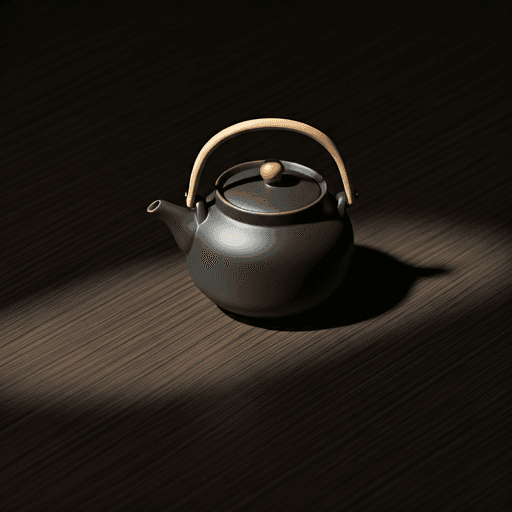
Learning how to make mulberry leaf tea is refreshingly simple: dry young mulberry leaves until crisp, crumble them, then steep about 1 to 2 teaspoons of the dried leaf per cup in water cooled to roughly 80 to 90 C (175 to 195 F) for 3 to 5 minutes, and strain. What you get is a mild, grassy-green cup with a faintly sweet finish, and because it comes from the leaf of the mulberry tree rather than the tea plant, it is naturally caffeine-free.
Below is the whole process, from picking and drying the leaves to steeping a balanced cup hot or iced, plus a light, non-medical note on who should check with a healthcare provider first.
What mulberry leaf tea is
Mulberry leaf tea, sometimes shortened to mulberry tea, is an infusion made from the leaves of the mulberry tree (the Morus genus), not from Camellia sinensis, the plant behind green, black and oolong tea. That makes it a herbal tea, or tisane, in the same family as other single-leaf home brews. If you want the broader background on what a tisane is and how it differs from true tea, that is covered in our guide to what herbal tea is.
Brewing the leaves for a drink has a long history across East Asia, where mulberry-leaf infusions are a traditional caffeine-free cup, known as kuwa-cha in Japan and by similar names in China and Korea. The flavour is soft and green: gently vegetal and hay-like, with a whisper of natural sweetness and almost none of the astringency you get from a brisk green tea. A light pan-roast before brewing nudges it toward a rounder, toastier, roasted-grain character, a bit like a barley or genmai-style cup.
How to harvest and dry mulberry leaves
The best dried mulberry leaf tea starts with clean, tender young leaves. If you have access to a mulberry tree you know has not been sprayed and does not sit beside a busy road, spring and early summer are the ideal windows, when the new growth is soft and bright.
- Pick young leaves. Choose small, tender, undamaged leaves near the branch tips. Skip anything yellowing, holed or dusty.
- Wash and pat dry. Rinse under cool water to remove grit and any insects, then blot with a clean towel.
- Blanch or steam briefly (optional). A 30 to 60 second dip in just-boiled water, or a minute of steaming, sets the green colour and mellows the raw, grassy edge. Cool and pat dry again if you do this.
- Dry until crisp. Spread the leaves in a single layer and dry until they crumble at a touch. Air-drying on a rack in a warm, airy spot takes a few days; a dehydrator at about 40 to 50 C (105 to 120 F) takes a few hours; a low oven with the door cracked works too, watched closely so the leaves do not scorch.
- Crumble. Break the crisp leaves into small flakes with your hands, discarding thick stems. Smaller pieces give up more flavour when they steep.
- Light pan-roast (optional). For a toastier cup, toss the dried flakes in a dry pan over low heat for a couple of minutes, stirring constantly, until they smell nutty and slightly darker. Let them cool before storing.
No tree of your own? Dried mulberry leaf and pre-made mulberry tea bags are widely sold, and they brew exactly the same way as your home-dried leaf.
Ingredients and amounts
The recipe is short, which is part of the appeal. For a single mug you need:
- Dried mulberry leaf — about 1 to 2 teaspoons of crumbled leaf, or roughly 1 to 2 g, per 240 ml (8 oz) cup. Use the higher amount for a fuller cup.
- Fresh mulberry leaf — a small handful of torn young leaves per cup, since fresh leaf is milder by volume than dried.
- Hot water — around 80 to 90 C (175 to 195 F), just off the boil. Mulberry leaf is forgiving, but slightly cooler water keeps the cup smooth rather than grassy.
- Optional add-ins — a slice of lemon, a little honey, or a few mint leaves if you like, though many people drink it plain to enjoy its soft sweetness.
How to make mulberry leaf tea, step by step
Once your leaf is dried and crumbled, the brew itself takes about five minutes. This is the core mulberry leaf tea recipe, whether you are working with home-dried leaf or a shop-bought bag.
- Measure. Add 1 to 2 teaspoons of dried mulberry leaf to a cup, infuser or small teapot. For fresh leaf, use a small handful of torn leaves.
- Heat the water. Bring water to a boil, then let it sit for 30 to 60 seconds to drop to about 80 to 90 C (175 to 195 F).
- Pour and steep. Pour the water over the leaf and steep for 3 to 5 minutes. Three minutes gives a light, delicate cup; five minutes draws out a deeper, sweeter flavour. Push toward 5 to 7 minutes if you want it stronger still.
- Strain. Lift out the infuser or pour through a small strainer so no leaf ends up in your cup.
- Taste and adjust. Sip as is, or add lemon or honey. If it tastes thin, use more leaf next time rather than over-steeping, which can turn any leaf brew flat.
For a deeper look at steeping technique that applies to any leaf or flower, see our walkthrough on how to brew herbal tea. Like other single-leaf tisanes such as moringa or sage, mulberry leaf can be brewed fresh or dried, and it rewards a gentle hand with the water temperature.
Fresh vs dried: prep and steep at a glance
| Leaf form | Prep | Steep |
|---|---|---|
| Fresh leaves | Wash, tear a small handful per cup; optional 30 to 60 sec blanch to mellow | 4 to 6 min at 80 to 90 C (175 to 195 F) |
| Dried leaves | Dry until crisp, crumble; use 1 to 2 tsp per cup | 3 to 5 min at 80 to 90 C (175 to 195 F) |
| Dried and pan-roasted | Dry, then toast 2 min in a dry pan; use 1 to 2 tsp per cup | 3 to 5 min, boiling water is fine for a toastier cup |
Hot vs iced
Served hot, mulberry leaf tea is at its most fragrant, with that soft, green sweetness coming through clearly. For iced, you have two easy routes. Brew a strong hot batch (double the leaf, or steep toward 6 to 7 minutes), then pour it over a glass full of ice so the melt dilutes it to strength. Or make a cold brew by steeping 2 to 3 teaspoons of dried leaf per 500 ml (17 oz) of cold water in the fridge for 6 to 12 hours, then strain; cold brewing gives an especially smooth, naturally sweet glass. A squeeze of lemon and a sprig of mint make it a fine warm-weather drink.
How to store dried mulberry leaf
Once your leaf is fully crisp and cooled, store it in an airtight jar or tin away from light, heat and moisture. Kept dry, home-dried mulberry leaf holds good flavour for several months to about a year, gradually fading rather than spoiling. If the leaf ever smells musty or damp, or you see any spot of mould from moisture sneaking in, do not risk it, throw it out. When in doubt, brew a small test cup first.
A light note on safety
Mulberry leaf is a food-grade leaf that people have sipped as a caffeine-free tea for generations, and for most healthy adults an occasional cup is simply an enjoyable drink. It is traditionally associated with blood sugar in some cultures, but that is a folk association, not a treatment: mulberry leaf tea is not a remedy for diabetes or any other condition, and nothing here should be read as a health claim.
Because of that traditional link, if you take medication for blood sugar or any other condition, or if you are pregnant or breastfeeding, it is worth asking your own healthcare provider before drinking it regularly, especially in large amounts. Use leaf from a mulberry tree you can positively identify and that has not been sprayed, and stick to the leaves rather than experimenting with other parts of the plant. Responses vary from person to person, and this is general information, not medical advice.