
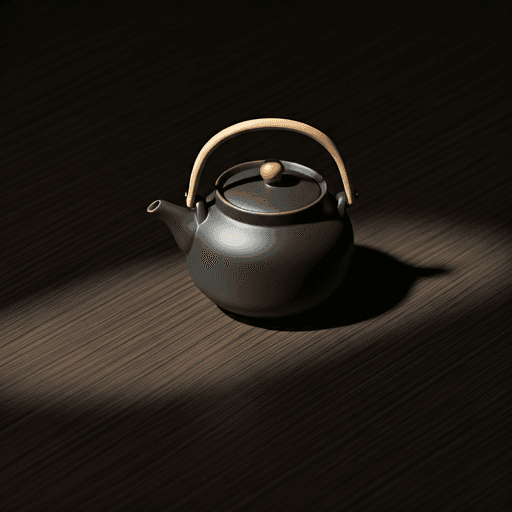
How to make beetroot tea is simpler than its dramatic color suggests. Beetroot tea is a deep ruby-red, caffeine-free, earthy-sweet infusion made by simmering or steeping fresh grated beetroot - or dried beet slices, or a spoon of beetroot powder - in hot water until the liquid turns vivid crimson and takes on beet's sweet, mineral, earthy flavor. Drink it warm or chilled, and brighten it with lemon, ginger, or a little honey. Below is a beetroot tea recipe for each of the three routes, plus a ginger version, an iced version, and notes on stains and storage.
What beetroot tea is
Beetroot tea is not a true tea at all - it contains no leaves from the tea plant and no caffeine. Like chamomile or hibiscus, it is a herbal infusion, or tisane: hot water flavored and colored by something other than tea leaves. In this case that something is the beet, Beta vulgaris, a sturdy root vegetable long cultivated around the Mediterranean and across Central and Northern Europe, where its roots and leaves have flavored soups, pickles, and cordials for centuries. Making a tea from it is a natural extension of that long kitchen history.
The showstopper is the color. Beets are rich in betalain pigments - the same betanin that stains a cutting board - so even a modest amount of beet turns water an intense, almost luminous crimson. The flavor is gently sweet and distinctly earthy, with a clean mineral edge. If you like the taste of roasted beets you will recognize it instantly; if beets are not quite your thing, a squeeze of lemon and a slice of ginger do a lot to lift and balance the cup. For more on how leaf-free infusions work in general, see our guide to what herbal tea is.
Three routes to beetroot tea
There are three practical ways to get beet into your cup, and they suit different kitchens. Fresh grated beet gives the brightest color and sweetest flavor but takes the longest. Dried beet slices are shelf-stable and steep quickly. Beetroot powder tea is the fastest of all - a spoonful stirred into hot water - and is handy when you want a single mug with nothing to strain.
| Route | Prep | Note |
|---|---|---|
| Fresh grated beet | Peel and grate about half a small beet; simmer 10-15 min | Brightest color, sweetest flavor; needs straining |
| Dried beet slices | Steep 1-2 tbsp of slices in just-boiled water for 10 min | Shelf-stable; milder, cleaner flavor |
| Beetroot powder | Whisk 1-2 tsp into hot (not boiling) water | Fastest; no straining, but can taste slightly chalky |
What you'll need
For a pot serving one to two mugs (about 300-500 ml water), gather:
- Beet: about half a small fresh beetroot, peeled and grated (roughly 60-80 g), OR 1-2 tbsp dried beet slices, OR 1-2 tsp beetroot powder.
- Water: 300-500 ml.
- To brighten (optional): a squeeze of lemon or a few thin slices, a coin or two of fresh ginger, and a slice of apple for extra sweetness.
- To sweeten (optional): a little honey or your preferred sweetener, stirred in at the end.
A box grater, or the grating disc of a food processor, makes fast work of fresh beet. A fine strainer or a square of muslin keeps grated bits out of the finished cup.
How to make beetroot tea, step by step
This is the fresh-beet method, which gives the fullest color and flavor. The dried-slice and powder shortcuts follow just below.
- Prep the beet. Peel about half a small beet and grate it, or slice it very thinly. Grating exposes more surface, so the water colors and flavors faster. Beet juice stains, so work on a board you do not mind tinting and rinse your hands and tools soon after.
- Simmer. Add the grated beet to 300-500 ml of water in a small pot. Bring to a gentle simmer and cook, uncovered, for 10-15 minutes. The water will deepen to a vivid crimson as it goes.
- Add aromatics (optional). In the last few minutes, drop in a couple of coins of fresh ginger, a slice of apple, or a strip of lemon peel if you want more lift.
- Strain. Pour the tea through a fine strainer into your mug or a heatproof jug, pressing gently on the solids to draw out the last of the color.
- Brighten and sweeten. Stir in a squeeze of lemon, which makes the red even more vivid, and a little honey if you like. Taste and adjust.
- Serve. Drink it warm, or cool it and pour over ice.
Tip: lemon does two jobs at once - it sharpens the earthy-sweet flavor and shifts the betalain pigment toward an even brighter, more scarlet red.
The dried-slice and powder shortcuts
For dried beet slices, put 1-2 tablespoons in a mug or small teapot, pour over just-boiled water, cover, and steep for about 10 minutes before straining - much like brewing any dried botanical. Our walkthrough on how to brew herbal tea covers the same steep-and-strain rhythm in more detail.
For beetroot powder tea, whisk 1-2 teaspoons of powder into a mug of hot (not fiercely boiling) water until it dissolves, then add lemon or honey to taste. There is nothing to strain, though the cup can taste faintly chalky, so a good squeeze of citrus helps.
Beet-and-ginger version
Ginger and beet are natural partners: the ginger's warmth cuts the beet's earthiness. Use the fresh-beet method and add a generous thumb of sliced fresh ginger at the start of the simmer so it has time to release its heat. Finish with lemon and a touch of honey. This version is especially good warm on a cold evening.
Iced beetroot tea
Beet tea is striking over ice. Brew any of the three routes at slightly higher strength - use a little more beet, or steep a few minutes longer - then cool it fully in the fridge and pour over a tall glass of ice. Add lemon and a splash of apple juice for a bright, ruby cooler. It sits happily alongside other jewel-toned iced infusions like hibiscus tea or pomegranate tea.
Stains, storage, and keeping it fresh
Betalain pigment is generous: it will happily tint cups, spoons, countertops, and fingers. Rinse everything promptly with cold water and the color lifts easily; let it dry on and it lingers. A ceramic mug may hold a faint pink shadow after a strong brew, which usually scrubs out with a little baking soda.
Brewed beetroot tea keeps in a covered jug in the fridge for up to 2-3 days; give it a look and a sniff before drinking, and when in doubt, throw it out. Dried beet slices and beetroot powder keep for months in an airtight jar away from light and heat, and fresh beets last a couple of weeks in the crisper drawer.
Is beetroot tea safe to drink?
Beetroot is an everyday food, and a cup of beet tea is generally a gentle thing to enjoy. One harmless quirk is worth knowing: beets can temporarily turn urine or stool a pink or reddish color, an effect called beeturia. It is not blood, it passes on its own, and it can simply be a surprise the first time it happens.
Beets also contain oxalates, so if you are prone to kidney stones, are pregnant or breastfeeding, or take regular medication and want to drink beet tea often, it is worth a quick word with your own healthcare provider first. Responses vary from person to person, and this is general information rather than medical advice. Enjoy beetroot tea as the pleasant, colorful drink it is, not as a remedy.