
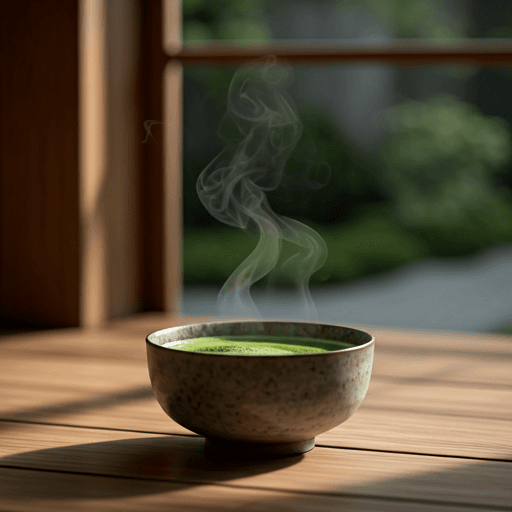
Hibiscus tea is a tart, ruby-red, caffeine-free herbal tea made by steeping dried hibiscus flowers (or petals) in hot water, then sweetening it to taste. To make it hot, steep about 1 to 2 tablespoons of dried hibiscus per cup in near-boiling water for 5 to 10 minutes, strain, and sweeten with honey or sugar. For the iced version, brew it strong, chill it, and pour it over ice. This guide walks through both, with real amounts, temperatures, and times you can adjust to taste.
The drink is naturally very sour and a vivid crimson, so almost every hibiscus tea recipe balances the tartness with a little sweetness and often a squeeze of citrus. It is enjoyed around the world under many names, most famously as the Mexican cooler agua de Jamaica.
What hibiscus tea actually is
Hibiscus tea is an infusion of the dried calyces (the fleshy sepals) of the roselle hibiscus plant, not a true tea from the Camellia sinensis bush. That is why it contains no caffeine and why it counts as an herbal tea rather than a black or green one. If you want the full rundown on choosing, storing, and buying the flowers themselves, see our guide to dried hibiscus flowers for tea. Here we focus purely on the method: how to turn those flowers into a good cup or pitcher.
You can brew with whole dried flowers, loose petals, or ready-made hibiscus tea bags. Loose dried hibiscus tea gives the deepest color and the most control over strength; bags are faster and tidier. The technique is the same either way.
How to make hibiscus tea (hot)
This is the core method for a single mug or a small pot. Scale the ratio up for more servings.
What you need
- 1 to 2 tablespoons dried hibiscus flowers per cup (or 1 tea bag per cup)
- About 8 oz (240 ml) fresh water per cup, heated to near-boiling (roughly 95 to 100 C / 200 to 212 F)
- Sweetener to taste: honey, sugar, or a sugar syrup
- Optional: a slice of lemon or lime, fresh mint, a cinnamon stick, or a few slices of fresh ginger
The steps
- Measure the flowers. Put 1 to 2 tablespoons of dried hibiscus per cup into a teapot, infuser, or heatproof jug. Use the higher amount if you like it bold or plan to add lots of ice later.
- Heat the water. Bring fresh water to a boil, then let it settle for a few seconds. Hibiscus is robust, so near-boiling water is fine here (unlike delicate green tea).
- Pour and steep. Pour the hot water over the flowers and steep for 5 to 10 minutes. Shorter gives a lighter, brighter cup; longer pulls out a tarter, deeper, more concentrated brew.
- Strain. Pour through a strainer or lift out the bag. The liquid should be a clear, glowing red.
- Sweeten and finish. Stir in honey or sugar while it is still warm so it dissolves, then add a squeeze of lemon or a sprig of mint if you like. Taste and adjust.
If the tea ever turns thin or dull, the fix is usually more flowers rather than a longer steep, because over-steeping can push it past pleasantly tart into harsh.
How to make hibiscus iced tea (agua de Jamaica)
Knowing how to make hibiscus iced tea is just the hot method brewed stronger, then chilled. Brewing at extra strength matters because the ice will melt and dilute it. This concentrate-and-dilute approach is the same logic behind classic iced tea, covered in our guide to how to make iced tea. The Mexican version, agua de Jamaica, is traditionally sweetened generously and often brightened with lime.
- Make a concentrate. Use about 1 cup of dried hibiscus flowers per quart (roughly 1 liter) of water, or simply double the flowers you would use for the same volume of hot tea.
- Steep hot. Pour near-boiling water over the flowers and steep 10 to 15 minutes for a strong, dark base.
- Sweeten while warm. Stir in sugar or honey to taste (agua de Jamaica tends to be quite sweet to offset the tartness). Add fresh lime or lemon juice.
- Dilute and chill. Strain, then top up with cold water to reach the strength you want, and refrigerate until cold. Some cooks dilute with an equal part water; taste as you go.
- Serve. Pour over plenty of ice and garnish with lime wheels or mint.
Cold-steep (no-boil) method
For the smoothest, least astringent glass, skip the heat entirely. Put about 1/4 cup of dried hibiscus in a quart jar, fill with cold or room-temperature water, and refrigerate for at least a few hours (or overnight) until it turns bright red. Strain, then sweeten and add citrus. Cold-steeping takes longer but tends to taste rounder and less sharp than a hot brew that has cooled.
Hibiscus tea ratios and steep times at a glance
| How you serve it | Ratio and steep | Note |
|---|---|---|
| Hot, single cup | 1-2 tbsp per 8 oz cup; near-boiling; steep 5-10 min | Sweeten warm; add lemon or mint |
| Iced (agua de Jamaica) | ~1 cup flowers per quart; steep 10-15 min, then dilute | Brew strong so ice melt does not weaken it |
| Cold-steep pitcher | ~1/4 cup flowers per quart cold water; 4-12 hrs in fridge | Smoothest, least tart result |
| From a tea bag | 1 bag per cup; near-boiling; steep 5 min | Fastest option; color is often lighter |
Sweetening, flavor, and troubleshooting
Hibiscus is intentionally tart, so treat sweetener as part of the recipe, not an afterthought. Honey, plain sugar, or a simple syrup all work; syrup blends most evenly into iced tea. A little acid (lemon or lime) actually makes the flavor pop and deepens the red. Popular add-ins include cinnamon, fresh ginger, cloves, orange peel, or a handful of berries.
- Too tart or bitter? You likely steeped too long. Cut the time and add a touch more sweetener; next time use more flowers and less time.
- Too weak or pale? Add more flowers rather than extending the steep, and check that your dried hibiscus is fresh, since older flowers lose potency.
- Cloudy iced tea? Strain well and try the cold-steep method, which stays clearer.
Is hibiscus tea good for you?
Hibiscus tea is caffeine-free and often enjoyed simply for its flavor, color, and antioxidants. Some research has looked at hibiscus and blood pressure, and it is sometimes associated with mild effects, but the evidence is mixed and this is not medical advice; for a fuller, hedged look at what the studies do and do not show, see our guide to hibiscus tea benefits. As a general caution, hibiscus is one of the herbal teas often advised against during pregnancy, and anyone on blood-pressure medication or with a health condition should check with a qualified professional before making it a daily habit.
Making it your own
Once you have the basic hot-and-iced method down, hibiscus becomes a playground: blend it with other petals and dried fruit, spike a pitcher with ginger and lime for a summer cooler, or keep a batch of concentrate in the fridge to mix on demand. Start with the ratios above, taste as you go, and lean on more flowers rather than longer steeps whenever you want it stronger. From there, keep exploring the wider world of caffeine-free herbal tea and find your next favorite.