
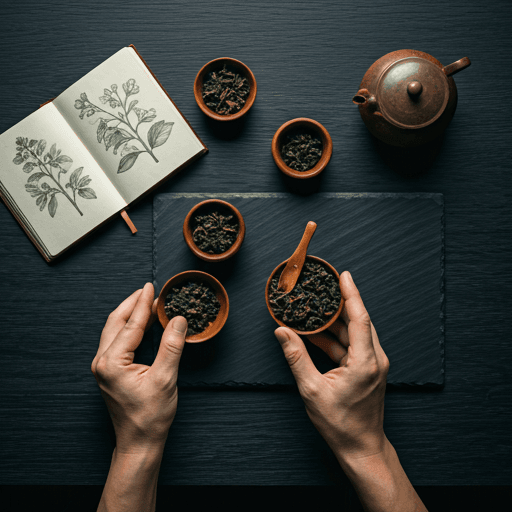
Dried hibiscus flowers make one of the easiest and most striking herbal teas you can brew at home: a deep ruby-red, cranberry-tart infusion that is naturally caffeine-free. To use them, steep about 1 to 2 tablespoons of dried hibiscus flowers per cup in fresh, just-boiled water for 5 to 10 minutes, then strain and sweeten to taste. That is the whole core method. Below is the full how-to, hot, iced, and cold, plus how to buy, store, and get the most out of every batch.
What are dried hibiscus flowers?
What you brew are not the showy garden blooms most people picture. They are the dried calyces of Hibiscus sabdariffa, a plant also called roselle. The calyx is the deep-red, fleshy, cup-like part left behind after the flower itself drops. Dried, these calyces look like crinkled dark-crimson petals and smell faintly of cranberry and red wine.
The same ingredient travels under many names. In Mexico and much of Latin America it is flor de Jamaica, the base of the classic chilled drink agua de Jamaica. In West Africa it appears as bissap or zobo, and in parts of the Middle East as karkade. It is all the same tart red flower. The flavor is bright, sour, and a little berry-like, which is why hibiscus tea is so good cold and sweetened. Using dried hibiscus flowers for tea is refreshingly simple, and this page stays focused on the making.
How to make hibiscus tea with dried hibiscus flowers
The hot method is the fastest way to a cup and the easiest to dial in. Tartness and color both build with time, so a short steep gives a softer, lighter brew and a long steep gives a deep, mouth-puckering one.
- Measure. Use about 1 to 2 tablespoons of dried hibiscus flowers per 8 oz (240 ml) cup, or roughly a handful per liter for a pot or pitcher.
- Heat the water. Bring fresh water to a full boil. Hibiscus, unlike green tea, is happy with water right off the boil.
- Pour and steep. Pour the water over the flowers and steep 5 to 10 minutes. Five minutes is bright and tangy; ten minutes is darker, tarter, and more intense.
- Strain. Pour through a fine strainer or lift out your infuser. The flowers soften a lot, so a mesh strainer keeps stray bits out of the cup.
- Sweeten and brighten. Hibiscus is genuinely sour, so most people add honey, sugar, or another sweetener. A squeeze of citrus, a few coins of fresh ginger, or a cinnamon stick all suit it.
If you steep loose flowers in a teapot rather than an infuser, the same logic applies as with any whole-leaf or whole-flower tea. Our guide to brewing loose leaf tea covers the gear and the strain-it-off-in-time habit that keeps an infusion from turning harsh.
Iced hibiscus tea (agua de Jamaica)
The most famous use for these flowers is chilled. To make agua de Jamaica, brew a strong, concentrated hot batch, sweeten it while warm so the sugar dissolves, then dilute and chill. A common approach: simmer roughly half a cup of dried hibiscus flowers in 4 cups of water for 5 to 10 minutes, strain, stir in sweetener, then top up with cold water and ice to taste. Lime is the classic finishing note.
Because you are diluting over ice, brew this batch stronger than you would a hot cup, then taste and adjust. If you want the wider playbook for chilling any infusion without it going cloudy or watery, see how to make iced tea.
Cold-brew hibiscus tea
Cold brewing is the gentlest method and gives the smoothest, least aggressively tart result. Combine about half a cup of dried hibiscus flowers with 4 cups of cold water in a jar or pitcher, cover, and refrigerate 8 to 12 hours. Strain and sweeten. The slow, cold steep pulls plenty of color and flavor while leaving behind some of the sharp edge you get from boiling water, so the cup tastes rounder. The same low-and-slow principle works across herbs and leaf teas; our cold-brew tea guide walks through timing and strength.
Ratios and timing at a glance
| Method | Dried flowers | Water | Time | Result |
|---|---|---|---|---|
| Hot, single cup | 1-2 tbsp | 8 oz (240 ml), just-boiled | 5-10 min | Bright to deeply tart |
| Hot, pot/pitcher | ~1 handful | 1 liter, just-boiled | 5-10 min | Family-size, tart |
| Iced (agua de Jamaica) | ~1/2 cup | 4 cups, boiled then diluted | 5-10 min simmer, then chill | Strong, sweet-tart refresher |
| Cold brew | ~1/2 cup | 4 cups, cold | 8-12 hrs, refrigerated | Smooth, rounder, less sharp |
Treat these as starting points. More flowers or more time means a darker, tarter, more saturated cup; dial back if your brew turns out too sour.
Dried flowers vs hibiscus powder vs berry hibiscus blends
Whole dried calyces are the most flexible form and the easiest to judge for quality. Hibiscus powder is the same flower ground fine; it dissolves quickly and is handy for smoothies, baking, or coloring, but it is messier to strain and easy to over-concentrate, so use a much smaller amount and taste as you go. Pre-mixed berry hibiscus blends pair the flower with rosehip, dried berries, or other fruit to soften the tartness and add sweetness, which makes a friendlier introduction but gives you less control than brewing plain hibiscus and adjusting it yourself. If you are new to caffeine-free infusions in general, plain whole calyces are the best place to start, since they give you full control over strength, color, and sweetness.
Buying and storing dried hibiscus flowers
Look for whole or large-piece calyces with a deep, dark crimson color. Bright, even red usually signals fresher, livelier flowers; dull, brownish, or heavily crumbled material tends to brew a flatter, less colorful cup. A little dust at the bottom of the bag is normal, but mostly powder when you wanted flowers is a sign of age or rough handling.
Store dried hibiscus flowers the way you would any dried herb: in an airtight container, away from light, heat, and moisture. A sealed jar in a cool, dark cupboard keeps the color and flavor far longer than a clip-top bag on the counter. Kept dry, they hold up for many months.
Sweetening, flavoring, and reusing the flowers
Because hibiscus is naturally sour, sweetening is less optional here than with many teas; start small and add more, since the tartness can hide how much you have already used. Beyond sugar and honey, hibiscus loves company: ginger, cinnamon, cardamom, mint, citrus peel, or a splash of apple or pomegranate juice all play well.
Do not toss the spent flowers right away. They still hold flavor for a second, weaker brew, and the softened calyces can go into jams, syrups, compotes, or be cooked down into a tart sauce. The flowers are edible, so this is a genuinely low-waste tea.
A calm word on hibiscus and health
Hibiscus is a food-and-drink herb enjoyed worldwide, and most people can sip it freely. A couple of general notes are worth knowing, none of them medical advice. Some studies suggest hibiscus may have a mild lowering effect on blood pressure, so if you have low blood pressure or take blood-pressure or other medications, it is sensible to be mindful and check with a professional. Hibiscus is also commonly advised against during pregnancy, particularly in larger amounts, because of possible effects on the body; if you are pregnant or breastfeeding, ask a healthcare professional before making it a daily habit. For most everyday drinkers, a cup of this ruby tea is simply a refreshing, caffeine-free pleasure.
The takeaway
Dried hibiscus flowers reward almost no effort with a vivid, tart, caffeine-free cup you can take hot, iced as flor de Jamaica, or cold-brewed for a smoother finish. Start with the ratios above, sweeten and spice to taste, store the flowers airtight, and reuse what you steep. When you are ready to dig into what the drink offers your body, our hibiscus tea benefits guide picks up where this one leaves off.