
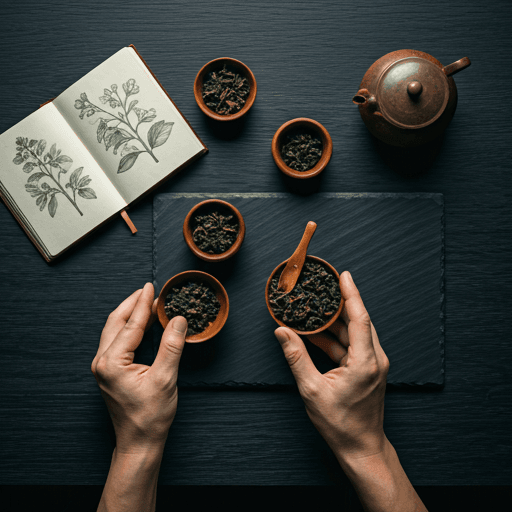
Cold brew tea is tea steeped slowly in cold water instead of hot water, and it is the easiest route to a smoother, naturally sweeter iced cup. Because cold water draws flavour out gently, you get less bitterness and astringency, often a little less caffeine, and a brew that never goes cloudy. Below is exactly how to cold brew tea at home, with steep times for green, black, white, oolong and herbal blends, plus storage and serving tips.
Why cold brew tea tastes smoother
The magic is all about temperature. Hot water has plenty of thermal energy, so it rips through the leaf fast and pulls out everything at once: the sweet, aromatic compounds and the harsh ones. Cold water works slowly and selectively, and that changes the cup completely.
- Fewer tannins, less bitterness. Tannins are large molecules that need heat to dissolve quickly. In cold water much of the tannin and astringency stays locked in the leaf, so cold brewed tea tastes rounder, sweeter and far less puckering.
- Often lower in caffeine. Caffeine also extracts more slowly at low temperatures. A cold brew typically lands meaningfully below the same tea brewed hot, which makes it an easy all-day or evening option for many people.
- Cleaner, naturally sweeter flavour. Cold water reaches the small, water-soluble compounds first, the amino acids and aromatics that make tea smell good and taste sweet, before the bitter notes ever arrive.
- It never turns cloudy. Hot-brewed iced tea can go hazy as it chills, when tannins and caffeine bind together into "tea cream." Skip the heat and the cloud never forms, so cold brew stays crystal clear.
How to cold brew tea, step by step
There is almost nothing to it. No kettle, no thermometer, no babysitting. You just need a clean jar or pitcher, good water and a few hours of patience.
- Measure your tea. Use roughly one teaspoon of loose leaf, or one tea bag, per cup (about 8 oz / 240 ml) of cold water. For a punchier iced strength, nudge it up to a heaped teaspoon or use a touch more leaf, since you will pour it over ice.
- Add cold, filtered water. Pour fresh, cold filtered water straight over the leaf or bags. Filtered or spring water makes a real difference here because there is no heat to mask off-flavours from the tap. Give it one gentle stir.
- Cover and refrigerate. Lid the jar and put it in the fridge. Cold brewing in the fridge is the safe, low-effort method; a room-temperature steep is faster but should be kept short.
- Steep by type. Let it sit according to the tea (see the table below). Green and white teas finish quickest; black, oolong, herbal and fruit blends want longer. If in doubt, taste early and pull it when you like it.
- Strain or lift the bags. Remove the bags or strain the loose leaf off the liquid. Leaving leaf in beyond the steep time slowly drags out tannin and can tip a smooth brew toward bitter.
- Serve over ice. Pour into a glass of ice and finish however you like, plain, with a squeeze of citrus, a few fresh herbs, or a little sweetener stirred in.
Cold brew tea steep times by type
| Tea type | Cold steep time (fridge) | Notes |
|---|---|---|
| Green | 4-8 hours | Very forgiving cold; comes out sweet and grassy with none of the hot-brew bitterness. See green tea benefits. |
| White | 4-8 hours | Delicate and floral; one of the most refreshing cold brews. Use a little more leaf for body. |
| Oolong | 6-10 hours | Cold brewing highlights its honey and floral notes; rolled oolongs may need the longer end. |
| Black | 6-12 hours | Works beautifully and stays smooth; great for a classic clear iced tea base. |
| Herbal / fruit / rooibos | 6-12+ hours | Caffeine-free and very hard to over-steep; longer brews deepen colour and flavour. |
These are starting points, not strict rules. Stronger leaf, colder water and a fuller jar all shift the timing, so taste as you go and adjust the leaf amount or steep length next time.
Which teas shine cold-brewed
Almost any tea can be cold brewed, but some are especially rewarding. Green, white and oolong come alive because cold water spares their delicate sugars and aromatics. Herbal and fruit blends are nearly foolproof, since they have no tannin to turn bitter and no caffeine to worry about. Black tea makes a clean, smooth iced classic. If you are new to loose leaf, our guide to how to brew loose leaf tea covers leaf-to-water basics, and types of tea explained helps you pick a starting tea.
Cold brew tea vs hot-then-chilled iced tea
It is worth being clear about the difference, because they are two different drinks. Traditional iced tea is brewed hot and then poured over ice or chilled, which is fast and gives a bold, brisk cup, but it can come out more astringent and may turn cloudy. Cold brew skips the heat entirely for a smoother, sweeter, clearer result that takes hours instead of minutes. Neither is "better"; they simply suit different moods. If you want the quick hot-brew route, see how to make iced tea.
| Cold brew tea | Hot-brewed iced tea | |
|---|---|---|
| Time | 4-12+ hours | A few minutes plus chilling |
| Flavour | Smooth, sweet, rounded | Bold, brisk, more astringent |
| Caffeine | Often lower | Higher (full hot extraction) |
| Clarity | Stays clear | Can turn cloudy as it cools |
Storage and food safety
Cold brew is unheated, so cleanliness matters. Use fresh water and a clean, sealable jar, keep the tea refrigerated the whole time, and avoid leaving it out at room temperature for long stretches. Drink it within about two to three days for the best flavour and freshness. Sweetened or fruit-laden batches are best finished sooner. If anything smells or tastes off, pour it out.
Easy ways to finish your glass
Plain cold brew is lovely, but it takes well to gentle add-ins. Try a wheel of lemon, lime or orange; a sprig of mint or basil; a few crushed berries; or a small splash of simple syrup or honey stirred in while the brew is still in the pitcher so it dissolves. Because the base is already smooth, you usually need far less sweetener than with hot-brewed iced tea.
The bottom line on cold brew tea
Cold brew tea is one of those rare techniques where doing less gives you more: less bitterness, less fuss, less caffeine, and a clearer, naturally sweeter glass. Set up a jar before bed or before you leave for the day, and a smooth iced cup is waiting for you hours later. Once you have the rhythm, branch out, compare a cold brewed green against a hot-brewed one, or try the same gentle method with a fresh batch of loose leaf. The fridge does all the work.