
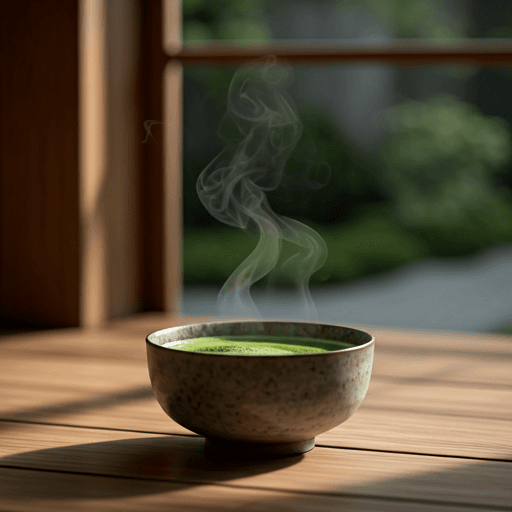
Learning how to make pomegranate tea is easy, and there are really only two routes to a ruby, tart-sweet cup. You can steep dried pomegranate (peel or seeds) or a fruit-and-herbal blend in hot water, or you can brew a plain tea and stir in real pomegranate juice or muddled arils with a little sweetener and a squeeze of lemon. Served steaming in winter or poured over a tall glass of ice, it is a bright, jewel-red refresher either way.
This guide covers what pomegranate tea is, the two routes side by side, the short ingredient list, and step-by-step methods for both an iced and a hot version, plus a pitcher note, garnish ideas, and the light safety points worth knowing before you brew.
What Pomegranate Tea Is
Pomegranate tea is a bright, jewel-red drink built around the tart-sweet flavor of the pomegranate — the ruby arils, their juice, or the dried peel. Depending on how you make it, it can be a caffeine-free fruit infusion or a caffeinated cup, since pomegranate is often paired with a real tea base such as black or green tea. The character is unmistakable: deeply ruby in the glass, sweet up front and pleasantly sour on the finish, with a clean, fruity tang that stays refreshing rather than cloying.
The fruit itself has deep roots across a broad band stretching from Persia (modern Iran) through the Caucasus and Central Asia to the Mediterranean, where it has flavored drinks, syrups, and dishes for thousands of years. Persian, Turkish, and wider Mediterranean kitchens all lean on its sweet-sour brightness, and cultures across East Asia brew their own versions too — Korea, for instance, has a traditional pomegranate tea called seoklyu-cha. That long history is why pomegranate feels equally at home in a hot winter cup and a summer pitcher.
Because pomegranate tea can be a pure fruit tisane or a fruit-plus-tea blend, it sits in the same family as other fruit and botanical infusions. If you want the background on caffeine-free infusions in general, our overview of what herbal tea is covers the basics, so this guide can stay on the pomegranate.
The Two Ways to Make Pomegranate Tea
Almost every pomegranate tea recipe is a variation on one of two ideas, and it helps to know which one you are making before you start.
- Route one — the infusion. You steep or gently simmer dried pomegranate peel or arils (or a ready-made fruit-tea blend that lists pomegranate) in hot water, then strain. This gives a lighter, more delicate cup and is the closest thing to a traditional fruit tisane.
- Route two — the mix. You brew a plain tea base — black, green, or tart hibiscus — let it cool a little, then stir in real pomegranate juice or muddled fresh arils with a touch of sweetener and lemon. This is faster, bolder, and the usual starting point for iced pomegranate tea.
Neither is more correct than the other. The mix route is more forgiving and gives the brightest color, so it is where most people begin; the infusion route rewards a little patience with a subtler, cleaner flavor.
Ingredients for a Pomegranate Tea Recipe
- Pomegranate in some form: about 120-240 ml (roughly 1/2 to 1 cup) of 100% pomegranate juice, the arils from one fresh pomegranate, or 1-2 teaspoons of dried pomegranate peel per cup
- Water, about 250 ml (one mug) per serving, plus a little extra for a stronger base if you plan to serve it iced
- Optional tea base: 1 bag or 1-2 teaspoons of black tea, green tea, or dried hibiscus for depth and, if you like, a caffeine lift
- A sweetener to taste: honey, sugar, or a simple syrup — pomegranate is tart, so a little helps
- A squeeze of fresh lemon and, optionally, a few mint leaves
- Plenty of ice for the cold version, and fresh arils to garnish
That is the whole toolkit. From here it is just a question of hot or iced.
How to Make Pomegranate Tea, Step by Step
Both versions come together in minutes. Start with the iced method if it is warm out, or the hot method for a cozy, winter-spiced cup.
Iced Pomegranate Tea
- Brew a light base. Steep one bag or 1-2 teaspoons of black or green tea in about 250 ml of hot water for 3-4 minutes, then remove the leaves. Keep it on the weaker side, since the pomegranate will carry most of the flavor.
- Cool it down. Let the brewed tea come to room temperature, or speed it up in the refrigerator. Pouring warm tea straight over ice waters it down fast.
- Stir in the pomegranate. Add 120-240 ml of 100% pomegranate juice, or muddle a few tablespoons of fresh arils in the bottom of the glass and pour the tea over them. Taste as you go — more juice means a deeper ruby color and a sharper tang.
- Sweeten and sharpen. Stir in honey or simple syrup to taste, then add a small squeeze of lemon to lift the fruit.
- Serve over lots of ice. Fill a tall glass with ice, pour, and finish with a spoon of fresh arils and a sprig of mint.
For more on chilling, cold-steeping, and keeping iced brews from going cloudy, our guide to how to make iced tea covers the general technique that applies here too.
Hot Pomegranate Tea
- Choose your pomegranate. For an infusion, use 1-2 teaspoons of dried pomegranate peel or a few tablespoons of arils per mug; for a mix, have your juice ready.
- Simmer or steep. For dried peel or arils, bring them to a gentle simmer in about 250 ml of water for 10-15 minutes so the color and flavor release; for a blend, steep it like ordinary tea for 4-5 minutes.
- Strain. Pour through a fine strainer to catch the peel, seeds, or leaves.
- Build the flavor. If you started from a plain tea base, stir in a splash of pomegranate juice now, off the heat, so it stays fresh and bright. A cinnamon stick or a few thin slices of fresh ginger simmered along the way suits the hot version especially well.
- Sweeten and serve. Add honey or sugar to taste and a small squeeze of lemon, then pour into a mug.
The same gentle steep-and-strain rhythm works for most fruit and botanical cups; if you want to apply it more widely, see our general guide to how to brew herbal tea.
| Component | Amount (per serving) | Tip |
|---|---|---|
| Pomegranate juice | 120-240 ml (1/2-1 cup) | Use 100% juice, not a sugary cocktail, and add it off the heat to keep it bright. |
| Fresh arils | 3-4 tablespoons | Muddle lightly to release juice; save a spoonful whole to garnish. |
| Dried pomegranate peel | 1-2 teaspoons | Simmer 10-15 minutes; wash the fruit well before drying your own peel. |
| Tea base (black/green/hibiscus) | 1 bag or 1-2 tsp | Brew on the weaker side so the fruit leads. |
| Sweetener | To taste | Add gradually — pomegranate is tart and it is easy to overshoot. |
Making a Pitcher, and the Garnish
Pomegranate tea scales up beautifully for a crowd. To make a pitcher, brew a larger, lightly stronger batch of tea base, cool it, then stir in pomegranate juice at roughly one part juice to two or three parts tea, adjusting to taste. Sweeten the whole pitcher at once, add lemon, and keep it in the refrigerator until serving; pour it over ice-filled glasses rather than icing the whole pitcher, so it does not dilute as it sits. A pitcher holds its color and flavor well for a day or two chilled.
For the garnish, nothing beats a scatter of fresh pomegranate arils floating on top — they look like little jewels and give a burst of juice when you reach the bottom of the glass. A sprig of mint, a thin wheel of lemon, or a few frozen arils used in place of ice all dress it up further.
Pomegranate Green Tea and Other Base Pairings
The tea base you choose changes the whole drink. Pomegranate green tea is a popular pairing: green tea's grassy, slightly vegetal edge sets off the fruit's sweetness and keeps the cup light, which makes it a favorite for iced versions. Black tea gives a rounder, maltier, more robust backbone that stands up well hot. For a caffeine-free, extra-tart cup with a bold ruby color, brew hibiscus tea as the base — its cranberry-like sourness and pomegranate's tang reinforce each other beautifully. You can also skip the tea leaf entirely and let dried pomegranate peel or juice carry the drink on its own.
Safety and a Few Practical Notes
Pomegranate tea is a food-and-drink pleasure, so keep any wellness talk light: enjoy it as a bright, refreshing cup rather than a remedy. Responses vary from person to person, and this is not medical advice.
There is one genuinely useful thing to know. Pomegranate juice can interact with some medications the same way grapefruit juice can — both may affect an enzyme (CYP3A4) that the body uses to process certain drugs. The everyday evidence is mixed and often modest, but if you take prescription medication, or you are pregnant or breastfeeding, it is worth checking with your own healthcare provider before drinking pomegranate juice regularly.
On the plant itself: the parts you want are the edible arils, their juice, and well-washed peel. The root, bark, and stem of the pomegranate are not for casual home tea, so stick to the fruit. If you dry your own peel, wash the fruit thoroughly first and let the peel dry fully before storing it airtight; if a batch ever smells musty or shows any dampness or mold, throw it out — when in doubt, out it goes.
With a good base, real juice or fresh arils, and a squeeze of lemon, pomegranate tea comes together in minutes and looks as good as it tastes — a bright, ruby, sweet-tart cup that works just as well steaming in winter as it does over a tall glass of ice.