
Knowledge Base
Coffee & Tea Guides
Brew better and explore more — buying guides, how-tos, and explainers for every coffee and tea ritual.
Explainer
How Much Soursop Tea Per Day? A Sensible Daily Guide
There is no single official limit on soursop tea, but because the leaf is potent, many people keep it to about 1 to 2 gentle cups a day. Here is how much soursop tea per day makes sense, plus a light brewing note and when to go easy.
Explainer
How Much Echinacea Tea Per Day? A Simple, Honest Guide
There is no official limit on echinacea tea, but most people sip about 1 to 3 cups a day, often for a short spell. A hedged, non-medical look at daily amounts, caffeine and brewing.
Explainer
How Much Burdock Root Tea Per Day? A Gentle Everyday Range
There is no official cap on burdock root tea, but many people keep it to about 1 to 3 cups a day and start with one. Here is how to find a comfortable amount.
Explainer
How Much Anise Tea Per Day? A Simple Daily Guide
For most healthy adults, about one to three cups of anise tea per day is a comfortable amount - and because a plain anise tisane is caffeine-free, the number stays flexible. A light, non-medical look at a sensible daily amount, the one spiced-blend caveat, and when to have less.
Explainer
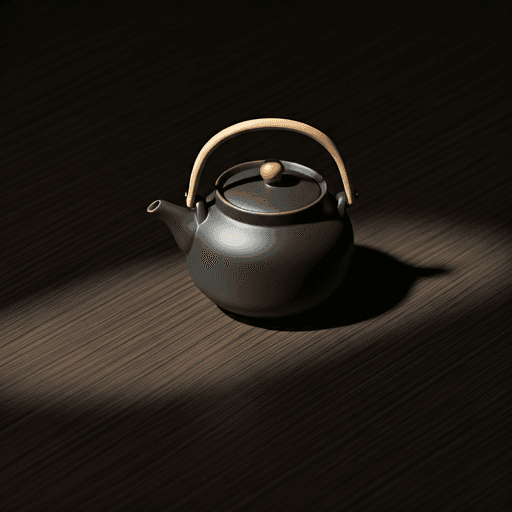
Does Palo Azul Tea Have Caffeine?
Plain palo azul tea is naturally caffeine-free because it is a bark-and-wood herbal infusion, not real tea from Camellia sinensis. Here is why, the one blend caveat, and the famous blue glow.
Explainer
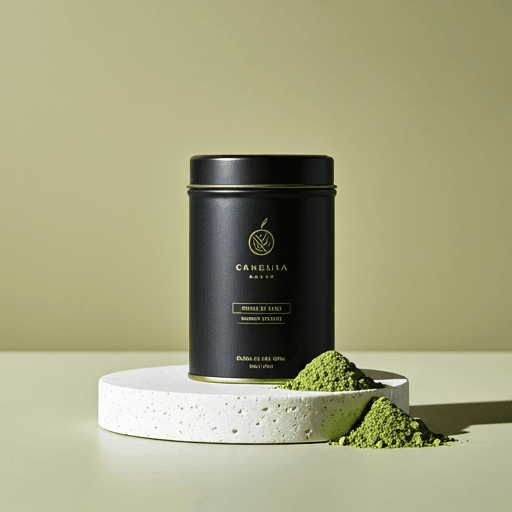
Does Liquorice Tea Have Caffeine?
Plain liquorice tea is naturally caffeine-free because it is a herbal root infusion, not real tea. Here is why, plus the one blend to watch and a gentle note on the root.
Explainer
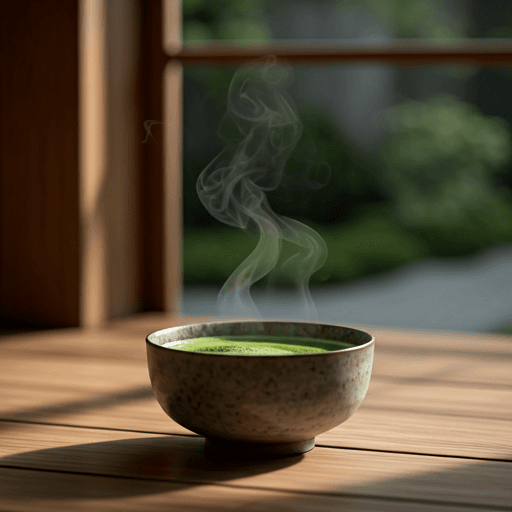
Does Greek Mountain Tea Have Caffeine?
Plain Greek mountain tea is naturally caffeine-free because it is a Sideritis herbal tisane, not real tea. Here is the caffeine answer, the blend caveat, and how it tastes.
Explainer
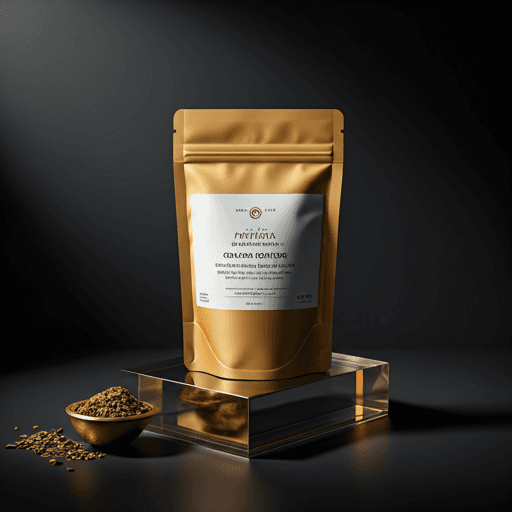
Does Corn Silk Tea Have Caffeine?
Plain corn silk tea is naturally caffeine-free — it is a herbal tisane made from the silky threads of the corn plant, not the caffeinated tea plant. Here is the one blend caveat to watch, a quick caffeine comparison, and what a cup is actually like.
Explainer
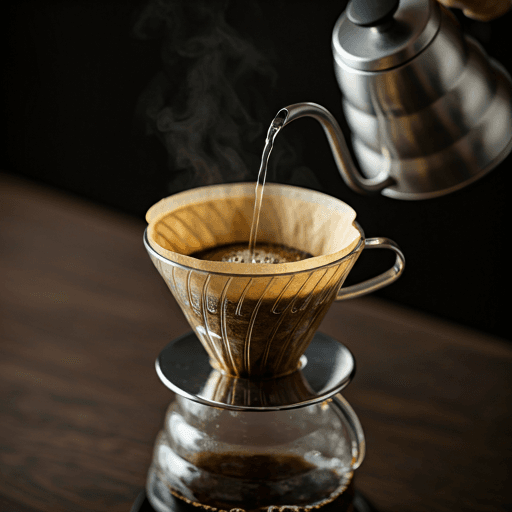
Cold Foam vs Whipped Cream: What's the Difference?
Cold foam is frothed cold milk that pours and melds into your coffee, while whipped cream is sweetened heavy cream that sits on top. Here is how the two differ and when to reach for each.
Explainer
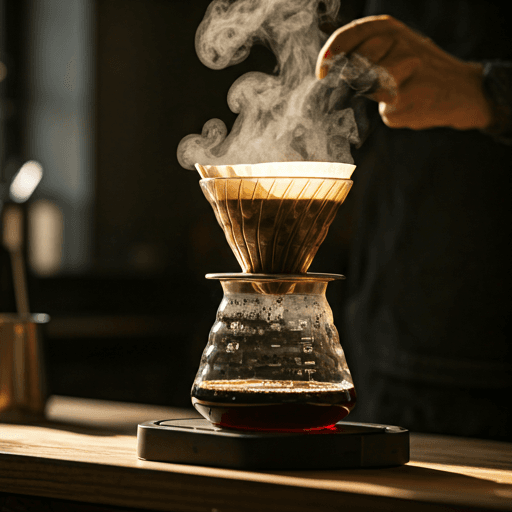
Frappe vs Iced Coffee: What's the Difference?
Iced coffee is brewed coffee cooled over ice; a frappe is shaken or blended until thick and foamy. Here is how frappe vs iced coffee compare on method, texture, sweetness and caffeine, plus which to choose.
Explainer
Cafe au Lait vs Flat White: What's the Difference?
A cafe au lait is brewed coffee with hot milk; a flat white is espresso with microfoam. Here is the real difference, side by side, and which to order when.
Explainer
Spanish Latte vs Cafe con Leche: What's the Difference?
A Spanish latte is sweetened with condensed milk and dessert-like; a cafe con leche is plain equal parts coffee and hot milk. Here is how the two differ and when to choose each.
Explainer
Americano vs Drip Coffee: What's the Difference?
An americano is espresso diluted with hot water; drip coffee is brewed by gravity through a filter. Same black-coffee spirit, two completely different methods and flavors.
Explainer
Cappuccino vs Americano: What's the Difference?
A cappuccino vs americano both begin with a shot of espresso, but one is finished with steamed milk and foam and the other with just hot water. Here is how they differ in taste, texture, milk and caffeine — and which cup to order.
Explainer
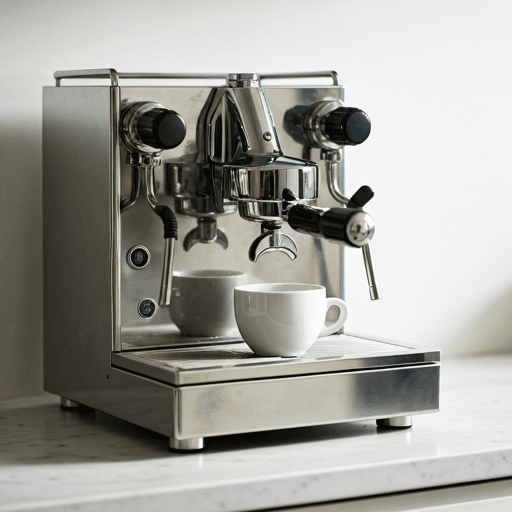
Percolator vs Pour Over: What's the Difference?
A percolator recirculates near-boiling water through the grounds for a bold, robust pot, while pour over makes a single clean pass for a brighter, more controlled cup. Here is how the two differ in mechanism, grind, flavor, and control — and how to choose.
Explainer
AeroPress vs Cold Brew: What's the Difference?
AeroPress or cold brew? One is a fast, hands-on pressed cup in about a minute; the other a slow, hands-off batch of low-acid concentrate. Here is how they compare on time, flavor, strength and iced coffee.
Explainer
Moka Pot vs Pour Over: What's the Difference?
A moka pot uses steam pressure for a strong, concentrated cup; pour over uses gravity through a filter for a cleaner, brighter one. Here is how the two brewers differ and which to pick.
Explainer
French Press vs Cold Brew: What's the Difference?
Both methods steep grounds fully in water, but a french press uses hot water and about four minutes while cold brew uses cold water and 12 to 24 hours. Here is how the two compare on temperature, grind, flavor, acidity and strength.
Explainer
What Is Red Bean Milk Tea?
Red bean milk tea, explained: a sweet East Asian milk tea flavored with adzuki beans and often served as boba. What it is, tastes like, and more.
Explainer
Green Tea vs Herbal Tea: What's the Difference?
Green tea is a true tea from the Camellia sinensis plant, so it carries caffeine; herbal tea is a tisane of other botanicals and is usually caffeine-free. Here is how the two compare on source, caffeine, flavor and brewing.
Explainer
How Much Ginseng Tea Per Day? A Simple Guide
Wondering how much ginseng tea to drink daily? There is no fixed limit, but many people keep it to about 1 to 2 cups a day and cycle it. Here is a hedged, non-medical look at how much and how often, plus a light brewing note.
Explainer
How Much Clove Tea Per Day? A Simple Daily Guide
There is no official daily limit for clove tea, but the spice is potent, so most people stick to about one to two gentle cups a day. Here is how to find your own comfortable amount.
Explainer
How Much Cinnamon Tea Per Day Is a Good Amount?
There is no official limit on cinnamon tea, but most people enjoy about one to two cups a day. Here is how to find your amount, why the plain herbal version has no caffeine cap, and the one cassia-versus-Ceylon nuance worth knowing.
Explainer
How Much Cardamom Tea Per Day?
There is no official daily limit, but about one to three cups a day is a common, gentle range for plain caffeine-free cardamom tea. Here is how to find your own comfortable amount.