
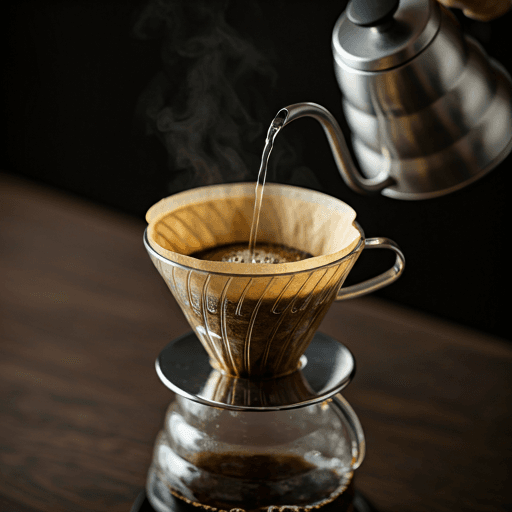
French press vs cold brew is one of the most common questions in home coffee, and the tricky part is that both methods actually work the same basic way: coffee grounds sit fully submerged in water and steep, with no paper filter in between. The real differences come down to three things — the temperature of the water, how long it steeps, and the flavor you get at the end.
A french press uses hot, just-off-the-boil water and a short steep of about four minutes to make a hot, full-bodied cup. Cold brew uses cold or room-temperature water and a long steep of roughly 12 to 24 hours to make a smooth, low-acid concentrate. Same idea, opposite settings.
French press vs cold brew: the short answer
Think of it as hot-and-fast full immersion versus cold-and-slow full immersion. Both are immersion brews — the grounds steep in the water the whole time, rather than water dripping through a bed of coffee the way it does in a drip machine. What changes everything is heat and clock time.
With a french press, hot water pulls flavor out of the grounds quickly, so you are done in minutes and drinking a warm, heavy cup. With cold brew, cold water is a slow, gentle solvent, so it needs many hours to extract enough — but it leaves behind much of the bitterness and acidity that heat draws out. If you want the full step-by-step for each, we defer to the french press guide and our explainer on what cold brew coffee is; here we are focused on how the two compare.
The difference between french press and cold brew at a glance
Put cold brew vs french press side by side and the pattern is clear — nearly every setting is flipped except the grind:
| Factor | French press | Cold brew |
|---|---|---|
| Water temperature | Hot, ~92-96 C (198-205 F) | Cold or room temperature |
| Steep time | ~4 minutes | ~12-24 hours |
| Grind | Coarse | Coarse to extra-coarse |
| Body & acidity | Full-bodied, brighter acidity | Smooth, lower acidity |
| Typical serve | Hot, drunk as brewed | Concentrate, diluted and served over ice |
Temperature and time
The single biggest difference between french press and cold brew is water temperature, and time follows directly from it.
A french press is a hot method. Most people pour water at around 92-96 C (about 198-205 F), just off a boil, over coarse grounds and let them steep for roughly four minutes before pressing the plunger down. Hot water is an aggressive solvent — it dissolves coffee's flavor compounds fast — so four minutes is usually plenty to get a strong, satisfying cup.
Cold brew flips this completely. You use cold or room-temperature water and let the grounds steep for about 12 to 24 hours, often in the fridge. Cold water extracts slowly and selectively, so it needs that long window to pull enough flavor and caffeine out of the grounds. Some people stop around 12 hours for a lighter result; others go 18 to 24 for a heavier concentrate. Steep time is one of the main levers you can adjust, so treat those numbers as a starting range rather than a fixed rule.
Grind: both go coarse
Grind is the one big thing french press and cold brew have in common: both want a coarse grind. Because the grounds stay in contact with water the entire time — that is what full immersion means — a fine grind would over-extract and slip through into your cup as sludge.
For a french press, a coarse, even grind (roughly the texture of coarse sea salt or breadcrumbs) presses cleanly and keeps most sediment out of the drink. Cold brew often goes even coarser, since the grounds sit in water for so many hours; a very coarse grind helps keep that long soak from turning muddy and makes straining easier at the end. If a cup from either method tastes gritty or harsh, grinding coarser is usually the first fix to try.
Flavor and acidity
This is where french press vs cold brew really diverge on the palate.
A french press cup is bold and full-bodied. Because there is no paper filter, the coffee's natural oils and fine particles stay in the drink, giving it a heavy, rounded mouthfeel. Hot extraction also brings out brighter, more acidic notes — the lively, sometimes fruity or tangy character of the beans. Plenty of people love a french press for exactly that reason: it tastes rich and full, with nothing filtered away.
Cold brew tastes smoother, sweeter and noticeably lower in acidity. Cold water leaves behind many of the acidic and bitter compounds that heat pulls out, so the result is mellow, often chocolatey, and easy-drinking, with far less of that bright tang. If acidity bothers your stomach or your taste, cold brew is frequently the gentler choice — though responses vary from person to person, and this is not medical advice.
Strength and dilution
Both drinks are strong in their own way, so "which is stronger" really depends on how you serve it.
A french press is brewed to drink as-is, usually at a ratio somewhere around 1:15 to 1:17 (coffee to water by weight). It comes out at normal drinking strength — a full, hearty cup you pour and enjoy.
Cold brew is usually brewed as a concentrate at a much tighter ratio, often around 1:4 to 1:8, then diluted with water, milk or ice before drinking. That undiluted concentrate is intense, and you rarely drink it straight. Because the numbers shift so much with ratio and steep time, exact caffeine content varies a lot — once a cold brew concentrate is cut down, a glass of it and a mug of french press can land in a broadly similar range, so treat any single caffeine figure as a rough guide rather than a hard number.
Can a french press make cold brew?
Yes — and it is one of the handiest tricks in home coffee. A french press is essentially a steep-and-filter vessel, which is exactly what cold brew needs.
To do it, add coarse grounds and cold water to the press, give them a gentle stir, and leave the jug (lid on, plunger up) in the fridge for 12 to 24 hours. When it is ready, slowly press the plunger down to separate the grounds from the liquid, then pour off the coffee. The metal mesh does the filtering, so you skip the usual straining step. For the full ratios and method, see how to make cold brew coffee. It is a great way to get cold brew without buying any extra gear — your existing press does both jobs.
Which to choose, and when
So, french press or cold brew? Neither method is better overall — they simply suit different moments.
Reach for a french press when you want a hot cup soon. It is only a few minutes from grounds to mug, which makes it ideal for a morning coffee or a relaxed weekend pot shared at the table.
Reach for cold brew when you want to plan ahead. One long steep makes a batch that keeps in the fridge for days, so it shines for iced coffee, hot-weather drinking, or grabbing a ready glass on a busy morning without brewing anything fresh. Just note that cold brew and iced coffee are not the same drink — iced coffee is hot-brewed and then chilled, while cold brew is never heated at all. Our guide on cold brew vs iced coffee breaks down that distinction in full.
And because a french press can make cold brew too, a single press effectively gives you both options: a fast hot cup on the mornings you want warmth, and a slow cold batch on the days you want something smooth over ice.