
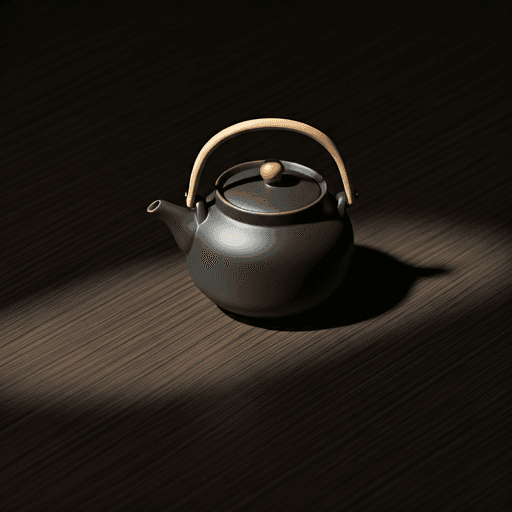
Does palo azul tea have caffeine? No — a cup of plain palo azul tea is naturally caffeine-free. It is a herbal infusion, a tisane made by simmering the bark and heartwood of the palo azul tree (Eysenhardtia polystachya, also called kidneywood), not the leaves of the caffeinated tea plant, so it carries essentially no caffeine.
Does palo azul tea have caffeine? The short answer
The short answer is no. Plain palo azul is caffeine-free because, botanically speaking, it is not really "tea" at all. The drinks we call true tea — black, green, white, oolong and pu-erh — all come from one plant, Camellia sinensis, and that plant naturally makes caffeine. Palo azul is brewed from tree bark and wood, which do not contain caffeine to begin with. That places it in the wider family of plant infusions, alongside chamomile, rooibos and peppermint, all of which give you a naturally caffeine-free cup. For the bigger picture of what that whole category covers, see our guide to what herbal tea is.
Caffeine in palo azul tea: why bark and herbal infusions have none
The caffeine in any brew comes from the raw material it is made from, not from the act of steeping or boiling. Caffeine is a compound that certain plants — the tea plant, coffee, cacao, yerba mate, guarana — produce in their leaves, seeds or beans. The palo azul tree simply is not one of those plants, and the parts used to make the drink are its bark and heartwood rather than a caffeine-bearing leaf. So there is no meaningful caffeine in palo azul tea to extract, no matter how long or how hot you simmer it.
This is the same reason most herbal teas are naturally free of caffeine: they are made from flowers, roots, seeds, bark and non-tea leaves rather than from Camellia sinensis. If you want to understand where caffeine actually comes from in the cup, our overview of whether tea contains caffeine walks through it, and our guide to caffeine-free tea explains how the caffeine-free category works and which drinks belong in it.
The famous blue color (an appearance, not a caffeine clue)
Palo azul is best known for a striking visual quirk: as the wood steeps, the infusion can glow a luminous blue when light passes through it, especially in a clear glass held up to sunlight or a bright lamp. The liquid itself often looks amber or golden by reflected light, then flashes blue by transmitted light. This shimmer is a natural optical effect from compounds released by the wood, and it is purely about how the brew looks. It tells you nothing about caffeine, strength or any health property — a vividly blue cup of palo azul is still caffeine-free, and a paler one is too. The color is simply part of the drink's charm and a long-standing point of curiosity across Mexico and other parts of the Americas, where the tree grows.
Is palo azul tea caffeine free if it is blended? One caveat
Here is the one situation worth flagging. Traditional palo azul is pure wood and bark, and on its own it is caffeine-free. But palo azul is sometimes sold as, or mixed into, a blend — and if a blend combines it with actual tea leaves (black or green Camellia sinensis), then the finished product would carry whatever caffeine those tea leaves bring. In that case the caffeine is coming from the added real tea, not from the palo azul itself.
So the honest, hedged answer is: on its own, palo azul is caffeine-free; in a mixed blend with true tea, it may not be. The practical move is to read the ingredient list. If the only ingredients are palo azul (kidneywood) bark and wood, you can treat it as a caffeine-free cup. If you see black tea, green tea, mate, guarana or added caffeine listed, expect some. When a label is vague or lists a proprietary "blend" without detail, and caffeine matters to you, it is reasonable to choose a product that clearly states pure palo azul.
What palo azul tea is like
As a drink, palo azul is mild and easygoing. The flavor is woody and earthy with a soft, slightly sweet finish and a gentle, almost vanilla-tinged note, which makes sense given it comes from tree wood rather than a sharp leaf. It is light-bodied rather than bold, without the tannic grip of a strong black tea or the vegetal edge of green tea. The wood is typically simmered rather than briefly steeped, which draws out that mellow, slightly resinous character and the signature color at the same time. Many people drink it plain and warm, though it takes well to a little honey, a squeeze of citrus, or being chilled over ice.
People reach for palo azul for all sorts of everyday reasons, but this article is only about its caffeine — for the flavor, brewing and the traditional context in more depth, see our companion guide on palo azul tea. Here the takeaway is simply that the taste is mellow and the cup is caffeine-free.
Palo azul caffeine content at a glance
Because caffeine numbers vary with the plant, the amount used and how a blend is put together, treat the figures below as rough guides rather than exact measurements. The key contrast is between pure palo azul, a palo azul blend that includes real tea, and an ordinary cup of green tea for reference.
| Tea type | Typical caffeine per cup |
|---|---|
| Palo azul (pure herbal bark-and-wood infusion) | None — naturally caffeine-free |
| Palo azul blended with real tea (black or green) | Some, from the added Camellia sinensis — check the label |
| Green tea | Roughly 20-45 mg, and it varies widely by leaf and steep |
The pattern is clear: on its own, palo azul brings nothing to the caffeine column, while any caffeine in a blended version is riding along with the tea leaves it was mixed with.
Who drinks palo azul, and when
The caffeine-free nature is exactly why many people fold palo azul into their day. Because it will not keep you awake, it is a natural fit for an evening or late-night cup, a wind-down ritual, or any moment when you want something warm and flavorful without the lift of coffee or tea. It also suits people who are cutting back on caffeine, who find caffeine disagreeable, or who simply want a change of pace from their usual mug. And since a pure infusion has no caffeine, you are not limited to a single cup by caffeine concerns — though, as with any drink, your own comfort and preference are the best guide. In many households it is treated as an everyday, all-hours drink precisely because it does not carry the stimulant that would otherwise dictate when you can enjoy it.
A light note on safety
This piece is general information about caffeine, not medical or dietary advice, and responses to any herbal drink vary from person to person. If you are pregnant, breastfeeding, taking medication, managing a health condition, or simply unsure whether palo azul is right for you, the sensible step is to ask your own healthcare provider before making it a regular habit. On the narrow question this guide set out to answer — whether there is caffeine in palo azul — the answer for a plain, pure infusion is a confident no.