
Knowledge Base
Coffee & Tea Guides
Brew better and explore more — buying guides, how-tos, and explainers for every coffee and tea ritual.
Explainer
How to Spot Bad Coffee: Signs, Causes and Fixes
Bad coffee is rarely about cheap beans. Learn to read a bad cup by its taste, trace bitter, sour, and stale flavors back to their real causes, and fix them.
Explainer
How Much Caffeine Per Day Is Safe?
For most healthy adults, up to about 400 mg of caffeine a day is generally considered safe, with no more than roughly 200 mg at once. Here are the limits by group, where caffeine hides, and the signs you have had too much.
Explainer
How Many Cups of Coffee a Day Is Healthy?
For most healthy adults, up to about three to five cups of coffee a day (roughly 400 mg of caffeine) is generally considered safe. Here is how to find your own sensible limit.
Explainer
How a Coffee Farm Works, From Seed to Harvest
A coffee farm turns years of patient cultivation into green beans. Here is how coffee grows, from seed and flowering to ripe cherries, harvest, and processing.
Explainer
Hot Tea: Types, Serving, and How to Enjoy It
A friendly guide to hot tea: the main types served hot, the water temperatures and steep times each one wants, when to add milk, and how to serve it and keep it warm.
Explainer
Hot Coffee: Styles, Serving, and Getting It Right
Hot coffee is coffee brewed and served warm — but under that one phrase sits a whole world. Here are the main styles, the right brew and serving temperatures, how to keep a cup hot, and how hot coffee differs from iced.
Explainer
Hot Chocolate and Cocoa Pods for Capsule Machines, Explained
Hot chocolate pods are machine-specific cocoa capsules, so which system you own decides what you can make. Here is what Dolce Gusto, Keurig, Tassimo and Nespresso actually offer, what is inside the pods, and how to get a richer cup.
Explainer
Hong Kong Milk Tea (Silk-Stocking Tea), Explained
Hong Kong milk tea is a strong, silky black milk tea strained through a "silk-stocking" cloth bag and finished with evaporated milk. Here's what it is, why it's nicknamed pantyhose tea, how it differs from British and bubble tea, and how to make it at home.
Explainer
Honeybush Tea, Explained: The Sweet Cousin of Rooibos
Honeybush is a caffeine-free herbal tea from South Africa and a naturally sweet cousin of rooibos. Here is what honeybush is, how it compares to rooibos, its antioxidants, and how to brew it hot or iced.
Explainer
Honey Tea, Explained: Tea with Honey and How to Make It
Honey tea simply means tea sweetened with honey. Here is what it is, the best tea and honey pairings, how to add honey to warm tea, and the honest, non-hyped benefits.
Explainer
Honey in Coffee: Does It Work, and How to Use It
Can you sweeten coffee with honey instead of sugar? Yes, and it shines in milky drinks like a honey latte. Here is how honey in coffee tastes, how to use it, and whether it really beats sugar.
Explainer
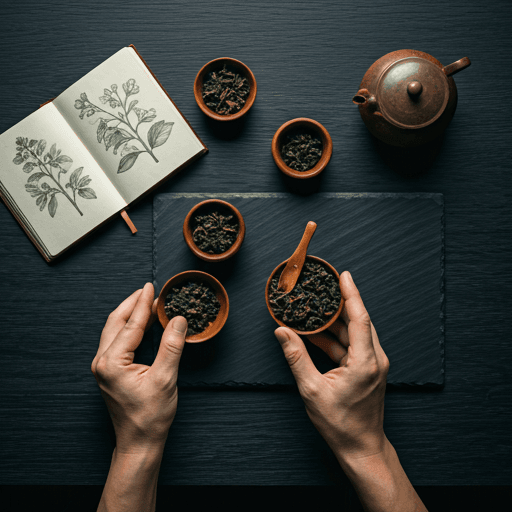
Holy Basil (Tulsi) Tea: Benefits and How to Brew
Holy basil (tulsi) tea is a caffeine-free herbal tea long used to help the body cope with stress. Here are its traditionally cited benefits, its clove-like flavor, how to brew it, and the cautions worth knowing.
Explainer
High Brew Coffee, Explained
High Brew Coffee is an American ready-to-drink canned cold brew brand founded in 2014 in Austin, Texas. Here is what it is, the flavors, and the caffeine per can.
Explainer
Hibiscus Tea and Blood Pressure: What the Research Says
Does hibiscus tea lower blood pressure? A calm, evidence-based look at what the studies actually found, how much people drank, the honest limits, and the safety cautions that matter most.
Explainer
Herbalife Tea, Explained
Herbalife tea is the brand's instant Herbal Tea Concentrate, a spoon-in-water drink built on green and black tea extracts and sold through Herbalife's distributor network. Here is what it is, what is in it, and how the loaded tea trend works.
Explainer
Herbal Tea for a Sore Throat: Soothing Cups That Help
A warm herbal tea will not cure a sore throat, but it can bring real comfort. Here are the caffeine-free herbs that soothe, how demulcents like slippery elm coat and calm, the honey-and-lemon add, key cautions and when to see a doctor.
Explainer
Relaxing Herbal Teas for Calm, Stress and Winding Down
A warm, caffeine-free cup is one of the simplest ways to unwind. Here are the classic calming herbal teas for stress and relaxation, what each is traditionally used for, how to brew a wind-down ritual, and the honest cautions to keep in mind.
Explainer
Herbal Tea for Bloating: What Helps and Why
The classic herbal teas for bloating are peppermint, ginger, fennel, chamomile and dandelion. Here is how each may ease gas, how to brew and drink them, and the cautions and warning signs worth knowing.
Explainer
The Healthiest Coffee Creamers: What to Look For
The healthiest coffee creamer is usually the simplest one. Here's how to read the label, cut added sugar, and pick a better-for-you creamer for your goals.
Explainer
The Healthiest Coffee Shop Drinks to Order
The healthiest cafe drinks keep it simple: black coffee, americano, cortado, flat white or unsweetened cold brew. Here is what makes an order heavy and the easy low-sugar swaps to lighten anything.
Explainer
The Health Effects of Drinking Coffee
For most healthy adults, moderate coffee drinking is linked to real benefits, but it is not right for everyone in every amount. Here is the balanced, both-sides picture of what coffee may do for you and to you.
Explainer
Hazelnut Coffee: The Complete Guide
Hazelnut coffee is coffee with the warm, sweet, toasty taste of hazelnuts. Here is the complete guide to its four forms — flavored beans, syrup, creamer and the hazelnut latte — how they differ, how to make one at home, and an honest note on nut allergies.
Explainer
Hazelnut Coffee Creamer, Explained
A sweet, nutty pour that lightens and flavors coffee at once. Here is what hazelnut coffee creamer is, the dairy and non-dairy types, how to use it, and a quick DIY.
Explainer
Hazelnut Syrup and Rose Syrup for Coffee, Explained
Hazelnut syrup is the sweet, nutty classic and rose syrup is the floral, aromatic alternative. Here is what flavoring syrups do, how to use them in coffee, and how to make your own.