
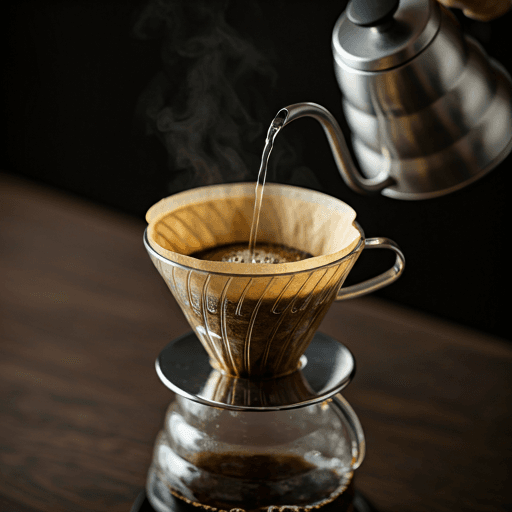
Hazelnut syrup is one of the most popular ways to flavor coffee: a sweet, nutty, toasted-tasting sugar syrup you stir into lattes, cappuccinos, iced coffee, or plain drip. Rose syrup is its fragrant cousin, a floral, lightly sweet syrup long loved in Middle Eastern, Persian, and South Asian drinks. Both are flavoring syrups: sweetened, flavored liquids you add a small amount of to season a drink with taste and sweetness, without the creaminess a dairy or plant creamer brings.
This guide explains what a flavored coffee syrup actually is, how hazelnut and rose each taste and where they shine, the difference between regular and sugar-free versions, and simple ways to make both at home.
What a flavored coffee syrup is (and how it differs from a creamer)
A flavored coffee syrup is a concentrated, sweetened liquid, usually just sugar, water, and flavoring, that you add to a drink by the pump or the spoonful. It does two jobs at once: it sweetens and it flavors. Because it is a clear, water-based liquid, it dissolves cleanly into hot espresso or coffee and shakes easily into iced drinks, without changing the body or color of the coffee much (rose being a colorful exception).
This is the key difference between a syrup and a creamer. A syrup adds flavor and sweetness only; a creamer adds flavor, sweetness, and creaminess, because it also contains dairy or a plant-based fat that softens the coffee and lightens its color. If you want a nutty note but still want your coffee to taste like coffee, reach for a syrup. If you want that same nutty note plus a rounder, milkier cup, a hazelnut creamer does that instead. Plenty of people keep both on hand.
A typical dose is one pump, or roughly 1 to 2 teaspoons, per cup, though syrups are forgiving, so taste and adjust. For a standard cup of coffee (around 240 ml), 1 to 2 tablespoons is a common starting range if you want a pronounced flavor. Stir it into hot coffee, or add it first and shake it with ice for iced drinks so it blends evenly rather than sinking to the bottom.
Hazelnut syrup, explained
Hazelnut is a warm, nutty, gently toasty flavor, the taste most people picture when they order a hazelnut latte. It leans cozy and dessert-like without being heavy, which is why it is such a reliable everyday choice. Hazelnut syrup for coffee works in almost anything: hot lattes and cappuccinos, iced coffee and cold brew, and simple black drip when you want a little sweetness and aroma.
Flavor-wise, hazelnut is a natural partner for chocolate and vanilla. A little hazelnut turns a mocha into something close to a chocolate-hazelnut spread in a cup, and it plays nicely alongside caramel syrup or a shot of vanilla. It also flatters the toasty, roasty notes in a darker roast.
Rose syrup, explained
Rose syrup is a floral, aromatic, lightly sweet syrup made with rose water or rose extract. It is a staple of Middle Eastern, Persian, and South Asian drinks and sweets, and it has become a favorite for giving coffee a delicate, perfumed lift. In a rose latte it adds gentle floral character; in iced coffee it reads as refreshing and a little exotic.
The golden rule with rose is restraint: a little goes a long way. Add too much and the drink starts to taste like perfume rather than a hint of flower. Start with about a teaspoon and build up from there. Rose also pairs beautifully with cardamom, pistachio, saffron, and honey, and, depending on the product, it can tint a drink a pretty pale pink, which makes it popular for iced lattes and even matcha as well as coffee.
Hazelnut vs rose vs other flavored syrups
Here is a quick comparison of hazelnut and rose alongside two other common flavors, to show how each behaves in a cup:
| Syrup | Flavor | Good in |
|---|---|---|
| Hazelnut | Warm, nutty, toasted | Lattes, mochas, iced coffee, cold brew |
| Rose | Floral, aromatic, delicate | Rose lattes, iced coffee, matcha; pairs with cardamom or pistachio |
| Vanilla | Sweet, smooth, rounded | Almost anything; a flexible base flavor |
| Caramel | Buttery, sweet, rich | Lattes and iced coffee; great with a darker roast |
Vanilla and caramel are the easy crowd-pleasers, hazelnut is the nutty comfort pick, and rose is the aromatic wild card. Once you understand how a flavored coffee syrup behaves, you can mix and match, for example a little hazelnut with vanilla, or rose with a whisper of cardamom.
Regular vs sugar-free syrups
Most flavoring syrups come in two broad styles. Regular (sugar) syrups are made with cane sugar, which gives the fullest body and a clean sweetness; this is the classic cafe syrup. Sugar-free syrups swap the sugar for high-intensity sweeteners such as sucralose, so they add flavor and sweetness with little or no sugar. They can taste slightly different and a touch thinner than the sugar versions, and some people notice an aftertaste, so it is worth trying a flavor you already like in both styles before committing.
Popular commercial brands you will see on shelves and cafe back-bars include Monin, Torani, and DaVinci; all three make hazelnut, and floral flavors including rose turn up across the wider syrup market. Those are simply well-known examples, not endorsements: there are many good makers, and the same flavor can taste noticeably different from one brand to the next.
How to make hazelnut syrup at home
Homemade syrup is genuinely easy, and it starts with a simple syrup: equal parts sugar and water, gently simmered until the sugar dissolves. From there you add the flavor. Here is a straightforward method for how to make hazelnut syrup:
- Toast the nuts (optional but worth it). Toast about a cup of hazelnuts in a dry pan or a 300°F (150°C) oven until fragrant, then rub off the papery skins, which can taste bitter.
- Simmer. Combine 1 cup sugar, 1 cup water, and the chopped toasted hazelnuts in a saucepan. Bring to a boil, then reduce the heat and simmer for about 10 minutes.
- Steep. Take it off the heat and let the nuts steep in the syrup for at least an hour to deepen the flavor.
- Strain and store. Strain out the nuts through a fine sieve, cool, and keep the syrup in a sealed jar in the fridge for around two weeks.
Short on time? Skip the nuts and stir a little hazelnut extract into a finished simple syrup instead. It is faster and gives a stronger, more familiar hazelnut flavor, the kind you associate with a coffee-shop hazelnut latte.
How to make rose syrup
Rose syrup is even simpler. Make the same equal-parts simple syrup, take it off the heat, and stir in food-grade rose water a little at a time, tasting as you go until it is fragrant but not soapy; often a teaspoon or two per cup of syrup is plenty. Cool and store it the same way. For color, a single drop of beet juice or natural food coloring gives that signature pale pink without affecting the flavor.
A note on nut allergies
Despite the name, many commercial hazelnut syrups are flavored with natural or artificial flavoring and contain no actual nuts; the characteristic taste comes largely from a compound called filbertone. But this is not universal. Some syrups, and most homemade versions, do use real hazelnuts or hazelnut extract, which contain tree-nut proteins. If you or someone you are serving has a serious nut allergy, always read the label and check with the manufacturer rather than assuming, because formulations vary by brand and batch.
The bottom line
Hazelnut and rose sit at two ends of the flavoring-syrup spectrum: one warm, nutty, and comforting, the other floral, delicate, and a little dramatic. Both add flavor and sweetness without turning your coffee into a creamy drink, both are easy to make at home, and both reward a light hand until you find your ideal dose. If you want to go deeper on the wider world of coffee flavorings, our guide to coffee syrups is a good next stop.