
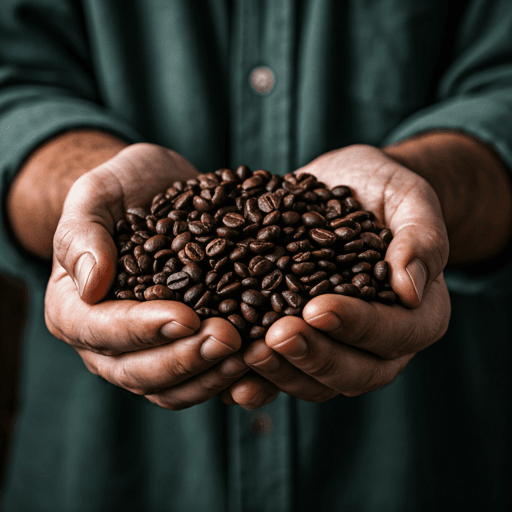
Bad coffee is almost never just a matter of cheap beans. Most of the time, a bad cup comes down to a handful of fixable causes: stale beans, the wrong grind, an off ratio, water that is too hot or too cold, over- or under-extraction, or a dirty machine. This guide helps you spot bad coffee by its taste, trace each flaw back to its cause, and fix it, so a disappointing cup becomes a rare event rather than your normal morning.
Why Does My Coffee Taste Bad?
If you have ever wondered "why does my coffee taste bad," the honest answer is that the flavor is a symptom, and the cause is usually mechanical rather than about quality. Coffee is water dissolving flavor out of ground beans over time. Pull too much out and you get bitterness; pull too little and you get sourness; start with tired, oxidized beans and the whole cup tastes flat no matter what you do. Price plays a smaller role than most people think. A well-stored, correctly brewed everyday bean can taste far better than an expensive one that has been sitting open on a shelf for months.
Three variables do most of the damage: freshness, grind, and extraction (grind size, water temperature, and contact time working together). Get those three right and the majority of "bad coffee" problems disappear.
The Most Common Signs of Bad Coffee
Every off-tasting cup has a signature. Learn the signatures below and you can usually diagnose bad coffee in a single sip.
Bitter or burnt coffee
Harsh, dry, lingering bitterness usually means over-extraction: the water pulled out not just sugars but the drier, more astringent compounds behind them. The usual culprits are a grind that is too fine, water that is too hot (the sweet spot is roughly 195 to 205 F, or about 90 to 96 C), or contact time that runs too long. A separate, related flavor is genuinely burnt coffee, an ashy scorched note that often comes from a very dark roast, beans roasted past their best, or coffee left to stew on a hot plate. The fix: coarsen the grind, cool the water slightly, shorten the brew, and never leave a finished pot sitting on heat.
Sour or sharp coffee
A biting, lemony, almost salty sourness is the opposite problem: under-extraction. The water stopped before it reached the sweet, balanced middle of the extraction and left only the bright acids behind. Causes are a grind that is too coarse, water that is too cool, or a brew that ends too soon. The fix is the mirror image of the bitterness fix: grind finer, use hotter water within the safe range, or extend the contact time a little.
Flat, stale, or cardboard-like coffee
If the cup is not bitter or sour but simply dull, papery, or lifeless, the beans are almost certainly stale. Coffee loses its aromatic oils and carbon dioxide with age, and what is left tastes like cardboard or wet paper. No brewing tweak can restore what has already gone; only fresher beans will. Stale coffee is the flaw people most often blame on "bad beans" when the real issue is simply time on the shelf.
Ashy, rubbery, or "dirty" coffee
Stale, rancid, or oddly savory notes that show up even with fresh beans often point at the equipment rather than the coffee. Old oils build up in baskets, filters, carafes, and reservoirs, and they turn rancid, adding a muddy or rubbery taint to every cup. A thorough clean and descale usually clears it.
Oily and rancid coffee
Beans that look slick and smell faintly like old nuts or crayons have oxidized oils. That rancid character is a clear sign the beans are well past their prime, and it carries straight through into the cup.
Bad Coffee: Symptom, Cause, and Fix
Use this table as a quick diagnostic. Match what you taste to the likely cause, then try the fix. Change one variable at a time so you can tell what actually helped.
| Symptom | Most likely cause | Fix |
|---|---|---|
| Harsh, dry bitterness | Over-extraction: grind too fine, water too hot, brew too long, very dark roast | Coarsen grind, cool water toward 195 F (90 C), shorten brew |
| Ashy, scorched, burnt | Over-roasted beans or coffee stewed on a hot plate | Choose a lighter roast; pour into a thermal carafe, never leave on heat |
| Sharp, sour, lemony | Under-extraction: grind too coarse, water too cool, brew too short | Grind finer, use hotter water in range, extend contact time |
| Flat, papery, cardboard | Stale coffee: age plus air, light, and heat | Buy fresher, use within weeks of roast, store airtight and dark |
| Weak and watery | Too little coffee for the water (weak ratio) | Increase the dose toward roughly 1 to 15 or 1 to 16 coffee to water |
| Muddy, rubbery, "off" | Dirty or unmaintained machine, rancid oil buildup | Clean brewer, filter, and carafe; descale regularly |
| Rancid, nutty, crayon-like | Oxidized bean oils | Discard; start with a fresh bag |
How to Tell If Your Coffee Has Gone Stale
Stale coffee is the single most common reason a decent bean disappoints. Here is how to check before you brew:
- Smell it. Fresh grounds release an obvious, fragrant aroma in the first few seconds. Little or no smell means little or no flavor left.
- Watch for the bloom. Pour a splash of hot water over fresh grounds and they puff and bubble as trapped carbon dioxide escapes. A weak, flat bloom (or none) points to old beans.
- Check the sheen. On light and medium roasts, a slick, oily surface usually means the oils have migrated out with age. Very dark roasts can look oily even when fresh, so judge those by smell instead.
- Read the roast date. Whole beans are generally at their best within roughly a month of roasting, and ground coffee fades much faster. A "best by" date far in the future tells you little; a roast date does.
Stale is different from spoiled. Stale coffee has lost its life but is not dangerous. Spoiled coffee, meaning anything with visible mold or a musty, damp, fermented smell, has usually met moisture and should go straight in the bin.
Stale vs Spoiled: When to Throw Coffee Out
Dry, stale beans and grounds are safe to drink; they simply taste dull, and you lose nothing but pleasure. The line to respect is moisture and mold. If beans or grounds have gotten damp, smell fermented or musty, or show any fuzzy growth, throw them out rather than risk it. The same applies to a brewed cup that has been sitting with milk or cream: dairy spoils long before the coffee does.
Can Old Coffee Make You Sick?
Generally, no. Plain stale coffee, whether beans, grounds, or a cold cup of black coffee left overnight, is a taste problem, not a safety one. What changes the equation is contamination. Discard anything with mold, coffee that has absorbed moisture and smells off, and any milk-based drink that has been left out for hours. When in doubt, the cost of tossing a scoop of old grounds is tiny compared with the alternative, so err toward a fresh brew.
How to Stop Brewing Bad Coffee
Most bad coffee is prevented, not fixed after the fact. A few habits cover the vast majority of cases:
- Start fresh. Buy whole beans in amounts you will finish within a few weeks, and grind just before brewing. Our fresh coffee beans guide covers what freshness actually means and how to keep it.
- Match grind to method. Coarse for French press and cold brew, medium for drip, fine for espresso. The wrong grind is the number one cause of both bitter and sour cups.
- Get the ratio right. A starting point of about 1 gram of coffee to 15 to 16 grams of water suits most brewers; adjust to taste. See our coffee brewing ratios guide for specifics by method.
- Mind the water. Use clean, filtered water heated to roughly 195 to 205 F (90 to 96 C), just off the boil.
- Keep gear clean. Wash the basket, carafe, and any reusable filter regularly, and descale on schedule so rancid residue never builds up.
- Know your roast. If bitterness dogs every cup, your roast may simply be darker than you enjoy; our coffee roast levels explained guide helps you pick a level that suits you.
Putting It Together
Spotting bad coffee is a skill you build one cup at a time: taste, name the flaw, guess the cause, change one variable, and taste again. Bitterness pulls you toward a coarser grind and cooler water; sourness pulls you the other way; a flat, cardboard cup sends you back for fresher beans; and a muddy, rancid edge tells you to clean the machine. Once the diagnosis becomes second nature, genuinely bad coffee becomes rare. For a full walkthrough of getting a good cup from the start, see our guide on how to make coffee, and let each cup teach you a little more as your palate sharpens.