
Knowledge Base
Coffee & Tea Guides
Brew better and explore more — buying guides, how-tos, and explainers for every coffee and tea ritual.
Explainer
Long Black Coffee vs Americano: What Is the Difference?
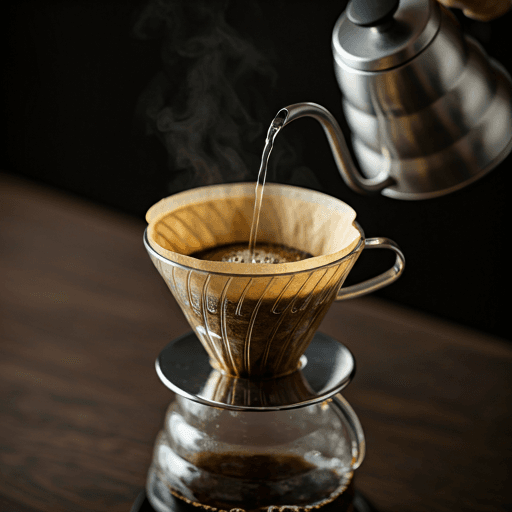
A long black is a double espresso poured over hot water — the Australian and New Zealand cousin of the americano. The twist is the pour order: water first, espresso last, so the crema and aroma stay on top.
Explainer
Cafe con Leche: Spanish Coffee with Milk, Explained
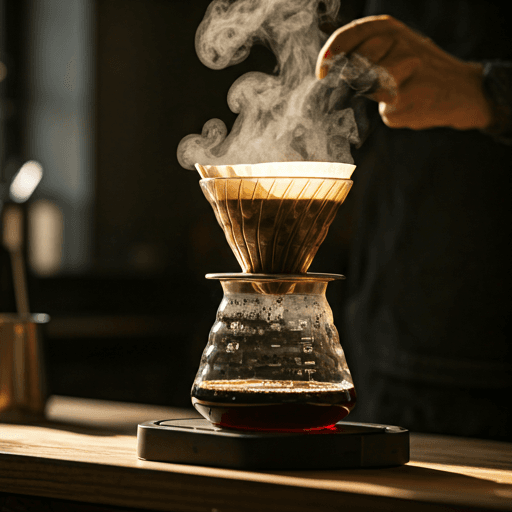
Cafe con leche is strong coffee mixed about half-and-half with hot scalded milk — a breakfast staple across Spain, Cuba and Latin America. Here is what it is, the classic 1:1 ratio, how it differs from a latte and cafe au lait, and the iced version.
Explainer
Red Eye Coffee: Drip Plus a Shot of Espresso
A red eye coffee is a cup of drip coffee with an espresso shot dropped in. Here is the red eye, black eye and dead eye ladder, roughly how much caffeine each carries, and how to make one at home.
Explainer
Cappuccino vs Latte: What's the Difference?
Cappuccino vs latte comes down to milk and foam. A cappuccino is roughly equal parts espresso, steamed milk and thick foam, while a latte is mostly steamed milk with a thin microfoam layer. Here's how they differ in taste, strength, size and latte art.
Explainer
Cold Brew vs Iced Coffee: What's the Difference?
Cold brew vs iced coffee: both are cold coffee, but one is a slow cold-steeped concentrate and the other is hot coffee poured over ice. Here is how they differ in taste, strength, acidity and caffeine, plus how to choose.
Explainer
Drinking Matcha Every Day: Is It OK?
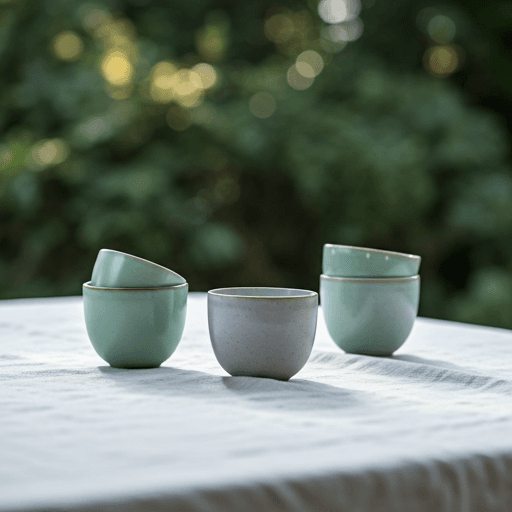
Drinking matcha every day is fine for most people in moderation - about one to two servings. Here's how much matcha per day makes sense, the caffeine to watch, the upsides people report, and the best time to drink it.
Explainer
Liquorice Tea: Benefits, Taste, and How to Make It
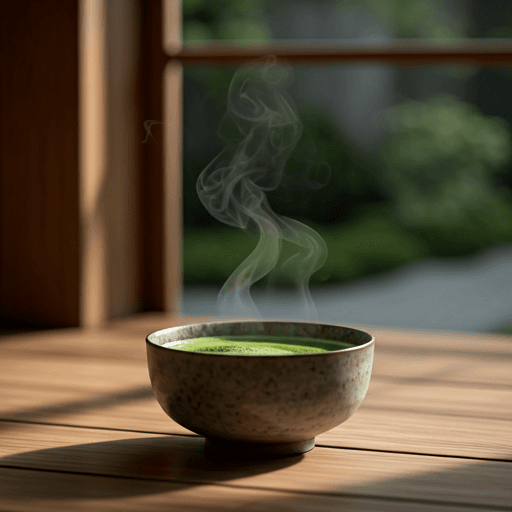
Liquorice tea is a naturally sweet, caffeine-free herbal infusion made from Glycyrrhiza glabra root, with a woody, aniseed-like flavour. Here is what it tastes like, its traditional uses, the liquorice and burdock pairing, how to brew it, and the one real safety caution to know.
Explainer
Almond Milk in Coffee: Does It Work?
Almond milk works in coffee, adding light, nutty creaminess for fewer calories than dairy. Here is how to stop it curdling, plus barista blends, frothing and creamer tips.
Explainer
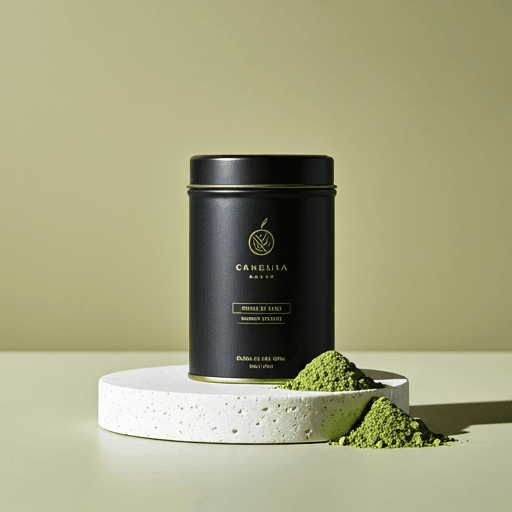
Almond Milk Matcha Latte (and the Best Milk for Matcha)
A nutty, dairy-free take on the classic matcha latte: how to whisk a smooth almond milk matcha latte at home, plus how oat, coconut, soy and dairy compare so you can pick the best milk for matcha.
Explainer
Berry Tea: Types, Flavours, and How to Brew It
Berry tea is a whole family of fruity infusions — from jammy mixed berry blends and blackberry leaf to herbal hawthorn and chaste berry. Here is what each one is, which carry caffeine, and how to brew them hot or iced.
Explainer
Latte Macchiato vs Caffe Macchiato: What's the Difference?
A caffe macchiato is espresso stained with a dab of foam; a latte macchiato is steamed milk stained with a shot of espresso. Here is the difference, how each is built, why the latte macchiato layers, plus the caramel and iced versions.
Explainer
Loose-Leaf Chai Tea: Leaves, Blends, and Brewing
Loose-leaf chai is a spiced black-tea blend of whole leaves — an Assam or Ceylon base with cardamom, ginger, cinnamon, clove and pepper. Here is what is in the blend, why loose leaf beats bags, and how to brew it as a spiced tea or milky masala chai.
Explainer
Caffeine in Pain Relievers: Acetaminophen and Caffeine
Some over-the-counter pain relievers add a small dose of caffeine to acetaminophen or aspirin because it can modestly boost relief. Here's the caffeine science, how much you're actually getting, and why it counts toward your daily total.
Explainer
The Benefits of Drinking Coffee Without Sugar
Drinking coffee without sugar cuts empty calories and lets you taste the cup while keeping the caffeine lift and natural antioxidants. Here is what actually changes when the sugar comes out, plus how to ease off it gradually.
Explainer
The Best Water Temperature for Brewing Coffee
The best water temperature for coffee is about 90-96C (195-205F), just off the boil. Here is the ideal range, the numbers for every brew method, and how to hit it without a thermometer.
Explainer
Banana and Coffee: Drinks, Bakes, and Pairings
Banana and coffee pair naturally — sweet, malty banana against dark, roasty coffee. Here is how to blend a banana coffee smoothie, bake banana coffee cake and coffee-glazed banana bread, and use ripe banana to sweeten your cup.
Explainer
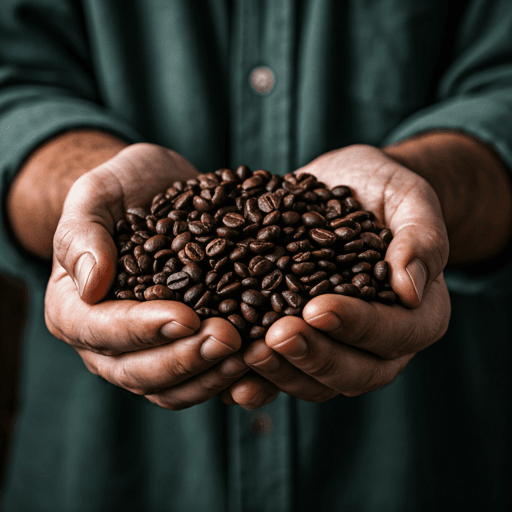
Coffee Grind Size Chart: Match the Grind to Your Brew
From extra-coarse cold brew to extra-fine Turkish, a coffee grind size chart maps every grind to the right brew method — and explains why the same beans can taste sour or bitter when the grind is off.
Explainer
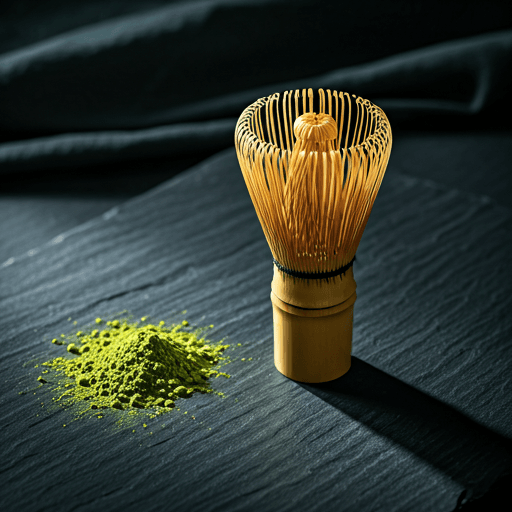
Mango Boba: The Fruity Bubble Tea, Explained
Mango boba is a mango-flavored bubble tea with chewy tapioca pearls or juice-filled popping boba, served as a mango milk tea, a mango green or fruit tea, or a frozen slush. Here is what goes into each build, what "boba" really means, and how to customise the sweetness and ice.
Explainer
Yuzu Tea and Yuja-Cha (Korean Citron Tea), Explained
Yuzu tea, known in Korean as yuja-cha, is not a brewed leaf tea but a caffeine-free citron drink made by stirring sweet yuzu (yuja) preserve into hot water. Here is what it is, why it has two names, how it tastes, and how to make it.
Explainer
Yerba Mate Caffeine: How Much Is in a Cup?
Yerba mate does contain caffeine — very roughly 30 to 50 mg per cup, less than brewed coffee and more than most teas, with the real total climbing as you refill the gourd. Here's how much, the mateine myth, and how it compares to coffee, tea and energy drinks.
Explainer
Whole Bean Coffee: What It Is and Why It Stays Fresher
Whole bean coffee is roasted, un-ground coffee you grind fresh before brewing. Here is what it is, why it stays fresher than pre-ground, and how to grind, store and buy it.
Explainer
What Makes Good Coffee? From Bean to Cup
Good coffee is a chain of small things done right: fresh, well-roasted beans, the correct grind, clean water at the right temperature and a sound brew ratio. Here is how each step shapes the cup, and why "good" is partly personal.
Explainer
What Makes a Great Vegan Cafe?
A great vegan cafe treats being fully plant-based as a strength, not a restriction. Here is what separates a genuinely great vegan cafe from a place that simply keeps a carton of oat milk behind the bar.
Explainer
What Makes a Good Coffee Shop (or Cafe)?
A good coffee shop is judged by a few things done well: fresh, carefully made coffee, baristas who care, a comfortable and welcoming room, day-to-day consistency, fair value and a real sense of place. Here is what actually to look for, the signals you can read in five minutes, and why "good" depends on the job you came in to do.