
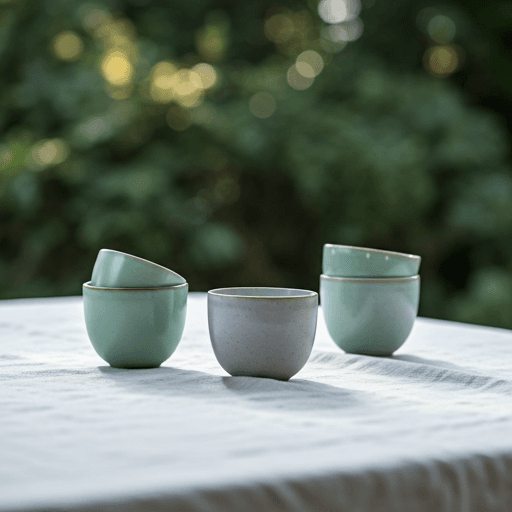
An almond milk matcha latte is whisked matcha topped with steamed or cold almond milk — a nutty, dairy-free take on the classic matcha latte. It is one of the easiest ways to see how the milk you pour actually changes the drink: swap dairy for almond and the same green tea turns lighter, subtly toasty, and a little less sweet. Here is how to make one that stays smooth, plus how almond stacks up against oat, coconut, soy and dairy so you can pick the best milk for matcha at home.
How to make an almond milk matcha latte
The secret to any good almond milk matcha latte is the order of operations: dissolve the matcha into a paste first, then add the milk. Skip that step and you get grainy clumps and a thin, separated drink. Matcha is a fine powder of whole ground green tea, so it needs to be coaxed into suspension before it meets anything cold or fatty. (For the base recipe in more detail, our matcha latte guide walks through the classic dairy version.)
What you need
- 1 to 2 teaspoons matcha (a lightly rounded teaspoon per cup is a common starting point)
- A little hot water, roughly 75–80°C (about 170°F) — just off the boil, never fully boiling
- About 200–240 ml (roughly a cup) of almond milk, ideally a barista blend
- A bamboo whisk (chasen), a small electric frother, or a lidded jar
- Sweetener to taste (optional)
The steps
- Sift the matcha. Push the powder through a small fine-mesh sieve into your cup or a bowl. This removes the lumps that cause the worst clumping and is the single biggest upgrade to a home matcha.
- Make a paste. Add just a splash of the 75–80°C water — a tablespoon or two — and whisk briskly in a zig-zag "W" or "M" motion (not a slow circular stir) until you have a smooth, lump-free, slightly frothy paste. Water hotter than that can scorch the tea and turn it bitter.
- Warm or chill the almond milk. For a hot latte, gently steam or heat the almond milk until it is warm and a little foamy; froth it if you can. For iced, keep it cold and pour over ice.
- Combine gently. Pour the warm or cold almond milk onto the matcha paste (not the other way around) and stir once. Adding milk to the paste, rather than dropping raw powder into a full cup of milk, is what keeps the two from splitting.
- Sweeten and finish. Taste, add your sweetener if using, and top with any leftover foam.
That is the whole method. If you want the cold version with the full ice-and-shake technique, we cover it step by step in how to make iced matcha.
The best milk for matcha, compared
There is no single best milk for matcha — it depends on whether you want froth, creaminess, or a clean tea flavor. Almond milk and matcha make a light, nutty pairing that lets the grassy notes through, which is exactly why some people love it and others find it too thin. Here is how the common options behave.
| Milk | Taste with matcha | Froth & body |
|---|---|---|
| Oat | Creamy and lightly sweet; rounds off matcha's edge. The most popular pick. | Excellent — a barista oat blend steams into thick, stable microfoam. |
| Almond | Nutty and light; lets the green-tea flavor come through. Thinner body. | Moderate — plain almond is watery; a barista almond blend froths far better. |
| Coconut | Tropical and naturally sweet; a distinctive coconut-matcha combination. | Light, soft foam; canned coconut milk is richer but heavy. |
| Soy | Neutral and slightly beany; higher protein gives a fuller mouthfeel. | Frothy — the protein holds foam well, though it can curdle if overheated. |
| Dairy (whole) | Classic, rich and rounded; softens matcha the most. | Excellent — the benchmark for steamed microfoam. |
The pattern across every plant option is the same: a barista blend froths and stays smooth far better than the standard carton, because it usually contains a little added oil and a stabilizer that help it foam and resist splitting. If foam matters to you, that one swap makes the biggest difference. Which matcha you use matters too — a smoother ceremonial-style powder tastes cleaner through light almond milk, while a robust culinary grade stands up to sweeter oat or coconut; our note on matcha grades and types explains the difference.
Why matcha and almond milk separate — and how to avoid it
The most common complaint about a coconut matcha latte or almond version is that it separates into a pale, watery layer with green flecks floating on top. Two things cause it.
First, poor emulsification: if the matcha was never whisked into a proper paste, the powder can't stay suspended and it drifts. The fix is the paste step above — whisk hard in a zig-zag motion until it's uniform and foamy before any milk goes in.
Second, curdling: plant milks contain proteins that can split when they hit something acidic or too hot, or when a cool milk is shocked by a much hotter liquid. Matcha is far gentler than coffee here, but the same rules help. Warm the almond milk gently rather than boiling it, pour the milk onto the paste rather than dropping powder into a full cup of cold milk, and reach for a barista blend, which is formulated to resist separating. If you do these three things, almond milk and matcha behave.
Rule of thumb: paste first, milk second. Never tip raw matcha powder straight into a glass of cold milk and expect it to dissolve — it won't.
Sweetener options
Matcha has a savory, vegetal edge that many people like to soften, and almond milk is less sweet than dairy, so a touch of sweetener is common. Good choices:
- Honey or maple syrup — dissolve easily and add their own warmth; stir into the hot paste so they blend fully.
- Simple syrup or agave — the cleanest option for iced drinks because they mix without heat.
- Vanilla — a few drops of vanilla extract or syrup flatters the nuttiness of almond milk.
- Nothing at all — a well-made matcha with a naturally sweetish oat or coconut milk often needs no sugar.
Add sweetener gradually and taste as you go; it's easy to bury the tea. If your matcha tastes harshly bitter no matter what, the usual culprits are water that was too hot or a coarse, lower-quality powder rather than the milk.
Hot or iced, and a few variations
The same paste works both ways. For a hot almond milk matcha latte, top the paste with steamed almond milk; for iced, pour cold almond milk over ice and float the paste on top for that layered look, then stir. From there it's easy to riff: a coconut matcha latte for something tropical, a splash of vanilla for a dessert-like cup, or a lighter, tea-forward drink by using less milk and more water. If you're new to the powder itself and want the fundamentals of what matcha is and where it comes from, start with our explainer on what matcha is.
An almond milk matcha latte is a small lesson in how much the milk matters. Change nothing but the carton and the same whisked green tea becomes nuttier, lighter, or creamier — so it's worth keeping a couple of options in the fridge and matching the milk to the mood. Get the paste smooth, warm the milk gently, and you'll have a café-quality cup with whatever plant milk you like best.