
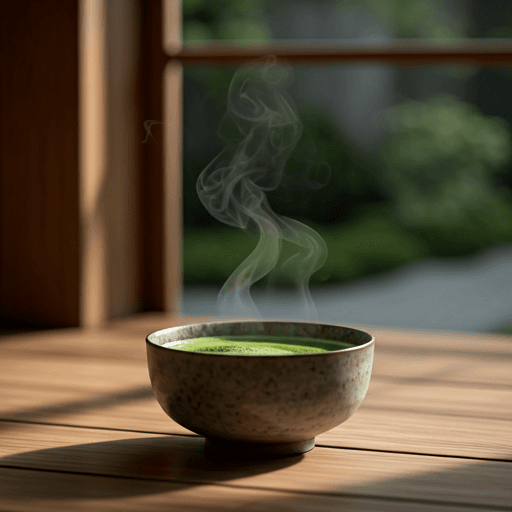
Yes — yerba mate caffeine is real, and there is a meaningful amount of it. A single cup or gourd fill delivers very roughly 30 to 50 mg of caffeine, which sits below a mug of brewed coffee and above most steeped teas. The honest catch is that the true figure swings a lot with how much leaf you pack, how hot your water is, and how many times you refill the gourd over one sitting.
This guide sticks to the caffeine question. For the full story on what the drink actually is — the taste, the gourd and bombilla, and the South American ritual around it — see our what is yerba mate explainer, and for caffeine as a molecule in general, our caffeine explained guide.
How much caffeine is in yerba mate?
A typical serving of yerba mate carries somewhere around 30 to 50 mg of caffeine. Treat that as a soft range rather than a fixed figure: published estimates vary because the amount of dried leaf, the water temperature, the cut of the yerba and the brand all move the needle. Some strong, leaf-heavy preparations climb well past 50 mg, while a light, quick infusion can land nearer the bottom of the range.
The most important quirk is refilling. Traditional mate is not a one-and-done cup — you top the same packed gourd with fresh hot water again and again, drawing many short infusions from the same leaf. Each refill pulls out a little more caffeine, so the dose you actually take in over a leisurely session can add up to far more than any single-cup number suggests. If you measure mate tea caffeine by the sitting rather than by the sip, a shared gourd passed around for an hour is a genuinely caffeinated affair. The first fills are the strongest; later ones taper off as the leaf gives up its soluble compounds.
It also helps to separate two ways of measuring. Per gram of dried leaf, mate is reasonably caffeine-rich. Per finished cup, though, a light infusion can read low simply because you used less leaf or less water contact time. That is why you will see confident-sounding but conflicting figures quoted for the same drink: they are often measuring different things. The practical takeaway is to think in ranges and sessions, not in a single authoritative milligram count.
Yerba mate caffeine vs coffee, tea and energy drinks
The clearest way to place mate is on a ladder. On the yerba mate caffeine vs coffee question, coffee usually wins per cup: a standard mug of brewed coffee tends to run higher than a single mate infusion. Against most teas, though, mate holds its own or edges ahead. So mate generally sits in the middle — more than a light green tea, less than a full mug of drip coffee, and roughly in the same neighborhood as a strong black tea.
The numbers below are deliberately rough. Caffeine content depends on serving size, leaf or bean quantity, brew strength and preparation, so read these as ballpark figures for comparison, not lab values. For a fuller cross-drink breakdown, see our caffeine in drinks compared guide.
| Drink | Rough caffeine per serving (hedged) |
|---|---|
| Yerba mate (one gourd fill / cup) | ~30–50 mg — more over a session as you refill |
| Brewed coffee (about 240 ml) | ~80–120 mg |
| Espresso (single shot) | ~60–80 mg |
| Black tea | ~40–70 mg |
| Green tea | ~20–45 mg |
| Guayusa (a mate-like leaf) | ~30–50 mg and up |
| Cola (about 355 ml) | ~30–40 mg |
| Typical energy drink (about 250 ml) | ~70–80 mg |
| Decaf coffee | ~2–5 mg |
If you like mate for its lift and want to explore a close cousin, guayusa is another naturally caffeinated South American leaf that sits in a similar bracket and is brewed in much the same spirit.
The "mateine" myth
You will still see mate sold as containing "mateine," described as a gentler, caffeine-free stimulant unique to the plant. That is a myth. Mateine is simply caffeine — the exact same molecule, just an old name once used for the caffeine found in yerba mate. Chemists confirmed long ago that there is no separate "mate stimulant." When a label leans on the word mateine to imply the drink is not really caffeinated, it is marketing language, not chemistry. Whatever you call it, the mate caffeine in your gourd behaves like the caffeine in coffee or tea.
Why mate's lift can feel smoother
Plenty of drinkers report that mate gives a calmer, more even lift than an equivalent hit of coffee — alert without the jittery spike. It is worth being clear that this is a commonly described experience, not a settled scientific fact, and much of it may come down to how mate is consumed rather than a magic ingredient.
A few things plausibly contribute. Mate contains small amounts of theobromine, the mild stimulant also found in cocoa, alongside its caffeine, which some believe softens the edge. Just as importantly, mate is sipped slowly over many refills rather than downed as a single strong cup, so the caffeine arrives in a gentle trickle instead of one jolt. The warm, social, unhurried ritual of sharing a gourd probably shapes the feeling too. None of this makes mate a different kind of stimulant — it is still caffeine — but the delivery may explain why the experience feels less sharp.
What changes your dose
If you want more or less caffeine from the same tin of yerba, a handful of levers do most of the work:
- Leaf amount. More dried leaf in the gourd means more caffeine available to extract. A generously packed gourd hits harder than a modest one.
- Water temperature. Mate is traditionally brewed with hot but not boiling water, around 70–80°C. Hotter water pulls compounds out faster and can make the cup harsher; cooler water is gentler and extracts more slowly.
- Number of refills. This is the big one. The more times you top up the same leaf, the more total caffeine you take in across the session, even though each successive fill is weaker than the last.
- Brand and cut. Different yerbas — with or without stems, more or less dust, aged or unaged, toasted or green — vary in strength. A stemmy, dusty cut can brew quite differently from a leaf-forward one.
- Steeping style. A long single steep in a mug or French press extracts differently from the traditional many-short-infusions gourd method.
Is yerba mate caffeine-free?
No — yerba mate is not caffeine-free, and it should not be treated as a herbal, caffeine-light nightcap. It is a genuinely stimulating drink, which is much of the point. If you are sensitive to caffeine, watching your intake, or reaching for something to wind down in the evening, mate is not the neutral choice a "tea" label might suggest, and the refilling habit makes it easy to take in more than you notice. Sensible, personal limits apply, just as they would with coffee or strong tea. This is general information, not medical or dietary advice; if caffeine affects you strongly or you have specific concerns, use your own judgement about how much and how late in the day you drink it.
For anyone else, the appeal is exactly this middle-of-the-ladder profile: enough caffeine to feel awake and focused, delivered slowly through a ritual built around refills and good company. Knowing roughly where mate sits — between a light tea and a full cup of coffee, with the real total depending on how you brew and how long you linger — is all most drinkers need to enjoy it on their own terms.