
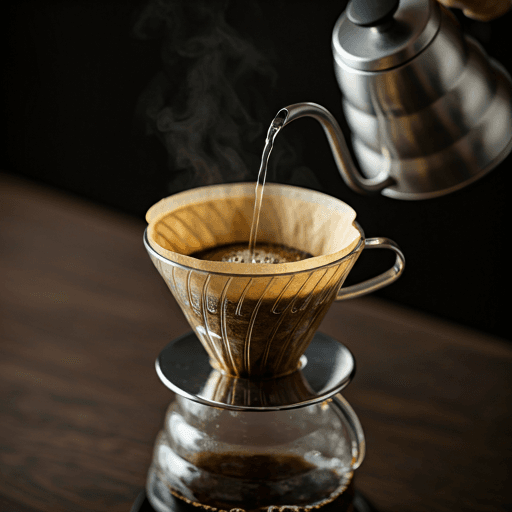
Good coffee is not one magic ingredient — it is a chain of small things done right. Quality beans, a fresh roast, the correct grind, clean water at the right temperature, a sound brew ratio and a careful method, then drinking the cup soon after you make it. Get most of those links right and even a modest setup makes a lovely cup; break one and the best beans in the world still taste flat.
What makes good coffee? The short answer
When people ask what makes good coffee, they usually expect a single secret — a bean, a brand, a machine. The honest answer is that good coffee is a process. It is fresh, well-roasted beans, ground to suit your brewer, wetted with clean water at roughly 90 to 96 degrees Celsius, in a balanced ratio, and enjoyed while it is still lively. None of these steps is exotic, but they compound. This piece is about the drink itself, not the room you drink it in — what a barista, the seating and the atmosphere add is a separate question we cover in what makes a good coffee shop.
Start with the beans
Everything downstream depends on what you put in the grinder. The two species you will meet are arabica and robusta. Arabica is grown at higher altitudes, tends to be sweeter and more aromatic with brighter acidity, and makes up most of the world's specialty crop. Robusta is hardier, carries more caffeine and a heavier, more bitter body, and is prized for crema in some espresso blends. Neither is automatically "better" — a great robusta beats a tired arabica — but most high quality coffee you brew at home will lean arabica or a thoughtful arabica-forward blend.
Origin and variety matter too. A washed Ethiopian can taste of citrus and florals; a natural Brazilian of chocolate and nuts; a Sumatran of earth and spice. That is flavour built into the bean by climate, soil and processing, not something you add later. If you want a proper walk through picking a bag, see our guide to choosing coffee beans. And when a roaster or shop grades a coffee at 80-plus points on the specialty scale, that is a defined quality tier with its own rules — we unpack it in what is specialty coffee.
Freshness beats the word "premium"
Here is the truth that surprises people: a roast date on the bag tells you far more than the word "premium" printed next to it. Coffee is a food that goes stale. Roasted beans are best in roughly the first two to six weeks after roasting; ground coffee starts losing its best aromatics within minutes to hours. That is why whole-bean coffee ground to order tastes so much fresher than a pre-ground tin that has been open for a month.
Freshly roasted coffee also releases carbon dioxide for days after roasting — this is called degassing. Beans rested a few days to a couple of weeks brew more evenly than beans opened the day they were roasted or beans left far too long. So for genuinely nice coffee, buy whole beans with a visible roast date, buy amounts you will use in a few weeks, and store them airtight, cool and dark — not in the fridge or on top of a hot machine. Small habits like this quietly separate good home coffee from disappointing home coffee.
The roast: light, medium or dark
Roast level shapes flavour more than almost any other choice. Light roasts keep more of the bean's origin character — brighter acidity, floral and fruity notes, a lighter body. Dark roasts trade that origin detail for bittersweet, roasty, chocolatey depth and a fuller body; taken too far they taste of char and ash. Medium roasts sit in between and are the safe, crowd-pleasing middle for a house coffee that has to suit everyone.
There is no single "best" roast — only the right roast for the coffee, the method and your taste. A delicate washed coffee can be wasted in a very dark roast, while a bold blend built for milk drinks may need the extra roast to cut through. Match roast to how you drink: lighter for black filter that shows off origin, medium-to-dark for espresso and milky cups. Our coffee roast levels explained breaks down each stage in detail.
The grind: match it to the method
Grind is where a lot of good beans die. Grind size controls how fast water pulls flavour out of the coffee, so it has to match the brewer. Espresso needs a fine, powdery grind; a moka pot a little coarser; pour-over and drip a medium; French press and cold brew a coarse grind. Too fine for the method and the cup turns bitter and harsh (over-extracted); too coarse and it comes out thin, sour and weak (under-extracted).
Consistency matters as much as size. A burr grinder crushes beans between two burrs to a uniform particle size, which extracts evenly. A blade grinder chops randomly, producing dust and boulders at once, so half the cup over-extracts while the other half under-extracts. This is the single upgrade that most improves everyday home coffee. And because ground coffee stales so fast, grind just before you brew, not days ahead.
Water is most of the cup
It is easy to obsess over beans and forget that a cup of coffee is around 98 percent water by weight. If your tap water tastes of chlorine or heavy minerals, that flavour goes straight into the cup, and very hard or very soft water extracts unevenly. Filtered water — or clean, fresh, good-tasting water — is a genuine quality lever, not a fussy detail.
Temperature is the other half of the water story. The sweet spot for brewing is roughly 90 to 96 degrees Celsius — hot, but not a rolling boil. Water straight off a furious boil scorches the grounds and pushes bitterness; water that is too cool leaves the cup sour and flat. If you do not have a temperature kettle, boil, then let it stand for about thirty seconds before pouring. Get the water right and you have solved a surprising share of what makes good coffee.
The brew: ratio, extraction and clean gear
With good beans, a fresh grind and clean hot water, the brew itself is mostly about ratio and evenness. A sensible starting point for most filter methods is roughly 1 gram of coffee to 15 to 18 grams of water — a 1:15 to 1:18 ratio. Stronger tastes want the lower end, a longer, gentler cup the higher end. From there you adjust to taste rather than chasing someone else's number.
Even extraction is the goal: all the grounds wetted, none left dry, the water moving through at a steady pace. That is why a level bed, a controlled pour and the right grind matter. Finally, clean equipment is non-negotiable. Old coffee oils turn rancid and taint every future cup, so rinse your brewer, and descale machines and kettles on schedule. A spotless setup is the cheapest quality upgrade there is.
| Factor | Why it matters |
|---|---|
| Beans (species, origin, variety) | Sets the flavour ceiling; you cannot brew in quality that is not in the bean |
| Freshness (roast date, degassing) | Stale coffee tastes flat and papery no matter how carefully you brew it |
| Roast level | Decides bright and fruity versus deep and roasty — fit to method and taste |
| Grind (size and consistency) | Controls extraction speed; uneven grind gives you bitter and sour at once |
| Water (quality and temperature) | Most of the cup by weight; off water and wrong heat wreck good beans |
| Ratio and method | Balances strength and extraction so the cup is neither harsh nor thin |
| Timing | Coffee fades fast after brewing; drink it fresh, not after an hour on a hotplate |
Taste: balance, not just "strong"
People often say a cup is good because it is "strong", but strength is really just how concentrated it is — how much coffee to water. It is not the same as quality. A genuinely good cup is balanced: enough sweetness to round it out, a pleasant acidity that reads as brightness or juiciness rather than sourness, and a body that feels satisfying without turning heavy or bitter. Aroma matters too — much of what we call flavour is smell.
Faults are the flip side. Sharp sourness usually means under-extraction or too cool water; harsh, drying bitterness means over-extraction, too fine a grind or too-hot water; a flat, cardboard cup means stale coffee. Learning to name what is off is how you fix it — and it turns a random result into repeatable, nice coffee you can dial in.
"Good" coffee is partly personal
After all the technique, the last word belongs to you. Someone who loves a bright, tea-like light roast and someone who lives on dark, milky espresso are both drinking good coffee — they just want different things. The craft gives you a clean, fresh, balanced cup with no obvious faults; taste decides where inside that clean cup you like to sit. A reliable house coffee is simply the one your household reaches for again and again.
So the real goal is not to chase the most expensive bag or the trendiest gadget. It is to get the fundamentals right — fresh beans, a matched grind, clean hot water, a sound ratio, drunk soon after brewing — and then adjust to the cup you actually enjoy. Do that, and good coffee stops being luck and becomes something you can make on purpose, every morning.