
Knowledge Base
Coffee & Tea Guides
Brew better and explore more — buying guides, how-tos, and explainers for every coffee and tea ritual.
Explainer
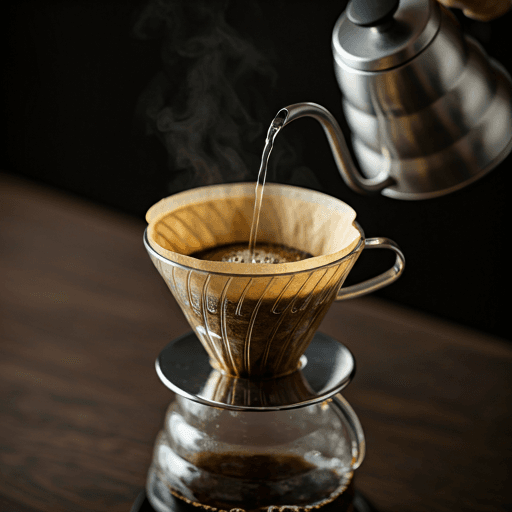
What Is Coffee TDS and Extraction Yield?
Coffee TDS is a strength reading — the share of your cup that is dissolved coffee — and extraction yield is how much you pulled from the grounds. Here is what each number means, the rough targets, how a refractometer measures them, and why most of us can just brew by taste.
Explainer
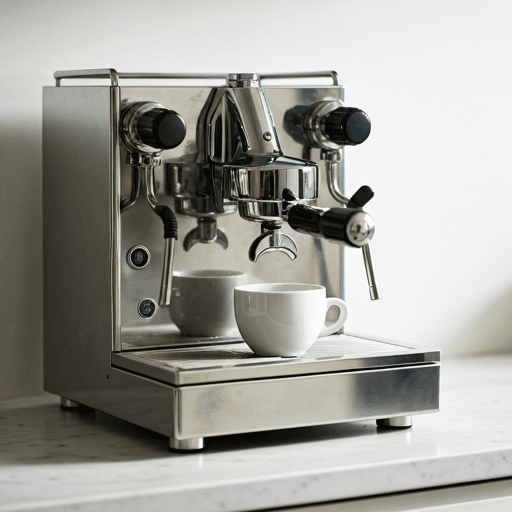
Conical vs Flat Burr Grinder: What's the Difference?
Conical and flat burrs are both quality grinders — the difference is burr shape and the grind each produces. Here is how the two compare in noise, particle size, flavor and which suits espresso or filter.
Explainer
What Is Pre-Infusion in Espresso?
Pre-infusion is a gentle, low-pressure soak that wets the espresso puck before full pressure hits. Here is what it does, how machines create it, how long it lasts, and whether you actually need it.
Explainer
Does Coffee Stunt Your Growth? The Myth Explained
No, coffee does not stunt your growth — the warning is a long-lived myth. Here is where it came from, what the research actually says about caffeine and height, and the small calcium kernel of truth worth knowing.
Explainer
Coffee and Headaches: Trigger or Remedy?
Caffeine leads a double life with headaches — the right cup can ease one, while too much or quitting cold can set one off. Here is how to tell which way coffee will go for you, and how to keep it on your side.
Explainer
Coffee and Kidney Stones: What to Know
Do coffee and kidney stones really mix? Large studies link regular coffee, even decaf, with lower stone risk — but oxalate and hydration both matter. Here's the balanced, hedged picture.
Explainer
Why Does Coffee Make Me Tired?
Coffee doesn't create energy — caffeine just blocks the sleepiness chemical adenosine, which rebounds when it wears off. Here's why coffee can make you tired, from the crash and sugar dips to tolerance and sleep debt, plus a few easy fixes.
Explainer
Coffee and Cortisol: Timing, Myths and Facts
Cortisol is your body's natural morning wake-up hormone, and caffeine can nudge it up a little. Here is an honest, hedged look at the "wait to drink coffee" idea — and why timing matters far less than sleep, tolerance and your total daily intake.
Explainer
Does Coffee Raise Blood Sugar? A Clear, Honest Answer
Does coffee raise blood sugar? Plain black coffee has almost no carbs and barely moves it — caffeine adds a small short-term nudge, and add-ins do most of the spiking. Here is the balanced, hedged picture, including what research says about coffee and diabetes.
Explainer
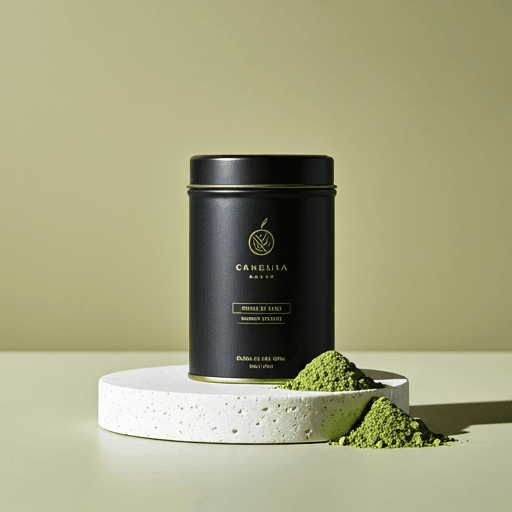
Gyokuro vs Sencha: Japan's Two Great Green Teas
Gyokuro is shade-grown for sweetness and deep umami; sencha grows in full sun for a fresh, grassy brightness. Here's how Japan's two great green teas differ in taste, brewing and caffeine — and how to choose between them.
Explainer
Does Green Tea Break a Fast? A Clear Answer
Plain green tea brewed with just water has almost no calories, so it generally won't break a fast — including intermittent fasting. Add sugar, honey, milk or turn it into a latte, though, and it does. Here's what actually counts, and why it depends on your goal.
Explainer
Assam vs Darjeeling Tea: What's the Difference?
Two famous black teas, one region, two very different cups. Here is how bold, malty Assam and light, muscatel Darjeeling compare, and when to reach for each.
Explainer
Earl Grey vs English Breakfast Tea: What's the Difference?
Both are classic black teas, but Earl Grey is scented with bergamot for a citrusy, floral cup while English Breakfast is a bold, malty blend built for milk. Here is how they compare in taste, caffeine and brewing, and which to choose when.
Explainer
Pu-erh vs Black Tea: What's the Difference?
Pu-erh and black tea both come from Camellia sinensis, but pu-erh is fermented and aged while black tea is oxidised. Here's how they differ in taste, caffeine, brewing and ageing.
Explainer
The Best Water Temperature for Tea (by Type)
Cooler water for delicate greens and whites, near-boiling for black, oolong, pu-erh and herbal — here is the best water temperature for tea by type, plus how to hit it without a thermometer.
Explainer
How Much Caffeine Is in Black Tea?
Black tea has a moderate amount of caffeine — roughly 40 to 70 mg per 8 oz cup on average, more than green, white or oolong tea but about half of coffee. Here is what changes the number, whether decaf counts, and how to brew a lighter cup.
Explainer
Black Tea Benefits: What the Research Suggests
A plain, non-medical look at black tea benefits: the polyphenols, caffeine and L-theanine inside your cup, what research actually associates them with, and how to brew for the best of it.
Explainer
Light Roast vs Dark Roast Coffee: The Difference
Same beans, different time in the roaster. Here is how light roast vs dark roast changes flavor, acidity, body and the surprising truth about caffeine.
Explainer
Pour-Over vs French Press: Which Should You Brew?
Pour-over vs French press: pour-over drips through paper for a clean, bright, tea-like cup, while a French press steeps and presses for a fuller, heavier brew. Here's how they differ on taste, grind, effort and cleanup, and how to choose.
Explainer
Ristretto vs Espresso: What's the Difference?
A ristretto and an espresso start from the same grounds in the same portafilter — the only real difference is how much water passes through. Here is how yield, taste, body and caffeine change when you pull the shorter, "restricted" shot, plus when to choose each.
Explainer
Coffee Processing Methods: Washed, Natural & Honey
Coffee processing methods — washed, natural and honey — decide whether your cup tastes clean and bright, fruity and bold, or sweet and syrupy. Here is how each one works, and how to read the process on a bag.
Explainer
Channeling in Espresso: What It Is and How to Fix It
Channeling is when water blasts a fast path through the espresso puck, over-extracting one patch while starving the rest — so the shot tastes both sour and bitter. Here is how to spot it, what causes it, and how to prevent it.
Explainer
What Is the Coffee Bloom? Blooming Coffee Explained
The bubbly foam when hot water hits fresh grounds is the coffee bloom — CO2 escaping the beans and signalling freshness. Here's what it means and how to bloom coffee for a cleaner, more even brew.
Explainer
How Long Does Caffeine Last? The Timeline and Half-Life Explained
Caffeine kicks in within about 15-45 minutes, peaks around the half-hour to one-hour mark, and lingers for hours thanks to a half-life near five. Here is the full timeline, what changes it, and how to time your last cup so it does not steal your sleep.