
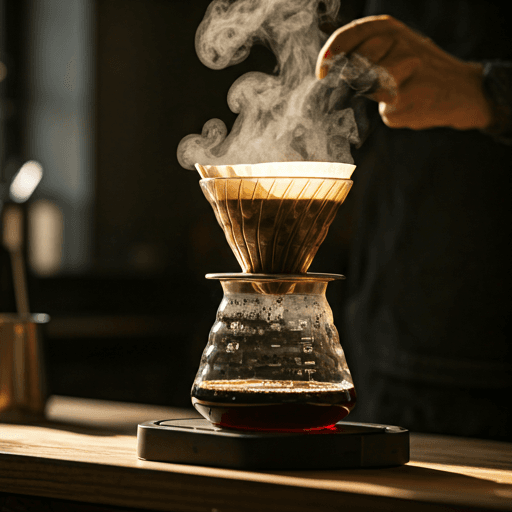
The short version of the coffee and cortisol question is this: cortisol is your body's natural "wake up and get moving" hormone, caffeine can nudge it up a little, and that is the reasoning behind the popular advice to wait an hour or two after waking before your first cup. But the evidence is genuinely mixed, the effect tends to fade as habitual drinkers build tolerance, and for most healthy people the timing of that first coffee is a minor personal-preference tweak rather than a hard rule.
Below is a calm, non-hype look at what cortisol is, whether coffee really raises it, where the "wait 60 to 120 minutes" idea comes from, and the levers that actually matter more. Responses vary from person to person, and none of this is medical advice — if cortisol or stress is a health concern for you, talk to your own healthcare provider.
What cortisol actually is
Cortisol has a bad reputation as "the stress hormone," but that is only half the story. Cortisol is a steroid hormone made by your adrenal glands, and it follows a daily rhythm: it rises sharply in the early morning to help you wake up and feel alert, stays busy through the day managing energy, blood pressure and metabolism, and drifts down to its lowest point around the middle of the night. That early-morning surge — often called the cortisol awakening response — usually peaks within the first 30 to 45 minutes after you open your eyes.
In other words, cortisol is not a villain to be eliminated. It is a normal, useful part of being awake and functioning. Short-term bumps in cortisol — from exercise, a cold shower, a deadline, or a strong coffee — are ordinary. The worry people raise is really about chronically elevated cortisol from ongoing stress and poor sleep, which is a much bigger conversation than your morning brew.
Does coffee raise cortisol?
Does coffee increase cortisol? Studies suggest it can — modestly and temporarily. Caffeine, the active compound in coffee, may trigger a small, short-lived rise in cortisol, particularly in people who do not drink it regularly. (For the full story on what caffeine is and how it works in the body, see our guide to caffeine.)
The key word is tolerance. Research on caffeine and cortisol repeatedly finds that the hormonal response shrinks — sometimes almost disappears — in habitual coffee drinkers, whose bodies adapt to a daily dose. So the person most likely to feel a real caffeine-driven cortisol bump is an occasional drinker having an unusually strong cup, not someone on their usual mug of the week. The size of any rise also depends on dose, timing, individual sensitivity and how stressed or well-rested you already are. That is why blanket claims that "coffee spikes your cortisol" are overstated: the effect is real in some contexts and faint-to-absent in others.
The popular "wait 60 to 120 minutes" idea
The most common piece of coffee cortisol morning advice goes like this: because your natural cortisol is already peaking in the first hour after you wake, drinking coffee right then "stacks" caffeine on top of that peak — supposedly blunting caffeine's benefit and adding an unnecessary hormonal nudge. The suggested fix is to delay your first cup by roughly 60 to 120 minutes, until the natural surge has passed, so the caffeine has more to "work with."
It is a tidy theory, and there is a grain of logic to it. But be honest about the evidence: it is limited. Much of the popular version is extrapolated from a handful of small studies rather than proven head-to-head, and — as above — tolerance blunts the cortisol response in regular drinkers anyway. There is no strong proof that waiting an hour meaningfully changes your health, your energy, or your cortisol curve over the long run. So the best time to drink coffee for cortisol reasons is far less settled than confident social-media posts imply. If delaying feels good, great; if it makes no difference for you, you are not doing anything wrong by drinking coffee when you wake.
| Common claim about coffee and cortisol | What the evidence actually suggests |
|---|---|
| "Coffee spikes your cortisol." | Caffeine can cause a modest, temporary rise — but mainly in non-habitual drinkers; the effect fades with regular use. |
| "You must wait 60 to 120 minutes after waking." | A reasonable-sounding idea with limited evidence; tolerance blunts it, and there is no strong proof it changes long-term health. |
| "Morning coffee is bad because cortisol is already high." | Cortisol peaking in the morning is normal and healthy; a short bump on top is not inherently harmful for most people. |
| "Coffee raises cortisol the same for everyone." | The response varies a lot by tolerance, dose, sleep, stress and individual sensitivity. |
| "Cutting coffee will lower my stress hormones." | For habitual drinkers the day-to-day caffeine effect is small; sleep and overall stress matter far more. |
Who might care more about caffeine and cortisol
For most healthy adults, coffee's effect on cortisol is a non-issue. A few groups may reasonably pay more attention to caffeine and cortisol, though — not because of proven harm, but because they tend to be more sensitive to caffeine in general:
- People who are very stress-sensitive or anxiety-prone. If coffee reliably leaves you jittery, wired or on edge, the reason to adjust is how you feel, not a cortisol number.
- Poor sleepers. If your sleep is already fragile, caffeine's timing and total amount matter more — mostly for sleep's sake, which in turn shapes your whole stress picture.
- Occasional drinkers. Because tolerance blunts the response, people who rarely have caffeine may notice a bigger, more obvious buzz — and bump — from a strong cup.
If any of that sounds like you, experimenting with timing and quantity is sensible. Just keep expectations realistic: you are fine-tuning comfort, not treating a medical condition.
The bigger levers that matter more
If you actually want steadier energy and a calmer stress response, the coffee-timing question is a small dial next to a few large ones:
- Sleep. Nothing on this page competes with getting enough good sleep. Under-sleeping does far more to your daily rhythm than the minute you drink your coffee.
- Total daily amount. How much caffeine you have across the day — and how late — usually matters more than the exact hour of the first cup. Our note on how long caffeine lasts is a useful reality check for afternoon cups.
- Not drinking it jittery on a truly empty stomach. Some people feel calmer pairing coffee with food; if that is you, see coffee on an empty stomach for the fuller picture.
- What is in the cup. Sugary, oversized drinks can add their own energy swings that then get blamed on cortisol.
Coffee and cortisol: a practical, low-stakes takeaway
Here is the honest bottom line on coffee and cortisol. Cortisol is a normal hormone that peaks in the morning; caffeine can nudge it up a little, mostly in people who do not drink coffee often; and the fashionable "wait an hour or two" rule is plausible but weakly supported. The best time to drink coffee, from a cortisol standpoint, is far less important than sleeping well, keeping your total intake sensible, and paying attention to how you personally feel.
If you are curious, run a gentle experiment: for a week, delay your first cup by an hour and notice whether you feel steadier, then compare it to your normal routine. It costs nothing and tells you more than any headline. For a broader look at building a calmer start to the day, see our morning coffee rituals. And remember — responses vary from person to person, this is general information rather than medical advice, and anyone with specific concerns about cortisol, stress or overall health should check with their own healthcare provider.