
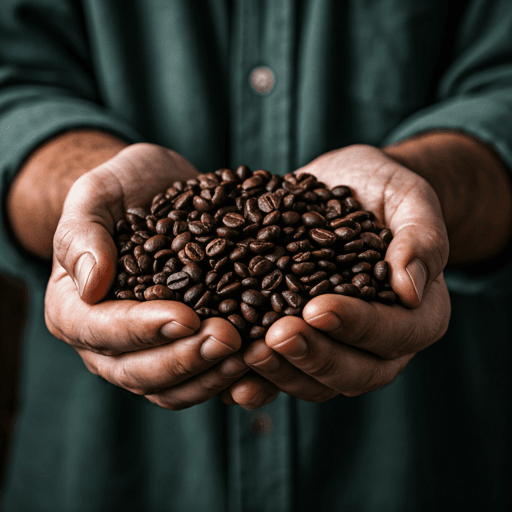
Coffee processing methods are the techniques farms use to remove the fruit of the coffee cherry from the seed — the bean — after picking and before roasting. They are one of the biggest reasons two coffees from the same region can taste completely different. The three main coffee processing methods are washed (clean, bright and crisp), natural or dry (fruity, sweet and bold), and honey or pulped-natural (a syrupy, rounded middle ground).
Below is how each method actually works out on the farm, why the choice shapes flavour so dramatically, and how to read the process label printed on a bag of beans.
Why coffee processing matters
Every coffee bean starts life as the seed inside a small fruit called a coffee cherry. Before that seed can be roasted, the fruit and its sticky inner layers have to come off — and how that fruit is removed and dried is what we mean by processing. It happens on the farm or at a nearby mill, long before the beans ever reach a roaster, so the method is effectively baked into the raw material that every roaster and barista works with afterward.
Alongside origin (where the coffee grew), variety (the plant's genetics) and roast level, processing is a top flavour driver. The same batch of cherries can become a crisp, tea-like cup or a jammy, wine-like one purely based on the method chosen. For the wider picture of what happens before this stage, see how a coffee farm works and the anatomy of the coffee cherry itself. Because it is a form of coffee bean processing that permanently marks the raw seed, there is no undoing it later in the chain.
Washed / wet process
In the washed (or wet) process, the outer skin and most of the fruit pulp are mechanically stripped off soon after picking. The de-pulped beans, still coated in a sticky layer called mucilage, are then fermented in tanks for a number of hours so that layer breaks down, rinsed clean with water, and finally dried as bare parchment-covered seeds on patios or raised beds.
Because the fruit is removed early, very little of the cherry's sugar transfers into the seed during drying. The result is a cup that tastes clean, crisp and transparent, usually with higher, brighter acidity and a clear view of the underlying origin and variety. Washed coffees are the backbone of many classic profiles from Colombia, Kenya, the highlands of Central America and washed Ethiopian lots. The trade-off is that the method is water- and equipment-intensive, which is one reason not every region relies on it.
Natural / dry process
The natural (or dry) process is the oldest method of all: whole cherries are laid out in the sun to dry with the fruit completely intact, usually on patios or raised beds, and turned regularly over one to several weeks to prevent mould before the dried husk is finally hulled off the seed.
As the fruit slowly dries around the bean, its sugars and aromatics seep inward. Natural process coffee tends to taste fruity, sweet and wine-like, with a heavier body and lower acidity than a washed lot — think blueberry, strawberry or overripe stone fruit. When drying is uneven it can turn funky or fermented-tasting, so consistency takes skill. The natural method is traditional in Ethiopia, much of Brazil and Yemen, and it is enjoying a strong revival among specialty producers.
The washed vs natural coffee split is the clearest fork in the road: washed prizes clarity and acidity, natural prizes sweetness and fruit. Neither is objectively better — they are simply different flavour philosophies.
Honey / pulped-natural process
Honey process coffee sits between the two. The outer skin is removed like a washed coffee, but instead of washing off the sticky mucilage, some or all of it is left clinging to the bean while it dries. The name has nothing to do with honey flavour; it refers to the sticky, tacky feel of the drying beans. This pulped-natural style is closely associated with Costa Rica and El Salvador.
Leaving the mucilage on lets some fruit sugar reach the seed without the full intensity of a natural. The cup is typically balanced, syrupy and rounded, sweeter than a washed coffee but cleaner than a natural, often with a softer, gentler acidity.
Honey shades: yellow, red and black
You will sometimes see honey coffees labelled by colour. Roughly speaking, the shade reflects how much mucilage was left on and how quickly the beans were dried: yellow honey keeps less mucilage and dries fastest in more sun (lighter, cleaner), red honey keeps more and dries more slowly, and black honey keeps the most mucilage and dries slowest, often under shade, for the deepest, most intense sweetness. These are general tendencies rather than strict rules, and naming varies by producer.
Other coffee processing methods
Beyond the big three, several other methods turn up on labels. In wet-hulling (giling basah), common on Sumatra, the beans are hulled while still damp and then finished drying, producing an earthy, full-bodied, low-acid cup. Anaerobic and carbonic-maceration lots ferment the cherries in sealed, oxygen-free tanks to build intense, sometimes boozy or wildly fruity flavours. A whole family of experimental fermentations — from extended ferments to added cultures — is increasingly common in specialty coffee, though results vary a lot from producer to producer, so treat the flavour promises on the bag as a guide rather than a guarantee.
Coffee processing methods at a glance
| Method | What happens on the farm | Typical flavour |
|---|---|---|
| Washed / wet | Skin and pulp stripped off, beans fermented then rinsed clean, dried as bare seeds | Clean, crisp, brighter acidity, clear origin character |
| Natural / dry | Whole cherries dried in the sun for weeks, then the dry husk is hulled off | Fruity, sweet, wine-like, heavier body, lower acidity |
| Honey / pulped-natural | Skin removed but sticky mucilage left on the bean to dry | Balanced, syrupy, rounded sweetness, softer acidity |
| Wet-hulled | Beans hulled while still damp, then finished drying | Earthy, full-bodied, low acidity |
| Anaerobic / experimental | Cherries fermented in sealed, oxygen-free tanks | Intense, funky, sometimes boozy or very fruity (variable) |
How to read a process label
Most specialty bags name the process somewhere near the origin and variety. Look for words like washed, fully washed or wet; natural, dry or dried in the cherry; honey, pulped natural or miel; and wet-hulled, giling basah or anaerobic for the less common styles. Pair the process with the origin to set your expectations: a washed Kenyan and a natural Ethiopian will taste worlds apart even before you consider the roast.
Processing is applied to the green (unroasted) beans that a roaster buys, and it is a big part of what tasters are assessing when they score a lot during coffee cupping. If a coffee excites or disappoints you, the process label is often the first clue as to why. Comparing the same origin across two processes is one of the fastest ways to train your palate.
There is no single best method — only the flavour you happen to enjoy. Washed for clarity, natural for fruit, honey for a sweet middle path, and the experimental lots for adventure. Next time you brew, glance at the process on the bag and taste with it in mind; once you start noticing it, coffee gets a great deal more interesting.