
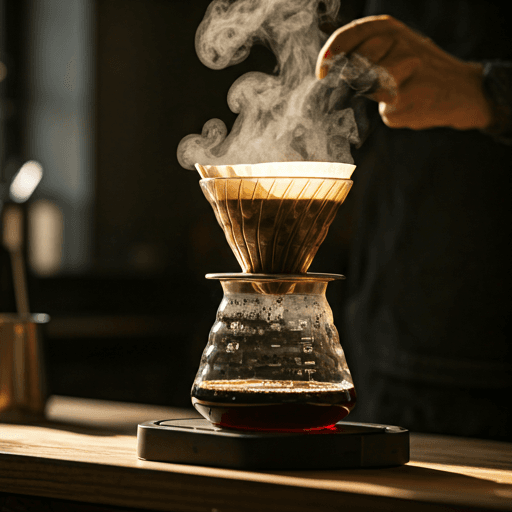
The link between coffee and kidney stones is more reassuring than many people expect. Large population studies actually associate regular coffee — caffeinated and decaf — with a somewhat lower risk of forming stones, most likely because the extra fluid helps you make more urine, and more dilute urine. That said, coffee does contain some oxalate, a building block of the most common stones, and its mild diuretic nudge means it should never fully replace plain water across your day.
So the short answer to the question "does coffee cause kidney stones?" is: on current evidence, probably not — and for most people it may even sit on the helpful side of the ledger. But this is an association, not a treatment, and a small number of people are advised to keep an eye on it. Here is the balanced, hedged picture. Responses vary from person to person, and none of this is medical advice.
The surprising research on coffee and kidney stones
Several large, long-running studies that tracked tens of thousands of people over many years have found that those who drank more coffee tended to develop fewer kidney stones than those who drank little or none. Researchers have reported the same direction of effect for decaffeinated coffee, which is a useful clue: if plain decaf shows a similar link, then caffeine is unlikely to be the main driver. Reviews that pool these studies generally describe coffee as one of the beverages associated with a modestly lower stone risk, sitting alongside plenty of water.
It is worth being clear about what "associated with" means here. These are observational findings — they show a pattern across populations, not proof that a single cup prevents a stone in any one person. People who drink coffee may differ in other ways, and researchers try to adjust for that, but no study is perfect. Read the coffee-and-stones research as gently reassuring rather than as a prescription, and keep it in the wider context of whether coffee is good for you.
Why more fluid may mean fewer stones
The most likely reason comes down to plumbing. Kidney stones form when certain minerals in the urine become concentrated enough to crystallise and clump together. The single most reliable way to lower that risk is to keep the urine dilute by drinking enough fluid, so there is simply less opportunity for crystals to take hold. Coffee is mostly water, so each cup adds to your daily fluid intake and helps keep things flushed through.
That is the mechanism most researchers point to when they try to explain the lower stone risk seen in coffee drinkers: more fluid in, more urine out, and a lower concentration of the minerals that build stones. It is the same reason "drink more water" is usually the first piece of advice anyone with a history of stones hears. Some researchers also note that coffee carries natural compounds such as citrate that may play a supporting role, though hydration is the clearest and best-established piece of the puzzle.
The oxalate caveat
Here is the wrinkle. The most common kidney stones are made of calcium oxalate, and coffee does contain some oxalate. That has led to a fair question — is coffee bad for kidney stones because of its oxalate content? For most people the honest answer is that the amount per cup is fairly modest, especially next to genuinely high-oxalate foods like spinach, beets, nuts and rhubarb. In the big studies, coffee's small oxalate load did not appear to outweigh the benefit of the extra fluid.
Even so, oxalate is real, and some people who repeatedly form calcium-oxalate stones are advised to watch their total oxalate intake across everything they eat and drink. If that is you, coffee is one item among many to mention — not a villain to single out, but not invisible either. Whether the coffee, kidney stones and oxalate math works out in your favour is exactly the kind of individual call that belongs with your own healthcare provider.
The diuretic and hydration balance
Caffeine has a mild diuretic effect, meaning it can nudge the kidneys to pass a little more urine. People sometimes worry this cancels out the fluid in the cup and leaves them drier. In practice the effect tends to be small for habitual drinkers, and the water in the coffee more than makes up for it, so a regular cup still counts toward your fluids for the day. We unpack that trade-off in our guide to whether coffee is a diuretic.
The practical takeaway is simple: the caffeine and kidney stones question mostly comes back to hydration, so enjoy your coffee but do not let it be the only thing you drink. Dehydration is one of the clearest, best-established risk factors for stones, so plain water should stay the backbone of your day, with coffee alongside it rather than instead of it.
What matters more than coffee
For stone risk, a handful of habits carry far more weight than whether your cup is coffee, decaf or tea. Total daily fluid is the big one. After that, most general guidance points to a diet that is not too high in salt (which pushes more calcium into the urine), not overloaded with sugary drinks, and reasonable in animal protein — with enough dietary calcium from food, which can actually bind oxalate in the gut before it reaches the kidneys. How much coffee fits comfortably into a day is a separate question we cover in how much caffeine per day, and the answer varies from person to person.
Coffee and kidney stones at a glance
| Factor | Likely effect on kidney-stone risk |
|---|---|
| Regular caffeinated coffee | Associated with modestly lower risk in large studies (extra fluid, more dilute urine) |
| Decaf coffee | Also linked with lower risk, suggesting the fluid — not caffeine — is the main factor |
| Coffee's oxalate content | Modest per cup; a minor contributor to calcium-oxalate stones, small next to high-oxalate foods |
| Caffeine's mild diuretic effect | Small for regular drinkers; still keep drinking plain water alongside |
| Added sugar and sweet syrups | No stone benefit; heavy sugary-drink intake is linked with higher risk in some studies |
| Overall daily hydration | The biggest lever — more total fluid generally means lower risk |
| Dehydration | A well-established risk factor for forming stones |
| High dietary salt | Raises urine calcium; associated with higher stone risk |
Who should be cautious
People who have already had a kidney stone, who form stones often, or who have been placed on a fluid restriction for a heart or kidney condition are the main groups who should not just take the "coffee is fine" headline and run with it. For them, the right amount of any drink — coffee included — is a conversation with a doctor, not a rule of thumb from an article.
Decaf is often suggested for those who want the ritual with less caffeine; it appears to share coffee's fluid benefit, and you can read more about how it is made in our decaf coffee guide. Responses vary, and this is not medical advice — if you have had kidney stones or have a kidney or heart condition, ask your healthcare provider before making coffee a bigger part of your day.
The bottom line
For most healthy people, coffee and kidney stones make surprisingly peaceful company: the evidence leans mildly protective, the oxalate is modest, and the real work is done by staying well hydrated overall. Keep the water flowing, treat coffee as a welcome part of your fluid intake rather than a cure or a culprit, and bring any personal history of stones to the people who know your health best.