
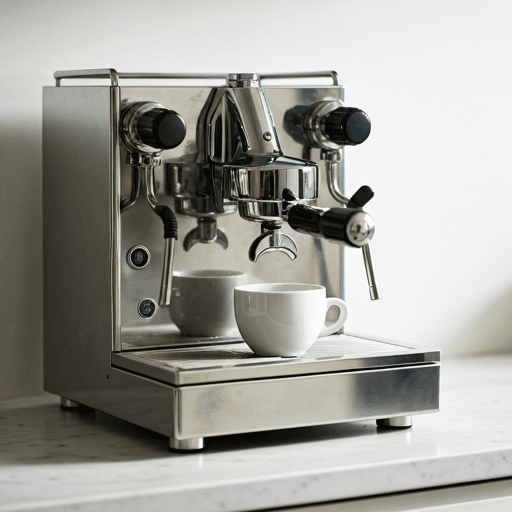
The best coffee machines for home fall into five broad families: drip and filter machines, pod or capsule machines, pump espresso machines, bean-to-cup automatics, and manual brewers. Which one is right for you depends almost entirely on what you actually drink and how much effort you enjoy putting in, not on price or features alone. A household that wants a pot of clean black coffee before work needs something very different from a couple who live for cappuccinos. This guide maps every main type, explains who each one suits, and points you to deeper guides on the categories that catch your eye.
We are not ranking models or naming a single winner. Instead, this is the by-type overview hub: compare the families side by side, find the one that fits your routine, then read the focused guide for it. Once you know the category, picking a specific home coffee machine gets a lot easier.
How to choose a coffee machine for home: start with what you drink
Before you compare a single product, answer a few honest questions. They narrow the field fast and stop you buying a coffee maker for home that ends up gathering dust in a cupboard.
- What do you drink? Black filter coffee by the mug, or milky espresso drinks like cappuccino, latte and flat white? This is the single biggest fork in the road, because the machine that makes a great pot of filter coffee is not the machine that pulls espresso.
- Effort versus control. Do you want to press one button and walk away, or do you enjoy weighing beans, grinding, tamping and dialling in a shot? A fussy method you never use is wasted money; an over-simple one can leave a keen drinker bored.
- Counter space. Measure your worktop, including the height under the cupboards. Bean-to-cup machines and prosumer espresso setups have a real footprint; a pod machine or a manual brewer needs almost none.
- Household size. One cup at a time, or a full pot for a busy morning with guests? Capacity and brew speed matter more as the household grows.
- Maintenance. Every machine that touches water needs descaling, and milk systems need cleaning after every use. Be realistic about how much upkeep you will actually do.
- Budget. Coffee machines span an enormous range, from very affordable manual brewers to premium automatics, and prices vary by country and retailer. Think in tiers — entry-level, mid-range, premium — and remember running costs: pods and paper filters add up over the years, while a French press needs almost nothing beyond coffee.
Hold those answers in mind as you read the categories below. Most people find one or two types stand out within a minute.
Coffee machines for home compared at a glance
Here is the quick map of the five families. Use it to shortlist, then read the detailed section for the ones you like.
| Type | What it makes | Effort | Best for |
|---|---|---|---|
| Drip / filter machine | Batches of clean, balanced black coffee | Low | Households, daily pots, set-and-forget |
| Pod / capsule | One consistent cup at a time | Very low | Convenience, variety, minimal cleanup |
| Pump espresso | Espresso and milk drinks, hands-on | Medium-high | Cappuccino and latte fans who want to learn |
| Bean-to-cup automatic | Fresh-ground espresso and lattes at a button | Low | One-touch milk drinks, busy homes and offices |
| Manual brewers | Single cups with maximum control | Varies | Lowest cost, most control, least gear |
Drip and filter machines: the easy daily workhorse
A drip machine is the classic countertop coffee maker for home. You add water to a reservoir and ground coffee to a filter basket; the machine heats the water and showers it over the grounds, and brewed coffee drips into a carafe below. A pot usually takes about five to ten minutes, and many models have a timer so a fresh batch is waiting when you wake up.
This is the right pick if you mostly drink black coffee and want to brew several cups at once with no skill required. The cup is clean and familiar rather than dramatic, which is exactly what most people want every day. Look for a model with a showerhead that wets the grounds evenly, a thermal carafe if you want coffee to stay hot without stewing on a hotplate, and a brew-strength setting if you like a little control. Drip is also where budget stretches furthest, so it is a sensible default for a first machine. Our guides to the best coffee makers and to affordable coffee machines go deeper on what separates a good drip brewer from a forgettable one.
Pod and capsule machines: maximum convenience
Pod machines brew one cup from a sealed capsule. You drop in a pod, press a button, and a fresh cup arrives in under a minute with almost no cleanup. Consistency is the headline: every cup tastes the same, and you can switch between coffee styles, and often between espresso and longer drinks, just by changing the pod. Many systems froth milk too, so a capsule machine can make a passable cappuccino without any technique.
They suit people who want speed and zero fuss, small households, or homes where everyone drinks something different. The trade-offs are ongoing per-cup pod cost, more packaging waste, and less control over strength and freshness than grinding your own beans, though reusable capsules and recyclable or compostable options keep growing. Platforms differ a lot in pod range, drink sizes and milk options, so it pays to compare before you commit to an ecosystem. See our guide to the best pod and capsule coffee machines for how the main systems stack up.
Pump espresso machines: hands-on shots and milk drinks
A pump espresso machine forces hot water through finely ground, tightly tamped coffee at high pressure — around 9 bar at the puck — in roughly 25 to 30 seconds. The result is a small, intense shot topped with crema, and it is the base for cappuccino, latte, flat white, macchiato and Americano. If milk-based cafe drinks are your goal and you want to make them yourself, this is the category to look at.
Espresso asks more of you than any other machine type. You will want a quality grinder (budget for it as part of the purchase, not an afterthought), and there is a real learning curve to dialling in the grind, dose and tamp, plus practice to steam milk with a wand. Machines run from manual lever models through semi-automatics, which are the sweet spot for most home enthusiasts. Because there is so much to weigh up — heating system, milk option, portafilter size — espresso has its own decision framework in how to choose an espresso machine. If you want espresso and a normal pot of filter coffee from one footprint, look at drip and espresso combo machines, which do both but compromise a little on the espresso.
Bean-to-cup automatics: fresh-ground coffee at a button
A bean-to-cup machine, also called a super-automatic, automates the whole chain. It has a built-in burr grinder, doses and tamps internally, extracts the shot, and on many models steams or froths milk automatically too. You add whole beans and water, press a button for espresso, cappuccino or latte, and walk away. For the convenience of a pod machine with the freshness of beans ground per cup, nothing else comes close.
The trade is control and ceiling: you cannot fine-tune the puck the way a barista does, so the very best cup a skilled espresso setup can produce stays out of reach. Bean-to-cup machines also sit at the mid-range to premium tier and have the largest footprint and the most cleaning, since the brew unit and milk system both need regular care. But for a busy household, a shared office, or anyone who values one-touch milk drinks over tinkering, they are hard to beat. Read the bean-to-cup coffee machine guide for what to look for, and if a built-in milk system is the deciding feature, our guide to coffee machines with a milk frother compares steam wands, automatic carafes and bundled frothers.
Manual brewers: the cheapest, most hands-on route
Manual brewers are not machines at all, which is the point. A moka pot, French press, AeroPress or pour-over dripper makes excellent coffee with no electronics, almost no counter space and the lowest cost of any category. A French press steeps coarse grounds and gives a rich, full-bodied cup; a moka pot makes strong, espresso-style coffee on the hob; pour-over rewards a careful hand with a clean, bright cup; the AeroPress is fast, forgiving and travel-friendly.
These suit people who enjoy a short ritual, want maximum control, or simply want great coffee without a big appliance. The catch is that you do the work each time, and most need a separate kettle and a decent grinder to shine. If a manual method appeals, it slots neatly alongside any machine above as a cheap, low-commitment way to explore different cups.
What to look for: a home coffee machine checklist
Once a category stands out, run through this short list before you buy. It catches the things people most often regret.
- Footprint and height. Confirm the machine fits your worktop and clears the cupboard above, including the lid or hopper when open.
- Capacity for your household. A solo drinker is well served by a pod or single-cup brewer; a family wants a full-carafe drip machine or a fast bean-to-cup.
- The grinder question. For any machine where you grind your own beans, a good burr grinder matters as much as the machine itself. A modest brewer with a quality grinder beats an expensive machine fed by a poor one. Built-in grinders (on bean-to-cup units) save space, but check the grind is genuinely fine and adjustable enough.
- Milk system, if you drink milky drinks. Decide whether you want to learn texturing with a steam wand or prefer an automatic one-touch carafe. A separate milk frother is another route that works with almost any machine.
- Maintenance you will actually do. Every machine needs descaling on a schedule that depends on your water hardness, and milk parts need cleaning after every use. Removable, dishwasher-safe parts and a self-rinse cycle make this painless.
- Running costs. Pods and paper filters are an ongoing expense; beans and a reusable filter cost less per cup over the years. Factor this in alongside the purchase price.
- Budget tier, not a number. Spend where it matters for the cup you want. Entry-level is plenty for good drip or pod coffee; mid-range to premium buys grinding, milk automation and durability. Prices vary widely by country and retailer, so judge by tier.
Matching the machine to you: quick decision shortcuts
Bring it back to what you drink and how much you want to do. These shortcuts cover most people.
- Easy daily black coffee for a household: a drip or filter machine.
- One quick cup with no cleanup or learning: a pod or capsule machine.
- Cappuccinos and lattes you make yourself, and you enjoy the craft: a pump espresso machine plus a good grinder.
- Milk drinks at the touch of a button with fresh-ground beans: a bean-to-cup automatic.
- Lowest cost, most control, least gear: a manual brewer such as a French press, moka pot or AeroPress.
- You want espresso and a normal pot from one machine: a drip-and-espresso combo.
Whichever route you take, two upgrades improve almost any setup more than the machine itself: fresh, well-stored beans and a grind that matches the method. Buy for the cup you genuinely drink, not the one you imagine you might.
The bottom line
Choosing among coffee machines for home is really about choosing a cup and a routine. Decide what you drink, how much effort you want, how much space and budget you have, and let those answers point you to the right family. From there you can dig into the specific type with far less guesswork. If you would like the decision laid out as a step-by-step walk-through across every brewing method, see how to choose a coffee maker, and keep exploring brewing in our coffee hub.