
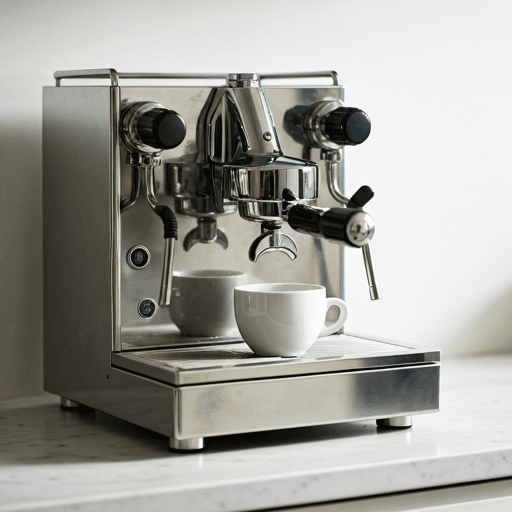
The best capsule coffee machines are not really about one machine at all. Because every pod is proprietary, the real decision is which system you commit to, since each one locks you into its own capsule ecosystem. Pick the system whose drinks, pod range, and trade-offs fit how you actually drink coffee, and the right machine within it almost chooses itself.
This is a cross-system chooser. We name real systems and well-known pods as factual examples, not endorsements, and we never rank a single winner, because the "best" system genuinely depends on whether you want true espresso, a long black, milky cafe drinks, or sheer variety. For a deep dive on any one brand, we link the per-system guides as we go.
Why "best capsule coffee machines" really means "best system"
A capsule coffee machine is engineered around a specific pod shape, and that pod is patented. Buy the machine and you are buying into its capsule supply for years. So when people search for the best capsule coffee machines or the best coffee pod machines, the smarter question is: which pod ecosystem do I want to live in?
That ecosystem determines four things that matter far more than the body of the machine: the drinks you can make, how much pods cost and how easy they are to find, what milk options you get, and how recyclable or refillable the spent pods are. A beautiful pod coffee machine attached to a thin, expensive, hard-to-find pod range is a worse buy than a plain one attached to a deep, affordable, widely stocked range.
The main pod and capsule systems, by what they do
Nespresso Original (espresso-style, the widest pod choice)
Nespresso Original is the classic small-capsule, high-pressure system. The machine forces hot water through finely packed coffee at around 19 bar to pull a concentrated, crema-topped shot in ristretto, espresso, or lungo sizes. Its biggest practical advantage is choice: because Original capsules are not locked by a barcode, a huge market of third-party and compatible pods exists alongside Nespresso's own, including supermarket own-brands and pods from coffee chains. That keeps pod cost down and availability high. Milk drinks are made on the side, often with a separate frother such as an Aeroccino, rather than from the machine itself. See the Nespresso machine guide and Nespresso pods and capsules explained for the full Original lineup.
Nespresso Vertuo (espresso to mug, barcode-controlled)
Vertuo is Nespresso's second, incompatible system. Instead of high-pressure extraction it uses centrifusion: the capsule spins at high speed while water is injected, and a barcode printed on each pod's rim tells the machine how fast to spin, how much water to use, and at what temperature. That lets one machine brew everything from a small espresso to a large mug-sized coffee with a thick crema. The trade-off is lock-in: Vertuo pods are barcoded and almost entirely first-party, so you cannot shop a wide third-party market the way Original users can. Choose Vertuo if you want both espresso and big American-style cups from one button, and you do not mind buying mostly from Nespresso.
Dolce Gusto (the whole cafe menu, including milk drinks)
Nescafe Dolce Gusto uses a larger capsule and aims at variety rather than pure espresso. Its range covers black coffee, cappuccinos, lattes, flat whites, hot chocolate, and even some teas, often using a separate milk pod (frequently powdered or concentrated milk) paired with a coffee pod. It is a strong pick for households where people want different drinks, and the pod range is widely stocked with compatible options from other brands too. The catch is that capsule-made milk drinks will not match the texture of freshly steamed milk. Our Dolce Gusto pod machine guide covers the models and capsule range.
Keurig / K-Cup (single-serve "cup of coffee," huge in North America)
Keurig is built around the K-Cup and is the dominant single-serve system in North America. It is not an espresso system; it brews a quick filter-style mug of coffee at low pressure, with an enormous K-Cup catalog spanning hundreds of roasts, flavored coffees, teas, and brands (illy, for example, sells K-Cup pods). If your goal is a fast, varied cup of regular coffee rather than a true espresso, Keurig's breadth is hard to beat. The Keurig coffee maker guide walks through the machine range and pod sizes.
Tassimo, Lavazza, and Illy (specialist ecosystems)
A few systems serve narrower niches. Tassimo reads a barcode on its T-Disc pods and uses a two-pod approach (a coffee disc plus a milk disc) for whole milky drinks, but it is a closed system that takes only official T-Discs. Lavazza runs two of its own systems, A Modo Mio (espresso-focused, mostly without a built-in frother) and Lavazza Blue. Illy's iperEspresso uses a two-stage capsule designed to build a dense crema, aimed at people who want one house Italian blend done consistently. These are great if you love a specific brand's coffee, but each has a smaller pod universe than Nespresso, Dolce Gusto, or Keurig.
Capsule coffee machine systems compared at a glance
| System | Drinks it suits | Pod ecosystem | Best for |
|---|---|---|---|
| Nespresso Original | Espresso, ristretto, lungo; milk on the side | Very wide: first-party plus many third-party/compatible | Espresso lovers who want pod choice and lower pod cost |
| Nespresso Vertuo | Espresso through to large mug coffee | Barcode-locked, mostly first-party | One machine for both espresso and big cups |
| Dolce Gusto | Black coffee plus cappuccino, latte, chocolate, some teas | Wide, with compatible options | Households wanting variety and easy milk drinks |
| Keurig / K-Cup | Quick filter-style mug of coffee (not espresso) | Enormous K-Cup catalog | Fast, varied regular coffee, North American availability |
| Tassimo | Milky drinks via two-pod system | Closed, T-Discs only | Hands-off cappuccinos and lattes from pods |
| Lavazza / Illy | Espresso-based, single house style | Smaller, brand-specific | Loyalty to one Italian roaster's blend |
How to choose a pod coffee machine: what to look for
Once you understand that the system is the real choice, a short checklist narrows it fast.
- What you actually drink. True espresso and ristretto point to Nespresso Original or Vertuo, or Lavazza/Illy. A big mug of regular coffee points to Vertuo or Keurig. Frequent lattes and cappuccinos point to Dolce Gusto or Tassimo, or to an Original machine paired with a separate frother.
- Pod cost and availability. Check whether the system allows third-party or supermarket-compatible pods (Original, Dolce Gusto, Keurig generally do) or locks you to first-party only (Vertuo, Tassimo). Open systems usually mean cheaper, easier-to-find pods over the machine's life. Think in qualitative terms, entry-level versus premium, rather than chasing a price.
- Milk options. Decide between built-in milk (Dolce Gusto, Tassimo, or a machine with an attached frother), a separate frother such as an Aeroccino alongside an espresso machine, or none at all. Pod-made milk rarely matches fresh steamed milk; a standalone milk frother is the upgrade if texture matters to you.
- Size and speed. Compact machines suit small kitchens and fast mornings; larger ones offer bigger water tanks and more cup sizes for a busy household.
- Recyclability and waste. This is the honest downside of all pod systems. Some brands run capsule recycling programs and some pods are aluminium (more widely recyclable) versus plastic. Reusable, refillable pods exist for several systems, letting you fill your own ground coffee and cut both cost and waste.
The lock-in trade-off, stated plainly
Every pod and capsule machine trades freshness, cost, and waste for convenience and consistency. You get a clean, repeatable cup at the push of a button with no grinding, dosing, or cleanup, which is exactly why these systems are popular. In return you pay more per cup than buying beans, you generate spent capsules, and your coffee is only as fresh as a sealed pod allows. Open systems (Original, Dolce Gusto, Keurig) soften the cost-and-supply side; closed ones (Vertuo, Tassimo) trade that flexibility for tightly controlled, consistent results.
If you value freshness and lowest cost per cup above all, a non-pod brewer may suit you better. If you value a fast, identical cup every time with zero fuss, a pod system earns its place, just choose the ecosystem deliberately.
Reusable pods and reducing waste
If the waste bothers you but you love the convenience, look at refillable pods. Stainless-steel or BPA-free reusable capsules are made for several systems, especially Keurig and Nespresso Original, and let you pack your own freshly ground coffee. They cut per-cup cost, give you control over the roast and grind, and dramatically reduce single-use capsules. Pair one with a decent grinder, and your pod machine doubles as a flexible everyday brewer. Our coffee grinder guide explains how grind size changes the cup.
Bringing it together
There is no single best pod coffee machine, only the best system for your cup. Espresso purists who want pod choice lean Nespresso Original; one-machine-does-it-all households lean Vertuo or Keurig; latte-and-cappuccino kitchens lean Dolce Gusto or Tassimo; brand loyalists lean Lavazza or Illy. Match the ecosystem to your drinks, weigh pod cost and recyclability honestly, and the machine follows. From here, the per-system guides go deeper on models and pods: the Nespresso machine guide, the Dolce Gusto guide, and the Keurig guide are the natural next reads.