
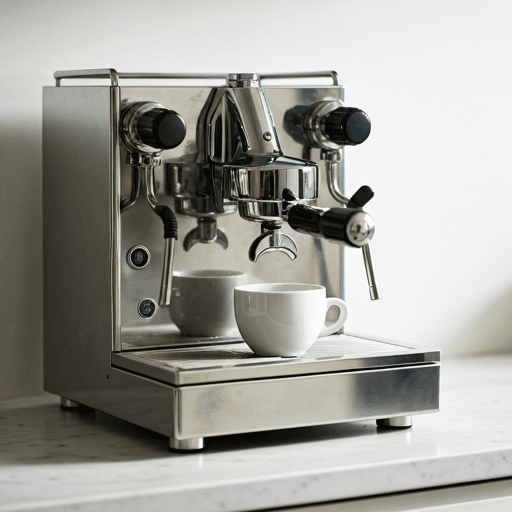
A bean to cup coffee machine is an automatic espresso machine with a built-in grinder: you load whole beans (plus water, and milk on many models), press a button, and it grinds, doses, tamps, brews and often froths your milk automatically, fresh for every cup. It is the most hands-off way to get genuine espresso-based drinks at home. This guide explains how these machines work, who they suit, their pros and cons, and exactly what to compare before you buy.
What a bean to cup coffee machine actually does
Think of it as a tiny automated barista inside one box. When you select a drink, the machine grinds fresh beans on demand, doses the right amount of grounds, tamps them, and forces hot water through under pressure to pull a shot. On models with a milk system, it then heats and froths milk for a cappuccino, latte or flat white. Everything happens in one continuous, mostly untouched sequence, usually in well under a minute.
The defining feature is that integrated grinder. Because the beans are ground per cup rather than sitting pre-ground in a bag, the aromatics are fresher and the cup tastes livelier. Ground coffee starts losing its volatile aromas within minutes of grinding, so a machine that grinds at the moment of brewing has a real, tastable advantage over anything pre-ground. If you want to understand why fresh grinding matters so much, our coffee grinder guide covers the principle in depth.
The core sequence, step by step
- Grind: Whole beans drop from the hopper into a burr grinder and are ground to an espresso-fine setting (usually adjustable).
- Dose and tamp: The machine measures the grounds into the brew unit and compresses them automatically.
- Brew: Hot water is pushed through the puck under pressure to extract the espresso.
- Froth (milk models): A wand or automatic milk system steams and textures milk for your chosen drink.
- Eject and rinse: The spent puck drops into an internal grounds bin and the brew path rinses itself.
The whole point is that you supply only beans and water (and milk if you want it), and the machine handles every step that a human barista would otherwise do by hand. That is what separates it from a manual espresso setup, where you grind, dose, tamp and steam yourself.
Who a bean to cup coffee maker is for
A bean to cup coffee maker is built for people who want freshly ground, espresso-based drinks with minimal effort and no barista skill. If you love a morning cappuccino but have no interest in dialling in a grinder, weighing doses or learning to steam milk, this is the category for you. It is also a strong fit for busy households and shared spaces where several people want consistent drinks quickly, one after another.
It is less ideal if you actively enjoy the ritual and control of manual espresso, or if you only ever drink long, filter-style coffee. In that case a different tool may serve you better, which we cover in the comparison below and in how to choose a coffee maker. Be honest about your habits before you commit: the machine that suits a one-cappuccino-a-day household is very different from the one a four-person office needs.
Pros and cons
Where bean to cup shines
- Fresh grind every cup: beans are ground on demand, which is the single biggest flavour upgrade over pre-ground coffee.
- One-touch convenience: on milk models you can get a cappuccino or latte at the push of a button while you do something else.
- Consistency: the machine repeats the same dose, pressure and timing, so your drink tastes the same on a sleepy Monday as on a relaxed Sunday.
- Low skill required: almost no learning curve, which makes it forgiving for beginners and ideal for shared kitchens or an office.
- Versatile menu: many models store several drink recipes and remember individual preferences.
- Lower cost per cup: you brew from whole beans rather than capsules, so the running cost is usually the lowest of any espresso-style machine.
Where it falls short
- Less control and a lower ceiling: a skilled person on a manual setup can fine-tune extraction and milk texture in ways an automatic cannot. The espresso is excellent for the effort, but rarely as intense or as expressive as a well-pulled manual shot.
- Bulk and noise: these are larger appliances, and the grinder and internal motor are genuinely loud, roughly the level of a hairdryer.
- More to clean: a grinder, brew unit and (on milk models) a milk system all need regular attention.
- Cost: they tend to sit higher than pod machines, with prices climbing as milk systems and features get more capable.
- Fewer repairs you can do yourself: with more moving parts sealed inside, servicing can mean a trip to a technician rather than a quick swap of a part.
What to compare before you buy the best bean to cup coffee machine
The "best" machine is the one that matches your drinks, your space and how much cleaning you will realistically do. Choosing the best bean to cup coffee machine for you comes down to these factors more than brand name.
Grinder quality and adjustability
Look for a burr grinder (almost all use one) with an adjustable grind setting you can actually reach. Grind adjustment lets you correct a shot that runs too fast or too slow, which is the main lever you have over taste. Some hoppers also include a bypass chute so you can add a scoop of pre-ground decaf without emptying the bean hopper. Grind size is the single biggest variable in how a shot tastes, so a grinder you can adjust easily is worth prioritising.
Milk system type
This is the biggest decision and the biggest price driver. There are three broad styles:
- Manual steam wand (often a panarello): you froth in a jug yourself. Cheapest, most control, and easiest to clean, but it is not one-touch.
- Automatic carafe: a detachable milk container that froths and dispenses straight into the cup. Very convenient and often great with dairy; some can be popped in the fridge between uses.
- One-touch integrated system: the machine draws milk and builds the whole drink from a single button. The most hands-off, but you are limited to the texture and temperature the machine decides.
If you mostly drink black coffee or an americano, you can skip the milk system entirely and save money.
Drinks, programmability and presets
Count the drinks you actually make. A simple machine pours espresso and lungo; a richer one stores cappuccino, latte, flat white, hot water for tea and custom strength or volume profiles per user. More presets are convenient but add cost and menu complexity. If only two people use the machine and you both drink the same thing, a wall of presets is wasted money.
Water tank and bean hopper size
Bigger tanks and hoppers mean fewer refills, which matters for a busy household. A small footprint usually means a smaller tank, so weigh capacity against the space you have. Look too at how easy the hopper and tank are to top up; a tank that pulls out from the front is far more pleasant to live with than one you must reach behind the machine to fill.
Cleaning, descaling and a removable brew group
This is where many owners get frustrated, so judge it before you buy. The best machines have automatic rinse and clean cycles, clear descaling reminders, and crucially a removable brew group you can rinse under the tap. A removable brew unit makes hygiene easy and prevents stale residue. Read the manual's brew-group removal section before buying; if it needs special tools or many fiddly steps, cleaning will slip. Milk systems need a rinse after every use, and a water filter reduces limescale and stretches the time between descales.
Footprint and noise
Measure your counter, including the height under any cabinet, because the lid lifts for refilling beans. If quiet matters, look for quieter grinder claims, though no automatic is silent. Remember to leave room at the back for ventilation and for the plug, and at the front for the cup-height adjustment if you ever want to brew into a tall travel mug.
Bean to cup vs pod vs manual espresso
A coffee bean coffee machine sits in the middle of the convenience spectrum: more hands-off than manual espresso, more flexible and fresher than pods. Here is how the three compare.
| Feature | Bean to cup (automatic) | Pod machine | Manual espresso |
|---|---|---|---|
| Effort per cup | Low — press a button | Lowest — drop a capsule | High — grind, dose, tamp, steam |
| Coffee freshness | High — grinds fresh beans | Lower — sealed pre-ground capsule | Highest — fresh grind, your control |
| Control over the cup | Moderate | Minimal | Maximum |
| Skill needed | Very little | None | A real learning curve |
| Milk drinks | One-touch or wand, depending on model | Often needs a separate frother | Manual steam wand, best texture |
| Cleaning load | Moderate to high | Lowest | Moderate |
| Typical cost | Mid to premium | Entry to mid | Entry to premium, wide range |
| Ongoing cost | Whole beans (cheapest per cup) | Capsules (most per cup, more waste) | Whole beans |
If absolute simplicity and a low upfront price win, a pod system like a Nespresso machine is hard to beat. If you crave control and want to grow as a home barista, read how to choose an espresso machine. A coffee bean machine is the sweet spot when you want fresh-ground quality without the workflow.
How to match a machine to your habits
- You live on cappuccinos and lattes: prioritise a good automatic carafe or one-touch milk system.
- You drink mostly black: skip the milk system and put your money toward a better grinder and bigger tank.
- It is a shared kitchen or office: favour large hopper and tank capacity, simple presets and easy cleaning over fancy options.
- Counter space is tight: choose a slim footprint and accept smaller tanks and a manual wand.
- You might want more control later: consider whether a manual setup would suit you better before committing.
The bottom line
A bean-to-cup machine is the easiest route to consistently fresh, espresso-based drinks with almost no skill required, and the cleanest one to live with is the one you will actually maintain. Decide your milk needs first, then weigh grinder adjustability, capacity and cleaning before anything else. From there, keep exploring how the different home setups stack up so you can be sure a bean-to-cup really fits the way you drink. Whatever you choose, the freshly ground cup it pours each morning is the real reward.