
Knowledge Base
Coffee & Tea Guides
Brew better and explore more — buying guides, how-tos, and explainers for every coffee and tea ritual.
Explainer
How Much Caffeine Is in an Affogato?
An affogato's caffeine comes almost entirely from its espresso shot: roughly 60-75 mg for a single and 120-130 mg for a double, with a small extra bump from coffee or chocolate gelato. Here is a hedged breakdown, a quick comparison table, and how it stacks up against stronger drinks.
Explainer
Taro vs Thai Milk Tea: What's the Difference?
Taro vs Thai milk tea: taro is a purple, nutty, root-based milk tea that can be caffeine-free, while Thai tea is a bright orange, spiced black-tea drink. Here is how they differ.

Explainer
Matcha vs White Tea: What's the Difference?
Matcha vs white tea compared simply: a whisked whole-leaf green powder versus a barely processed, gently steeped leaf tea, from processing to flavor and caffeine.
Explainer
How Much Spearmint Tea Per Day? A Gentle Guide
There is no strict limit on spearmint tea, but about 1 to 3 cups a day is a common, gentle range. Here is how to find the amount that suits you.
Explainer
Iced Mocha vs Iced Latte: What's the Difference?
Iced mocha vs iced latte comes down to one ingredient: chocolate. Here is how the two cold espresso drinks compare on flavour, sweetness, caffeine and calories.
Explainer
Siphon vs Moka Pot: What's the Difference?
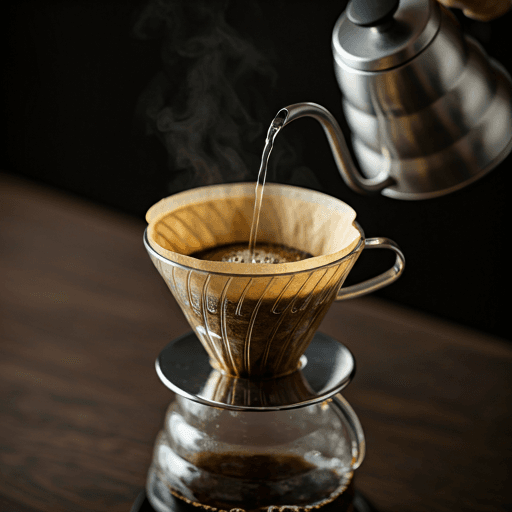
Both a siphon and a moka pot use heat and vapor pressure, but they brew opposite cups. Here is how the vacuum brewer and the stovetop classic differ in strength, flavor and everyday use.
Explainer
Siphon vs AeroPress: What's the Difference?
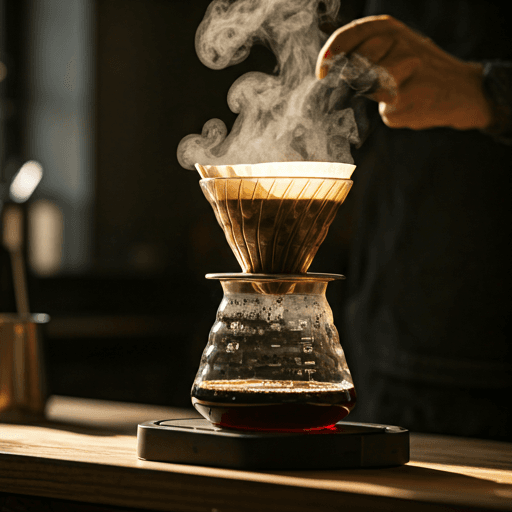
A siphon is a theatrical vacuum brewer that filters for a clean, tea-like cup, while an AeroPress is a fast, cheap, portable plunger for smooth concentrated coffee. Here is how they differ and which to choose.
Explainer
Galão vs Café au Lait: What's the Difference?
A galão is Portuguese espresso topped with lots of foamed milk; a café au lait is French brewed coffee with an equal splash of hot milk. Here is how the two milky coffees differ in base, texture and strength.
Explainer
How Much Caffeine Is in a Cafe Cubano?
A café cubano is basically a shot of sweetened espresso, so a single serving carries roughly 60 to 80 mg of caffeine. Here is how a shared colada and a cortadito compare, and why the whipped sugar changes the taste but not the caffeine.
Explainer
How Much Caffeine Is in a Spanish Latte?
A Spanish latte carries about 60-80 mg of caffeine with one espresso shot and roughly 120-150 mg with a double. All of it comes from the espresso, not the sweetened condensed milk, so it matches a regular latte of the same shot count.
Explainer
How Much Caffeine Is in a Ristretto?
A single ristretto holds roughly 60 to 75 mg of caffeine, similar to or a shade under a normal espresso shot. Here is why the concentrated taste fools people, plus how it stacks up against espresso and a lungo.
Explainer
Kukicha vs Bancha: What's the Difference?
Kukicha and bancha are two mellow, low-caffeine Japanese green teas from the same plants — kukicha is the twigs and stems, bancha is the mature leaves. Here is how they differ in flavour, caffeine and brewing, and which to choose.
Explainer
Kukicha vs Hojicha: What's the Difference?
Kukicha and hojicha are both gentle, low-caffeine Japanese teas, but kukicha is an unroasted green twig tea and hojicha is a roasted one. Here's how they differ in taste, color, caffeine and brewing.
Explainer
How Much Mugwort Tea Per Day?
Mugwort is one of the stronger, more cautionary herbs, so people usually keep it modest, often about a cup or less on a given day and not an every-single-day long-term habit, even though it is caffeine-free. Here is a hedged, non-medical look at how much mugwort tea per day makes sense and who should check with a provider first.
Explainer
Does Raspberry Leaf Tea Have Caffeine?
Raspberry leaf tea is naturally caffeine-free because it is a herbal tisane from the raspberry plant, not the tea plant — but raspberry-flavoured black or green tea is not. Here's how to tell them apart.
Explainer
AeroPress vs Espresso: What's the Difference?
An AeroPress and an espresso machine both push water through coffee, but only a machine hits the roughly 9 bars that make a true, crema-topped shot. Here is how they really compare.
Explainer
Iced Latte vs Iced Americano: What's the Difference?
Both an iced latte and an iced americano start with espresso over ice, but one is topped with cold milk and the other with cold water. Here is how that single choice changes the taste, texture, calories and caffeine, and how to pick the right cup.
Explainer
Galao vs Latte: What's the Difference?
A galao and a latte are both espresso plus lots of milk, but they part ways on vessel, foam texture, and coffee-to-milk ratio. Here is how the two compare.
Explainer
Lungo vs Doppio: What's the Difference?
A lungo is a longer, more diluted single espresso; a doppio is a bold double shot. Here is how the two pulls differ in size, strength, caffeine and flavor.
Explainer
How Much Caffeine Is in a Cafe au Lait?
A cafe au lait gets almost all its caffeine from the coffee base, not the milk - roughly 80 to 120 mg for a drip build, or shot-by-shot for espresso versions. Here is how the numbers break down and what nudges them.
Explainer
Kukicha vs Sencha: What's the Difference?
Kukicha and sencha are both Japanese green teas, but one is made from twigs and stems and the other from young leaves. Here is how their flavor, caffeine and brewing compare, and which to choose.
Explainer
Does Matcha Boba Have Caffeine?
Yes, matcha boba is caffeinated because it's made from whole-leaf matcha green tea. Here's roughly how much caffeine to expect, why the tapioca pearls add none, and how it compares with coffee.
Explainer
V60 vs French Press: Which Should You Choose?
The V60 pours a clean, bright, paper-filtered cup; the French press a richer, fuller-bodied one. Here is how the two brewers differ and which one fits your taste.
Explainer
Iced Americano vs Iced Coffee: What's the Difference?
An iced americano is espresso and cold water over ice; an iced coffee is chilled brewed drip. Here is how they differ in taste, body and caffeine.