
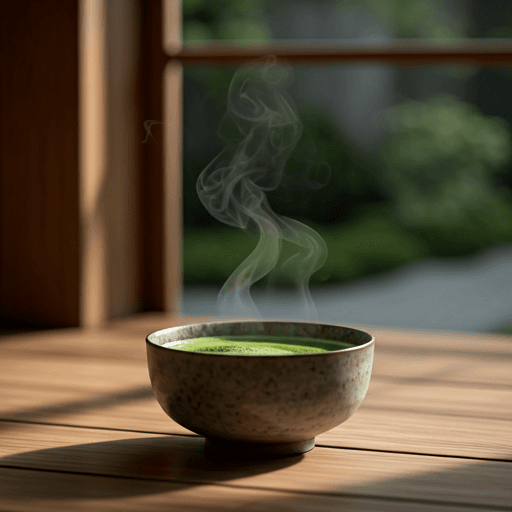
Does raspberry leaf tea have caffeine? No — a plain cup of raspberry leaf tea is naturally caffeine-free. It is a herbal tea, or tisane, made from the dried leaves of the raspberry plant (Rubus idaeus), not from the caffeinated tea plant, Camellia sinensis. Because it never touches the true tea plant, an unblended raspberry leaf brew contains essentially no caffeine, which is why so many people reach for it as a soothing, warm drink in the evening.
The one thing worth flagging up front: "raspberry leaf" tea and "raspberry-flavoured" tea are two very different products, and only one of them is caffeine-free. We will walk through why the leaf version has no caffeine, when a raspberry drink can quietly contain it, and what the brew actually tastes like.
Does raspberry leaf tea have caffeine? The short answer
A true raspberry leaf tea is caffeine-free because it is a leaf tisane, not a "tea" in the botanical sense. The drinks we normally call tea — black, green, white, oolong, and pu-erh — all come from one plant, Camellia sinensis, which naturally produces caffeine. Raspberry leaf tea comes from a completely different plant: the raspberry bush. Its dried leaves are steeped in hot water the same way, but there is no caffeine in the leaf to begin with, so there is none in the cup.
That puts raspberry leaf tea in the same broad family as chamomile, peppermint, and rooibos — herbal infusions that are naturally caffeine-free. If you want the bigger picture on which brews you can rely on to skip the caffeine, our guide to caffeine-free tea explained lays out the whole category and where the true teas hide.
Why there's no caffeine in raspberry leaf tea
Caffeine is a compound that certain plants make in their leaves, seeds, and beans — the tea plant and the coffee plant being the famous examples. The raspberry plant is not one of them. Its leaves simply do not produce caffeine, so drying and steeping them cannot create any. This is the core reason the answer to the caffeine in raspberry leaf tea question is a straightforward "essentially none."
It helps to separate two ideas that get tangled together. "Tea" in everyday language means any leaf steeped in hot water. "Tea" in the strict sense means a drink from Camellia sinensis. Only the second kind carries caffeine as a matter of course. Raspberry leaf is a herbal infusion wearing the word "tea," which is exactly why it slips past most people's caffeine radar. For a fuller look at which drinks in your cupboard actually have caffeine and which do not, see does tea contain caffeine.
The one caveat: raspberry-flavoured tea is not the same thing
Here is where labels matter. A box that says raspberry leaf tea is the caffeine-free one — it is the actual raspberry plant leaf. A box that says raspberry tea, raspberry-flavoured black tea, or raspberry green tea is usually a true tea (from Camellia sinensis) with raspberry flavouring or dried fruit added. Those absolutely do contain caffeine, because the base is real black or green tea.
The same trap appears with blends. Some herbal or "wellness" blends marketed around a fruit flavour quietly add ingredients that carry caffeine — most often black or green tea, but occasionally yerba mate or guarana, both of which are naturally caffeinated. If caffeine is something you are actively avoiding, the reliable move is to read the ingredient list rather than trust the front of the pack. If the only botanical listed is raspberry leaf, you are almost certainly looking at a caffeine-free cup; if you spot black tea, green tea, mate, or guarana anywhere on the label, assume there is caffeine in it. Exact amounts vary by product and how it is blended, so treat any single figure as a rough guide rather than a promise.
Caffeine by tea type, at a glance
| Drink | Made from | Caffeine? |
|---|---|---|
| Raspberry leaf tea (herbal) | Dried leaves of the raspberry plant | None to speak of — naturally caffeine-free |
| Raspberry-flavoured black tea | Black tea (Camellia sinensis) plus raspberry flavour | Yes — similar to a regular cup of black tea |
| Raspberry-flavoured green tea | Green tea (Camellia sinensis) plus raspberry flavour | Yes — typically a little less than black tea |
The takeaway from the table is simple: it is the plant behind the drink, not the raspberry flavour, that decides whether there is caffeine. Numbers move around between brands, so read them as ballpark rather than exact.
What raspberry leaf tea is like to drink
Flavour-wise, raspberry leaf tea surprises people who expect a fruity, jammy raspberry drink. It is made from the leaf, not the berry, so it tastes green and leafy rather than sweet — mild, earthy, and slightly tannic, a bit like a light, gentle black tea but without the caffeine kick or the astringent bite. Many describe it as grassy or hay-like with a soft, dry finish.
To brew it, you steep a teaspoon or so of dried raspberry leaf (or one tea bag) in freshly boiled water, usually for around five to ten minutes, then strain. A longer steep pulls out more of that tannic, earthy character; a shorter one keeps it lighter. Because there is no caffeine to worry about, the time of day is entirely up to you — it is a common choice for a warm evening drink. Some people add a little honey or lemon, or blend it with fruitier herbal teas, to round out the plain, green edge. If you are curious about the wider reasons people drink it beyond the flavour, our overview of raspberry leaf tea and its uses goes into more detail than we will here.
A note on pregnancy, breastfeeding, and who should ask first
Raspberry leaf tea is very widely discussed as a "pregnancy tea," and that conversation deserves its own space rather than a throwaway line. Because this article is only about caffeine, we are deliberately not making any claims about pregnancy, labour, or related uses — for that whole topic, see our dedicated guide on raspberry leaf tea and pregnancy, and, more importantly, talk to your own midwife, doctor, or pharmacist before drinking it if you are pregnant, trying to conceive, or breastfeeding.
More generally, "caffeine-free" is not the same as "right for everyone." Herbal drinks can interact with medications or personal sensitivities in ways that vary a lot from one person to the next. If you take regular medication, have a health condition, or simply are not sure, it is worth checking with a healthcare professional who knows your situation. Responses vary from person to person, and none of this is medical advice — it is general information about a drink and its caffeine content, nothing more.
Bottom line
Plain raspberry leaf tea — the herbal tisane made from the leaves of the raspberry plant — is naturally caffeine-free, and that is what makes it such an easy any-time or evening cup. The only real catch is the label: a "raspberry-flavoured" black or green tea, or a fruit blend that sneaks in tea, mate, or guarana, will carry caffeine. Read the ingredients, look for "raspberry leaf" on its own, and you can steep with confidence.