
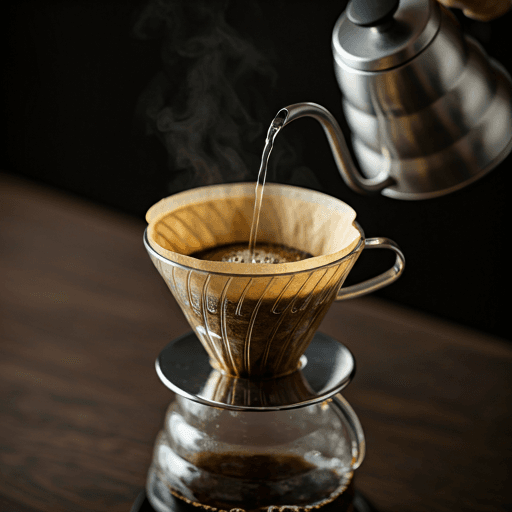
The quickest way to settle iced americano vs iced coffee is to look at how each drink starts. An iced americano is espresso shots poured over cold water and ice, while an iced coffee is brewed drip coffee that has been chilled and served over ice. Same frosty glass, two different beginnings, and that base brewing method is the real difference between the two.
Both are among the most-ordered cold coffees on any summer menu, and they can look almost identical in the cup. But they are built in opposite directions: one is concentrated espresso loosened with water, the other is a full pot of coffee simply cooled down. Below we break down what each one is, how they taste, where the caffeine comes from, and how to choose between them.
The short answer: iced americano vs iced coffee
If you only remember one thing about the difference between iced americano and iced coffee, make it this: the iced americano is espresso plus cold water plus ice, and the iced coffee is chilled brewed coffee plus ice. The americano tends to taste cleaner, brighter and more espresso-forward, while the iced coffee tastes smoother and rounder, like a cold cup of familiar drip. Everything else, the taste notes, the body and the caffeine, flows from that one brewing choice.
We keep the standalone deep dives elsewhere: for the full story on the espresso-and-water drink see what is an americano, and for the chilled-drip drink see what is iced coffee. Here the focus is purely the head-to-head.
What is an iced americano?
An iced americano usually starts with one or two shots of espresso pulled hot, then combined with cold water and poured over ice, often roughly one part espresso to two or three parts water, though ratios vary widely by café and by taste. Because it is built from espresso, it carries the concentrated, slightly syrupy character of a shot, thinned out into a long, refreshing drink. Some baristas pour the espresso over the ice and water, while others build the water first. If you want the step-by-step build, that lives on our iced americano guide.
The defining trait is that the flavor is set by the espresso: the roast, the beans and the number of shots do most of the talking, and the cold water mainly lengthens and cools it.
What is an iced coffee?
An iced coffee is, at its simplest, hot-brewed coffee that has been cooled and poured over ice. Most often that base is drip or filter coffee, though it can be made from a French press or any everyday brew method. Because it was brewed hot and then chilled, it keeps the mellow, rounded flavor people associate with a regular cup of coffee, just cold. The strength depends on how the coffee was brewed and how much of it goes into the glass, which is why iced coffee can range from watery to punchy depending on who made it.
Worth noting: iced coffee brewed hot and then cooled is not the same as slow-steeped cold brew, which we will come back to below.
Iced americano vs iced coffee: taste and body
Flavor is where iced coffee vs iced americano really diverges, though individual results always vary with beans, roast and ratio. An iced americano usually reads as crisp and punchy, with the bright acidity and clarity of espresso showing through, a little more intense and a little more coffee-shop. An iced coffee tends to taste softer and more familiar, with a rounder, gentler profile that many people find easier to drink black.
Body follows the same pattern. The americano can feel lighter and cleaner on the palate because it is mostly water around a small core of espresso, while a well-brewed iced coffee can feel a touch fuller and smoother. Neither is better, it comes down to whether you want the sharper espresso edge or the easygoing drip character.
Caffeine: what actually drives it
Caffeine lands in a broadly similar ballpark for both drinks, but the two are driven by different things, so any number is only a rough guide. An iced americano's caffeine is set by its shots; a single shot is often estimated around 60 to 75 mg, so a two-shot americano might sit somewhere near 120 to 150 mg, give or take. An iced coffee's caffeine is set by the brewed strength and the volume in the cup, and a large one can easily match or beat a two-shot americano.
In other words, add a shot and the americano climbs; pour a bigger, stronger iced coffee and it climbs too. Exact figures vary a lot by beans, roast and size, so treat these as estimates rather than precise amounts. Caffeine affects everyone differently, and this is general information, not medical advice: if caffeine sensitivity, sleep, pregnancy, breastfeeding or medication is a concern for you, ask your own healthcare provider.
How both differ from cold brew
A common mix-up is lumping these in with cold brew, but neither one is cold brew. Cold brew is made by steeping grounds in cold water for many hours, which produces a smoother, typically less acidic and often stronger concentrate. An iced americano (espresso and cold water) and an iced coffee (hot-brewed then chilled) are both fast, hot-origin drinks by comparison, so they usually taste brighter and more acidic than the mellow, slow-steeped profile of cold brew. If you want that specific comparison, see cold brew vs iced coffee.
Dilution: watch the melting ice
Both drinks share one practical quirk: they get weaker as the ice melts. Because each is largely water around coffee, a glass left sitting will slowly turn thin and watery. Many people brew their iced coffee a little stronger, or pour a more concentrated americano, to compensate, and some chill the drink first or use coffee ice cubes so melt does not dilute it. This is a matter of taste rather than a rule; a heavier hand up front simply buys you more time before the last sips fade.
Iced americano vs iced coffee at a glance
| Attribute | Iced americano | Iced coffee |
|---|---|---|
| Base | Espresso shots plus cold water, over ice | Hot-brewed drip coffee, chilled and poured over ice |
| Taste | Crisp, bright, espresso-forward | Smooth, rounded, familiar drip flavor |
| Body | Lighter, cleaner | Fuller, softer |
| Caffeine driver | Number of espresso shots | Brew strength and cup volume |
| Best for | Espresso-forward, coffee-shop character | Easygoing classic iced coffee |
Which should you choose?
Reach for an iced americano when you want something bright, clean and espresso-forward, the crisper, more concentrated-tasting option, and an easy pick if your café has an espresso machine going. Reach for an iced coffee when you want the smooth, familiar, easygoing flavor of a cold cup of drip, or when you are brewing a pot at home anyway and just want to pour it over ice. Both are excellent; the honest answer to iced americano vs iced coffee is that it depends on whether you prefer the sharp espresso edge or the rounder drip character.
It is also worth remembering that these categories blur in real life. Order an iced americano with a splash of milk and it drifts toward an iced latte; sweeten an iced coffee heavily and it becomes a different drink entirely. Purists often drink both black to taste the base clearly, but there is no wrong way, the labels simply describe the starting brew, not the final glass. If you are still unsure which to order, ask for whichever the café is best known for, since a well-pulled espresso or a freshly brewed pot will beat a careless version of either.