
Knowledge Base
Coffee & Tea Guides
Brew better and explore more — buying guides, how-tos, and explainers for every coffee and tea ritual.
Explainer
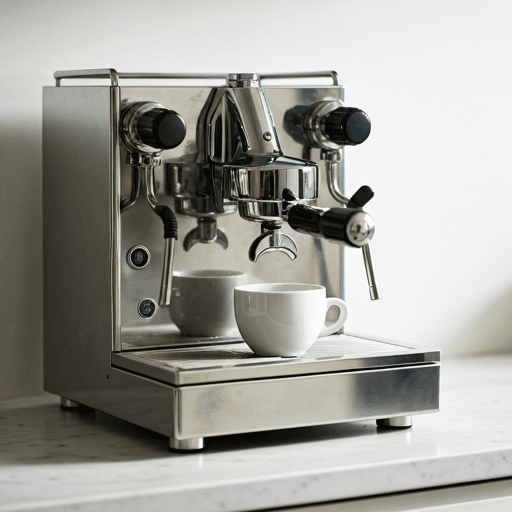
Nespresso Decaf Pods, Explained: Original and Vertuo
Nespresso decaf pods are decaffeinated capsules for both Original and Vertuo, with nearly all the caffeine removed. Here are the lines, examples and how the decaf is made.
Buying Guide
Nespresso Coffee Mugs and Glasses: A Buyer's Guide
Nespresso coffee mugs are the brand's cup and glass collections, sized to each drink from espresso to carafe. See how the double-walled View glass, porcelain and travel-mug options compare, and what to look for before you buy.

Explainer
Nescafe Taster's Choice, Explained: The Freeze-Dried Line
Nescafe Taster's Choice is Nestle's premium freeze-dried instant coffee for North America, sold since 1966. Here is what makes freeze-drying smoother than spray-dried instant, the House Blend, French Roast, Colombian and Decaf variants, and how to make a cup.
Explainer
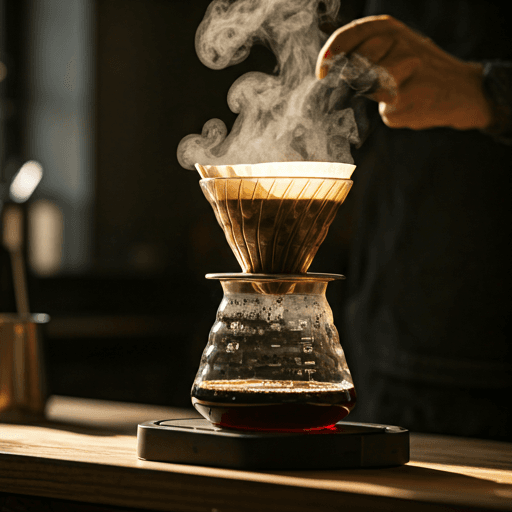
Nescafe Cold Coffee: How to Make Iced Coffee With Instant
Nescafe cold coffee is iced coffee made from instant granules — here is how to dissolve, shake, blend or whip it into a smooth, frothy cold coffee at home.
Explainer
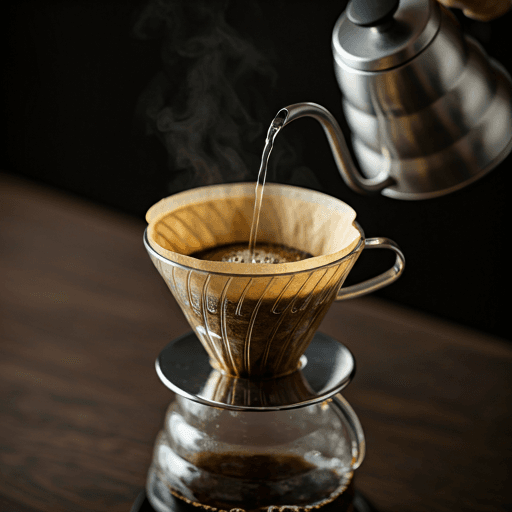
Nescafe Crema, Explained: Instant Coffee With a Foam Layer
Nescafe crema is instant coffee engineered to form a light foam cap on top of the cup, mimicking the look of espresso. Here's how Gold Crema, Azera and Classic Crema build that layer, how to get the best foam, and how it differs from real espresso crema.
Explainer
Nescafe Coffee Sachets, Explained: The Whole Stick-Pack Lineup
Nescafe coffee sachets are single-serve stick and sachet packs — from plain black instant to all-in-one 3-in-1 and cappuccino mixes. Here is the whole format decoded: what each type contains, how to brew and store them, and when a stick pack beats a jar.
Buying Guide
Nescafe Latte and Coffee Drinks: How to Make Cafe Favorites at Home
Make cafe-style Nescafe drinks at home -- latte, cappuccino, americano, mocha and flat white -- from ready-mix sachets or a plain jar, with simple coffee-to-milk ratios and no espresso machine.
Explainer
Nescafe Blend 43: Australia's Instant Coffee Icon
Nescafe Blend 43 is Nestle's iconic Australian instant coffee, launched in 1958. Here is what it is, the story behind the "43" name, how it is made, its variants and how to brew it.
Explainer
Nescafé Black Coffee: Dose, Caffeine and Which Variant to Buy
Nescafe black coffee is plain instant with nothing added. Nestlé's own guidance is 1 teaspoon (1.8 g) in 200 ml of water at 85°C. Here is the dosing table, caffeine by variant, and an honest answer on which jar to buy if you drink it black.
Explainer
Nescafe 3-in-1, Explained: What's in the Stick
A plain-English look at Nescafe 3-in-1: the single-serve stick that blends instant coffee, creamer and sugar, plus its 2-in-1 and kopi relatives and how to make it.
Buying Guide
Mr. Coffee Maker Guide: Choosing a Drip Machine
Mr. Coffee helped popularize the automatic drip coffee maker in 1972. Here is the full range, from switch and programmable models to Optimal Brew, thermal carafes, single-serve, and the iced maker, plus what to look for.
Explainer
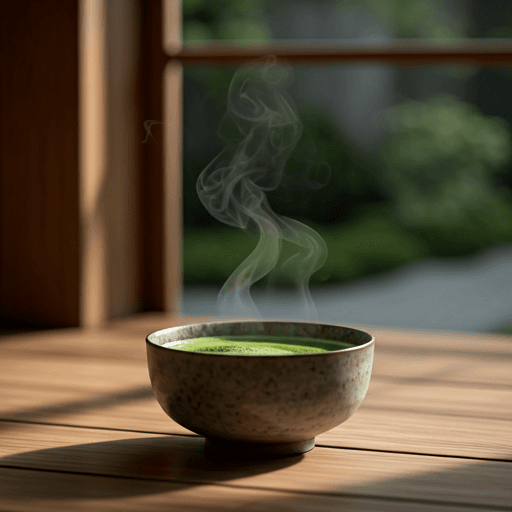
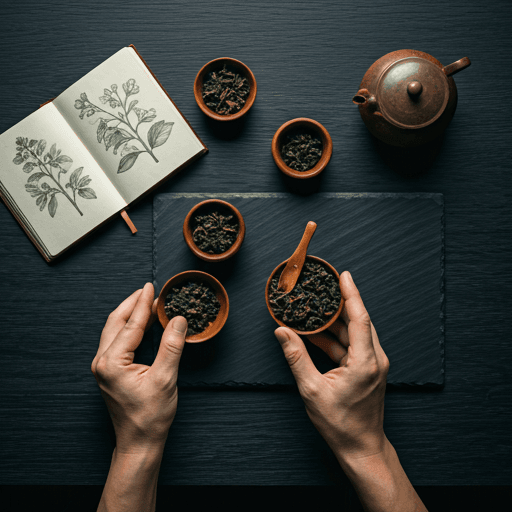
Mint Tea: Benefits and How to Make It
Mint tea is a caffeine-free infusion of peppermint, spearmint or fresh mint leaves. Here are the types, the benefits it may offer, and how to make it hot or iced.
Explainer
Milo: The Malted Chocolate Drink, Explained
Milo is Nestle's malted chocolate drink powder, not a tea or coffee. Here's what it is, its Australian origins, how to make it hot, iced or as a Milo Dinosaur, and how much caffeine it really has.
Buying Guide
Miele Coffee Machines: The Range Explained
Miele makes premium bean-to-cup coffee machines in two families: built-in CVA models that integrate with a kitchen and freestanding countertop CM models. Here is the range, the features that define it, and how to choose the right one.
Explainer
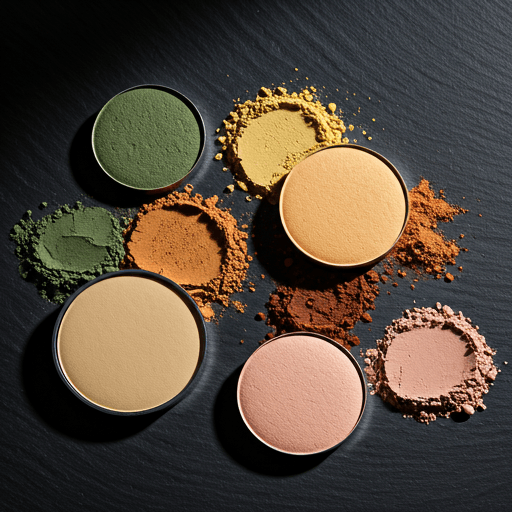
Matcha Powder vs Leaves: Is Matcha Green Tea Powder Different?
Matcha is green tea in powdered form, not loose leaves you steep. Here is what actually separates matcha green tea powder from whole tea leaves, and why you drink one whole and discard the other.
Explainer
Matcha Latte Calories: What's Really in the Cup
Matcha itself is nearly calorie-free, so a matcha latte's calories come almost entirely from the milk and any sweetener. Here's a calorie map by milk type, why cafe cups run higher, and how to make yours lighter.
Explainer
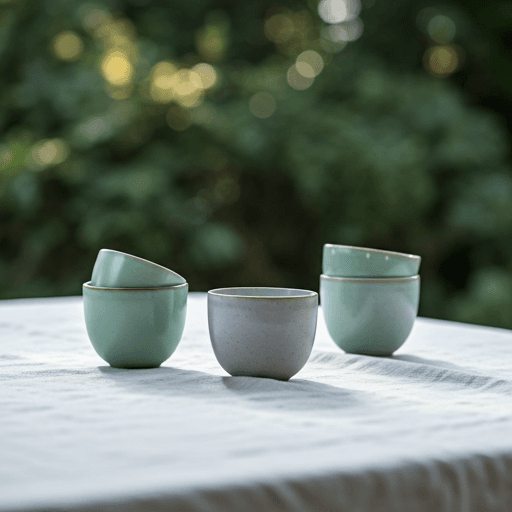
Matcha Color Guide: What the Green Tells You
A vivid jade green signals fresh, high-grade matcha, while dull yellow or brown warns of lower grade or age. Here is how to read matcha color like a quality label.
Explainer
Marshmallow Root Tea: Benefits and How to Use It
Marshmallow root tea is a caffeine-free infusion of Althaea officinalis, rich in soothing mucilage. Here is what it may do, how to brew it cold for the silkiest texture, and who should be cautious.
Buying Guide
Mahlkönig Coffee Grinders: The Range Explained
Mahlkönig makes Germany's benchmark coffee grinders. Here's the range by role — the legendary EK43, café espresso grinders and the X54 home model — and how to pick.
Explainer
Low Acid Coffee: What It Is and How to Choose
Low acid coffee is coffee that's gentler on the stomach. Here's what actually lowers acidity — dark roasts, mellow origins, and cold brew — plus who might benefit and how to make any cup smoother.
Explainer
Lipton Iced Tea: The Range, Flavours and How to Make It
Lipton iced tea is a whole line, not one drink: ready-to-drink bottles, powdered mixes and tea bags you brew and chill. Here are the formats, flavours, how to make it at home, and how it compares.
Explainer
Lipton Earl Grey Tea, Explained: Taste, Caffeine and Brewing
Lipton Earl Grey is Lipton's mainstream, everyday Earl Grey: black tea flavored with bergamot, sold mostly in tea bags. Here is how it tastes, its caffeine, how to brew it well, and the varieties in the range.
Buying Guide
Lelit Espresso Machines Compared: Anna, Victoria, Elizabeth and Bianca
A friendly, no-hype guide to Lelit's home and prosumer espresso machines, from the compact single-boiler Anna up to the flow-control Bianca, with a comparison table and what to look for.
Explainer
Lavazza Crema e Aroma, Explained
A clear look at Lavazza Crema e Aroma: the Arabica-Robusta makeup, its full-bodied, chocolatey taste, what it brews best in, and how it compares with Crema e Gusto and the milder Caffe Crema range.