
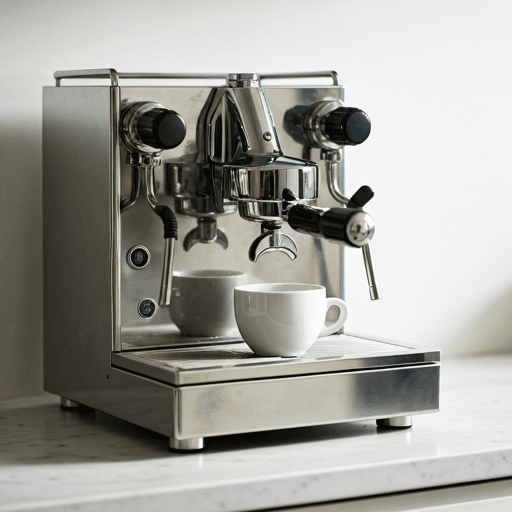
Nespresso coffee mugs are the brand's own cup and glass collections, sized to match the drinks a Nespresso machine pours — from a small ristretto right up to a sharing carafe. The best-known pieces are the double-walled glass ranges, but the line also runs to porcelain cups with saucers and insulated travel mugs. This guide explains how those sizes map to your machine, what double-wall glass actually does, and what to check before you pick a set.
What Are Nespresso Coffee Mugs?
"Nespresso coffee mugs" is a loose umbrella for the drinkware Nespresso designs to pair with its pod machines. Rather than one generic mug, the brand sells families of cups tuned to specific pour sizes and drink styles: short espresso cups, taller lungo glasses, wide cappuccino and mug cups, and larger recipe glasses built for layered iced drinks. Some are porcelain with matching saucers; the signature pieces are made from double-walled tempered glass so you can watch the coffee and its crema.
Because they follow the machine's own volumes, these cups sit somewhere between pure tableware and equipment. If you already understand the wider machine and pod system, the mugs are the finishing layer; for the bigger picture, see our Nespresso brand guide and Nespresso machine guide. For general cup shopping beyond the brand, our coffee mug and cup guide covers materials and sizes across every kind of coffee.
The Nespresso cup ecosystem: why size matters
Every Nespresso pour has a target volume, and a cup that matches it makes the drink look and taste the way it's meant to. Pour a 40 ml espresso into a big mug and it looks lost at the bottom and cools almost instantly; pour a 110 ml lungo into an espresso cup and it overflows. A right-sized cup also holds temperature better, because there's less cold ceramic or glass for a small shot to warm up. The two machine lines — OriginalLine and Vertuo — use different size ladders, so it helps to know which one you own before you shop.
OriginalLine sizes
OriginalLine machines pour three core sizes: ristretto at roughly 25 ml, espresso at about 40 ml, and lungo at around 110 ml. Milk drinks such as cappuccino and latte are built by adding frothed milk on top of a shot, so those call for wider cups in the 180–390 ml range. In practice you want a small espresso cup for your espresso and ristretto pours, and a taller lungo glass or cup for lungos and Americano-style drinks.
Vertuo sizes
Vertuo reads a barcode on each capsule and pours a preset volume, so it spans more sizes: espresso (~40 ml), double espresso (~80 ml), gran lungo (~150 ml), mug (~230 ml) and, on some models, the large Alto (~410 ml) and a Carafe (~535 ml) for sharing. That wider ladder is why mug-sized cups, tall glasses and carafes feature so heavily in the Vertuo side of the range. Whichever line you have, choosing a cup always starts with the drink you make most often.
The double-walled glass collections: View, Origin and Reveal
The pieces most people picture as "Nespresso glasses" are the double-walled tempered-glass ranges. Nespresso has offered several over the years — the View collection is the long-running example, with the Origin and Reveal ranges appearing as newer or region-specific lines. Within each you will typically find an espresso size, a lungo size, and taller recipe or barista glasses meant for milk-based and iced drinks. Naming and availability shift by market and season, so the exact collection on the shelf varies, but the design idea is constant.
Double-wall construction is the whole point. Two layers of glass trap a pocket of air between the coffee and your hand, which does three useful things:
- Keeps drinks hotter for longer — the air gap slows heat loss, so a small espresso does not cool as quickly as it would in a thin single-wall cup.
- Stays cool to hold — the outer wall never gets as hot as the coffee, so you can pick up a fresh, handle-free espresso glass without burning your fingers.
- No condensation ring — with iced coffee the outer wall does not sweat, so you avoid the wet puddle a cold single-wall glass leaves on the table.
The clear glass also lets you watch the pour build and the crema settle, which is a big part of the appeal. The so-called Nespresso View mugs and the taller recipe glasses are the go-to for lattes, flat whites and layered iced coffees where the look is half the fun. Tempered glass is more resistant to thermal shock and knocks than ordinary glass, though it is still glass — many pieces are hand-wash only. If you like this style in general and want to compare options beyond the brand, our glass mugs guide looks at double-wall glassware more broadly.
Porcelain & travel-mug options
Not everything in the range is glass. Nespresso also makes porcelain cup-and-saucer sets — the Origin, Lume, Pure and older Pixie-style lines are typical — in espresso, lungo, cappuccino and mug sizes. Porcelain holds heat well, feels traditional on a saucer and suits a classic espresso service. It is single-wall, though, so a just-poured espresso cup will be hot to hold, which is exactly why the small cups come with a handle or a saucer.
For coffee on the move there are insulated travel mugs, usually double-walled stainless steel with a vacuum seal and a lid. These suit the larger Vertuo mug and gran lungo pours and keep a drink hot far longer than any glass or porcelain cup. If you want to brew straight into one, look for a travel mug short enough to fit under your machine's spout, or plan to remove the drip tray.
What to look for in a Nespresso mug or glass
A few practical checks separate a cup you will reach for daily from one that lives at the back of the cupboard:
- Size matched to your usual drink. Buy for the pour you make most days — an espresso cup for espressos, a lungo glass for lungos, a mug or recipe glass for Vertuo mug pours and milk drinks. This is the single most important choice.
- Double-wall vs single-wall. Double-wall glass keeps drinks hot, stays cool to hold and skips condensation; single-wall porcelain is more traditional and often cheaper but passes heat straight to your hand.
- Dishwasher-safe or not. Many double-walled glasses are hand-wash only, while porcelain and steel are usually dishwasher-safe — check the base marking if that matters to you.
- Fits under the spout. Confirm the cup or glass is short enough to sit under your machine's coffee outlet, or that the drip tray adjusts. Tall recipe glasses and travel mugs sometimes need the tray removed.
- Set or single. Glasses and cups are often sold in pairs with saucers or stainless spoons; decide whether you want a matched set for guests or just an individual piece.
Nespresso mug and glass comparison
The table below sums up the main cup and glass types and where each one shines. Treat the sizes as typical rather than exact, since they vary by collection and region.
| Collection / type | Material | Typical sizes | Best for |
|---|---|---|---|
| View / Reveal espresso & lungo cups | Double-walled tempered glass | Espresso (~40 ml), lungo (~110 ml) | Watching the crema; hot shots that stay cool to hold |
| View / barista recipe glasses | Double-walled tempered glass | Taller, ~350–450 ml | Lattes, flat whites and layered iced drinks |
| Origin / Pure porcelain cups | Porcelain, with saucer | Espresso, lungo, cappuccino, mug | Classic espresso service and everyday use |
| Gran lungo & mug cups | Porcelain or glass | ~150–230 ml | Vertuo gran lungo and mug pours |
| Alto & Carafe glasses | Glass | ~410–535 ml | Vertuo's largest and sharing pours |
| Travel mug | Double-wall stainless steel | ~350 ml and up | Coffee on the move; keeping drinks hot |
Choosing the right cup for your machine
Pull the choice together in three steps. First, identify your machine line and the drink you make most — a small OriginalLine espresso is a very different cup from a Vertuo mug or an iced recipe. Second, decide on material: double-wall glass for insulation and a clean, sweat-free look, or porcelain for a classic saucer service. Third, check the practical fit — spout height, dishwasher habits and whether you want a matched pair. If you brew several styles, a small espresso cup plus one taller recipe glass will cover most of what a Nespresso machine can pour. Get those points right and everything else is a matter of taste.
Collections, names and exact volumes shift by region and season, so treat the numbers here as a guide rather than a fixed spec — the constant is the logic behind them. Nespresso builds its mugs and glasses around the pours its machines make, which is why matching the cup to the drink does most of the work. Start from what you brew most, pick the material that fits your routine, and make sure it slips under the spout, and any piece from the range will show your coffee off the way it was meant to look.