
Knowledge Base
Coffee & Tea Guides
Brew better and explore more — buying guides, how-tos, and explainers for every coffee and tea ritual.
Explainer
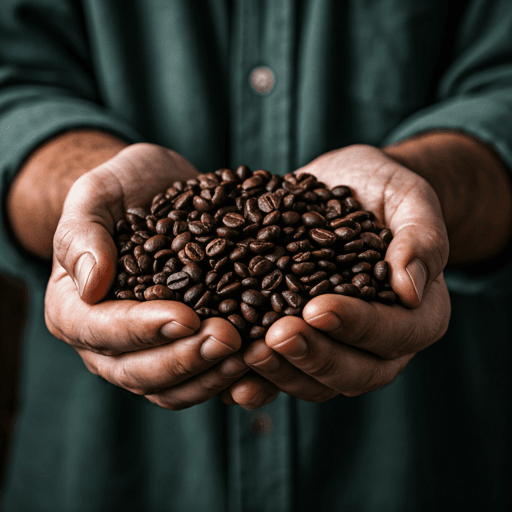
Espresso Beans vs Coffee Beans, Explained
There is no special espresso bean. So-called espresso beans are ordinary coffee beans — the same Arabica or Robusta — just roasted and ground for espresso. The real difference is roast, grind and blend, not the bean.
Explainer
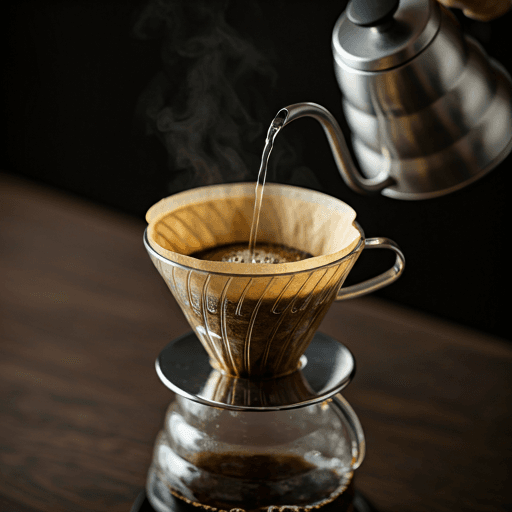
Espresso Powder, Explained: What It Is and How to Use It
Espresso powder is a fine, fully soluble instant coffee made for baking, not brewing. Here is what it is, how it deepens chocolate, how to use it, and the best substitute.
Explainer
Espresso Drinks, Explained
Espresso drinks are the whole family of coffees built on a shot of espresso, then varied by water, milk and foam. Here is what each classic is, the ratio that defines it, and how cafe espresso menus are organised.
Explainer
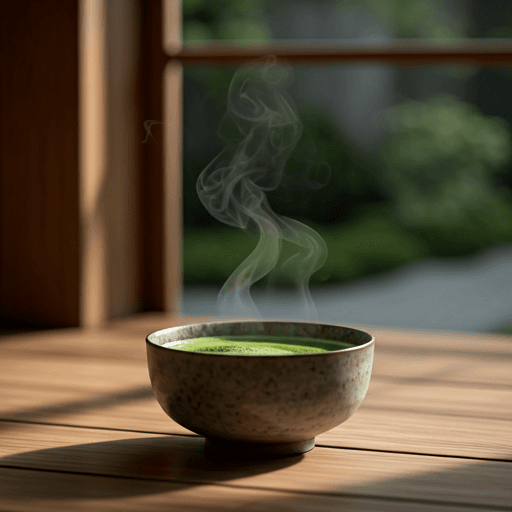
English Breakfast Tea, Explained
What English Breakfast tea actually is: the classic robust black tea blend of Assam, Ceylon and African leaves, how it tastes, how to brew it, and how it compares to Irish and Scottish breakfast blends.
Explainer
Energy Drink Side Effects, Explained
A clear, non-alarmist look at energy drink side effects — what's in the can, why caffeine and sugar cause jitters, poor sleep and palpitations, and who should be careful.
Explainer
Black Elderberry Tea: Benefits and Safety
What black elderberry tea is, the traditional immune and cold-season benefits, what the evidence actually shows, and the one safety rule that matters most: cook the berries.
Explainer
EGCG: The Green Tea Compound, Explained
EGCG is the main catechin antioxidant in green tea. Here is what epigallocatechin gallate is, why it is studied, how much is in your cup, and why tea is not a supplement.
Explainer
Echinacea Tea: Benefits and How to Brew It
What echinacea tea is, the honest story on its immune and cold benefits, what it tastes like, how to brew the root and flowers properly, and who should be cautious.
Explainer
Dunkin Original Blend Coffee, Explained
Dunkin Original Blend is the chain's flagship 100% Arabica medium roast. Here is what it tastes like, the ground, whole-bean and K-Cup formats, and how to brew it well at home.
Explainer
The Dunkin Menu and How Its Prices Work
Dunkin has no single price list — its menu is global but its prices are local. Here is how the Dunkin menu is organized and how its pricing and value really work.
Explainer
Dunkin Franchise History, Explained
How one donut counter in Quincy, Massachusetts became a global chain: the Dunkin franchise story, from William Rosenberg's Open Kettle to Inspire Brands ownership.
Explainer
Dunkin Donut Flavors, Explained
A clear, global guide to Dunkin donut flavors, by family, from glazed rings and frosted cake donuts to the custard-filled Boston Kreme and bite-size Munchkins, plus how to pair each one with your coffee.
Explainer
Dunkin Deals and Rewards, Explained
A plain-English guide to how Dunkin deals, coupons and rewards actually work — the points system, the app, recurring promo types, and how to find current offers without chasing a code.
Explainer
Dunkin Coffee Flavors, Explained
Dunkin flavors come in two forms: unsweetened flavor shots and sweetened, creamy flavor swirls. Here is how each one works, the popular flavors, the seasonal limited-edition options, and how to build your own customized coffee.
Explainer
Dunkin and Baskin-Robbins: Why They Share Stores
Dunkin and Baskin-Robbins are two separate American chains under one owner. Here is why they share combo stores, who owns them now, and what each brand does best.
Explainer
Dreams Tea, Explained
Dreams tea is an umbrella name for two ideas: calming bedtime blends for restful sleep, and folklore herbs linked to vivid dreaming. Here is what goes in it, how to brew it, and how to enjoy it sensibly.
Explainer
Dragon Tea (Dragon Well / Longjing), Explained
"Dragon tea" almost always means Dragon Well (Longjing), China's famous pan-fired green tea. Here is what it is, how it tastes, and how to brew it.
Explainer
Dragon Pearl Jasmine Tea, Explained
Dragon pearl jasmine tea is hand-rolled green tea scented with fresh jasmine that unfurls as it steeps. Here is what jasmine dragon pearls are, how they are made, how they taste, and how to brew them.
Explainer
Dolce Gusto Pods and Capsules, Explained
What Dolce Gusto pods are, why some drinks need two capsules, how intensity ratings work, what fits which machine, and how to choose and recycle them.
Explainer
Dog Cafes and Dog-Friendly Cafes, Explained
A dog cafe can mean two things: a dog-friendly cafe that welcomes your dog, or a themed cafe where you visit resident dogs. Here is how both work, the etiquette, and how to find one.
Explainer
Does Tea Contain Caffeine? How Much, and Which Teas Are Caffeine-Free
Yes, all true tea contains caffeine because it comes from the Camellia sinensis plant, while most herbal teas are naturally caffeine-free. Here is how much caffeine sits in black, green, white and oolong tea, what changes it, and how to drink less.
Explainer
Does Chocolate Have Caffeine? How Much Is in Each Type
Yes, chocolate contains caffeine, but only a little, and theobromine is its main stimulant. Here is how much caffeine is in dark, milk and white chocolate, plus cocoa, hot chocolate and caffeinated bars.
Explainer
Disposable Coffee Cups, Explained
What disposable coffee cups are actually made of, the paper, foam and compostable types, sizes and lids, the recycling reality, and how to choose one when you need it.
Explainer
Dirty Chai Latte, Explained
A dirty chai latte is a spiced chai latte with a shot of espresso stirred in. Here is what makes it "dirty," how it differs from a filthy chai, and how its flavour and caffeine stack up.