
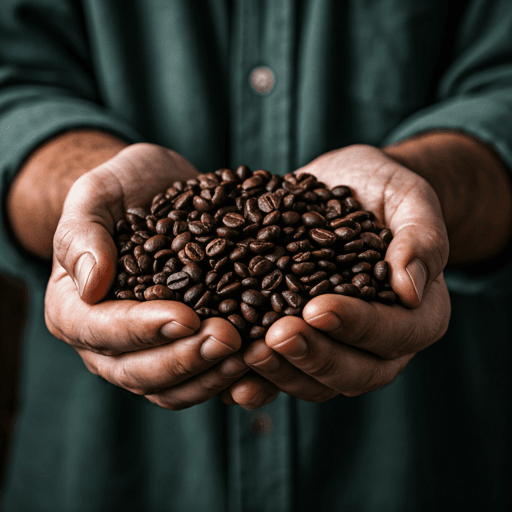
Here is the short answer: there is no special espresso bean. So-called espresso coffee beans are ordinary coffee beans — the same Arabica or Robusta everyone grows — that have simply been roasted and ground with espresso in mind. Espresso is a brewing method, not a species of plant, so the espresso beans vs coffee beans question is really about roast, grind and blend rather than two different things on the shelf.
If a bag is labeled "espresso," it is telling you how the roaster expects you to brew it, not promising a different bean. Understanding that one fact saves money, clears up a lot of confusion, and frees you to brew almost any bean almost any way. This guide explains what the label really means and how to use it.
Are Espresso Coffee Beans a Different Bean?
No. Whether a bag says "espresso roast," "house blend" or "filter," what is inside started life as the seed of a coffee cherry from the same small handful of cultivated species — overwhelmingly Arabica, sometimes Robusta, often a blend of both. There is no botanical "espresso bean." For the full picture of where these seeds come from, see our explainer on what coffee beans are.
So when people ask whether espresso beans are different, the honest answer is: only in how they have been treated after harvest. A roaster takes green coffee and makes three choices that nudge it toward espresso — how dark to roast it, how to blend it, and (once you grind) how fine to grind it. Change those choices and the very same green coffee could be sold as a bright filter roast instead.
Espresso Is a Method, Not a Bean
Espresso is what happens when hot water is forced through a compact puck of finely ground coffee at around nine bars of pressure, producing a small, intense shot with a layer of crema on top. That is a brewing method. You can read the full breakdown in our guide to espresso, the base of every coffee.
Because espresso is defined by pressure and grind, the machine does not care what the bag is called. It cares that the grind is right and the coffee is fresh. That is why a cafe can pull a wonderful shot from a light "filter" roast, and why you can run an "espresso blend" through a drip machine and get a perfectly good mug.
The Real Differences Behind the Label
If espresso beans and coffee beans are the same raw material, why do bags get labeled at all? Because the label is shorthand for three genuine, useful decisions the roaster has already made for you.
Roast
This is the big one. Beans sold for espresso are often taken to a medium-dark or dark roast, developed evenly for body, sweetness and a rounder, less acidic cup that stands up to milk and shows good crema. Darker roasting also makes the coffee more soluble, so it gives up flavor readily under pressure. That said, the rule is soft: many modern roasters sell light or "blonde" espresso roasts that are bright and fruity. Roast depth is a spectrum, not a switch, as our guide to coffee roast levels explains.
Grind
Espresso needs a very fine grind, close to powdered sugar, so the puck resists the pressurized water long enough to extract properly. Drip and filter coffee use a medium grind; a French press uses a coarse one. The whole beans are identical here — the difference appears only when you grind, which is why one grinder setting cannot serve every brewer. If you buy pre-ground "espresso," you are really buying that fine grind locked in, which is also why it goes stale faster.
Blend
Espresso blends are frequently built for balance, body and a stable crema rather than for showcasing a single farm. Some traditional Italian-style blends add a portion of Robusta, which carries more of the compounds that produce thick crema and a heavier mouthfeel, plus more caffeine. Single-origin filter coffees, by contrast, are often chosen to spotlight one origin's distinctive character. If you are shopping specifically for shots, our roundup of how to choose espresso beans goes deeper.
Espresso Beans vs Coffee Beans at a Glance
| Factor | Beans labeled "espresso" | Beans labeled "coffee" (drip/filter) |
|---|---|---|
| Bean species | Arabica and/or Robusta — the same plants as any coffee | Arabica and/or Robusta — the same plants as any coffee |
| Roast | Often medium-dark to dark, evenly developed for body, sweetness and crema (though light "blonde" espresso roasts exist) | Anywhere from light to dark; light-to-medium is common to highlight acidity and origin character |
| Grind | Very fine, near powdered sugar, so the puck resists about nine bars of pressure | Medium for drip and pour-over; coarse for French press; very coarse for cold brew |
| Blend | Often blended for balance and stable crema; may include some Robusta for body and caffeine | Often single-origin or blends chosen for clarity and distinct flavor |
| Typical use | Espresso machines and moka pots, and milk drinks like lattes and cappuccinos | Drip machines, pour-over, French press and cold brew |
Can You Brew Espresso Beans Any Other Way?
Yes, and this is the most freeing part. Coffee beans for espresso are espresso beans by intention, not by law. You can brew an espresso blend in a drip machine, a French press, a moka pot or a pour-over; you simply grind to suit that brewer. A dark espresso roast in a French press makes a big, chocolatey cup. Equally, you can pull espresso from beans labeled "filter" or from a single origin, as long as your grinder can go fine enough and you are willing to dial it in.
"Dialing in" means adjusting the grind size, and sometimes the dose, until the shot runs in roughly the right time and tastes balanced — not sour and thin, not bitter and harsh. Every bean and every roast wants a slightly different setting, and that setting matters far more than the word printed on the bag.
What Matters More Than the Label
- Freshness. Roasted coffee is at its best in the first few weeks after roasting and stales quickly once ground. Buy whole beans, check the roast date, and grind just before brewing. This one habit beats any label.
- The right grind for your brewer. Fine for espresso, medium for drip, coarse for French press. A good burr grinder lets you match the brewer instead of the bag.
- Dialing in. Taste, adjust, repeat. Small grind changes move a shot from sour to sweet to bitter, so trust your palate over the marketing.
- Mind oily dark roasts. Very dark, shiny beans shed oils that can coat burrs, clog hoppers and gum up grinders over time. They are perfectly fine to use; just clean the grinder more often and avoid leaving them sitting in a hopper for days.
So Which Should You Buy?
Buy by roast date and flavor description, not by the espresso-versus-coffee label. If you own an espresso machine, a bag marked "espresso" is a sensible default, because the roaster has already steered it toward body and crema — but treat it as a starting point, not a rule. If you brew drip or press, choose the roast level and tasting notes you like and grind accordingly. The bean itself is the same; what you are really choosing is a roast and a grind.
The takeaway is a liberating one: there is no secret espresso bean to track down. Once you see espresso as a method rather than a mystery ingredient, the whole shelf opens up, because any fresh, well-roasted coffee can become a shot or a mug depending on how you grind and brew it. Start with beans you genuinely enjoy, grind them to match your brewer, and let the machine do the rest. From there, exploring different roast levels and origins is where the real fun begins.