
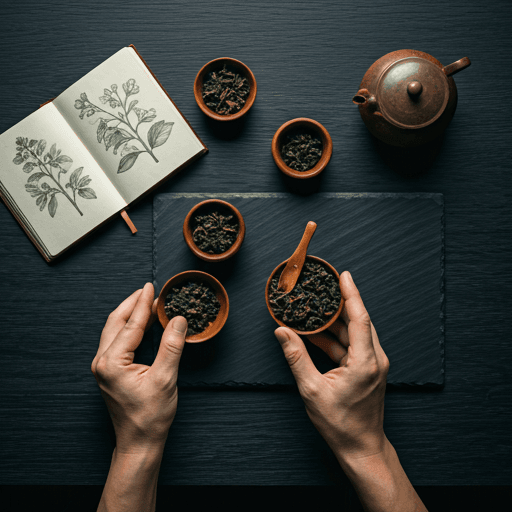
Echinacea tea is a caffeine-free herbal infusion made from the coneflower, a group of flowering plants native to North America. People have reached for it for generations at the first sign of a cold, hoping for a little immune support. The honest answer on echinacea tea benefits is that the traditional use is long-standing and the modern science is genuinely mixed: it may help ease or shorten a cold for some people, but it is not a proven cure, and this is not medical advice.
What is echinacea tea?
Echinacea is a genus of daisy-family coneflowers. Three species turn up most in herbal products: Echinacea purpurea (purple coneflower), Echinacea angustifolia and Echinacea pallida. The plant is a striking garden perennial with pink-purple petals around a spiky orange-brown central cone, and that cone is where the genus name comes from (from the Greek for "hedgehog").
Echinacea herbal tea can be brewed from different parts of the plant. The aerial parts (flowers and leaves) make the lightest, most floral cup, while the dried root is the most concentrated. Because echinacea is an herbal infusion rather than true tea from the Camellia sinensis plant, it is naturally caffeine-free, which makes it an easy drink for the evening or for anyone cutting back on caffeine. If you are new to non-caffeinated infusions in general, our overview of what herbal tea is puts echinacea in context alongside chamomile, peppermint and the rest.
Echinacea tea benefits and what the evidence says
The most cited of echinacea benefits is immune support, especially for the common cold. The plant contains active compounds such as alkylamides and polysaccharides that are studied for immune-related and anti-inflammatory activity in the lab. That is the traditional reasoning behind reaching for echinacea for colds the moment a scratchy throat or sniffle appears.
Here is the balanced picture. Some clinical trials suggest echinacea, taken at the very first symptoms, may modestly reduce the chance of catching a cold or trim a small amount off how long symptoms last. Other reviews find little or no reliable effect, and results vary a lot depending on the species, the plant part and the preparation used. So the most accurate way to frame echinacea tea benefits is "may help, traditionally used, evidence mixed" rather than anything definite. It is not a treatment for any illness, and it will not replace rest, fluids, or a doctor's care when you need it.
A few sensible takeaways from how the herb is traditionally used:
- Timing matters more than dose. It is most associated with being taken right at the onset of a cold, not as a daily habit all winter.
- It is usually used short-term. Many traditions and product labels suggest using echinacea in short courses (a week or so around an illness) rather than continuously.
- A warm, soothing drink helps anyway. Like any warm herbal infusion, echinacea tea hydrates and feels comforting on a sore throat, with honey and lemon adding their own soothing effect.
If you want the wider menu of soothing options for a cold, our roundup of the best teas for colds and sore throat compares echinacea with honey-and-lemon, ginger, peppermint and more. For a related immune herb on its own page, see elderberry tea benefits, and for teas chosen specifically for calming inflammation, best anti-inflammatory teas is a useful companion read.
What echinacea tea tastes like
Echinacea on its own is an earthy, slightly floral, mildly grassy brew. The most distinctive thing is what it does, not how it smells: fresh, potent echinacea (especially the root) often leaves a gentle tingling or numbing buzz on the tongue and lips within a few seconds. That sensation comes from the alkylamides in the plant and is completely normal; herbalists often treat it as a sign the herb is good quality. If the earthiness is too much, blends help. Many bagged products pair echinacea with elderflower, mint, lemongrass, ginger or hibiscus to round it out, and a spoon of honey plus a squeeze of lemon tames the edges nicely.
How to brew echinacea tea
The key thing to remember is that roots need longer than flowers. A flower-and-leaf infusion behaves like most herbal teas, but root pieces are dense and benefit from a longer steep or a gentle simmer to draw the compounds out.
- Measure. Use about 1 to 2 teaspoons of dried echinacea per cup (roughly 240 ml / 8 oz). Use a little less for a milder cup, a little more for a stronger one.
- Heat fresh water. Bring fresh water to a full boil (around 100 C / 212 F).
- Pour and cover. Pour the just-boiled water over the herb and put a lid or saucer on top. Covering keeps the volatile compounds in rather than letting them drift off as steam.
- Steep a good while. Let flowers and leaves steep 10 to 15 minutes. For dried root, steep at least 15 to 20 minutes, or simmer the root gently in a covered pot (a decoction) for 15 to 20 minutes for a fuller extraction.
- Strain and finish. Strain out the herb. Add honey and a squeeze of lemon to taste. Sip while warm.
If you are using tea bags, just follow the pack and lean toward the longer end of its steep window. The same patient, covered approach that works for loose root works for blends too.
Brewing at a glance
| Part used | Suggested brew time | Notes |
|---|---|---|
| Dried flowers (aerial) | 10-15 min, covered | Lightest, most floral; quickest to brew. |
| Dried leaves | 10-15 min, covered | Mild and grassy; often blended with flowers. |
| Dried root | 15-20+ min, or gently simmered | Strongest and most "tingly"; roots need the extra time. |
| Bagged blends | Follow the pack (about 10-15 min) | Frequently paired with elderflower, mint or ginger. |
Safety, cautions and who should be careful
For most healthy adults, echinacea tea is generally well tolerated in short-term use, but a few cautions are genuinely important. None of this is medical advice, and it is worth checking with a healthcare professional or pharmacist if anything below applies to you, or if you take regular medication.
- Daisy-family and ragweed allergy. Echinacea is in the Asteraceae (daisy) family, alongside ragweed, chrysanthemums, marigolds and daisies. People allergic to those plants can react to echinacea, so if you have a ragweed or daisy-family allergy, it is safest to avoid it.
- Autoimmune conditions and immunosuppressants. Because echinacea is thought to stimulate immune activity, people with autoimmune conditions (such as lupus, rheumatoid arthritis or multiple sclerosis) and anyone taking immunosuppressant medication should be cautious and check with a professional first.
- Pregnancy and breastfeeding. If you are pregnant or breastfeeding, ask a healthcare professional before using echinacea.
- The tongue tingle is normal. A short-lived tingling or numbing feeling on the tongue is expected from potent echinacea and is not an allergic reaction. A rash, swelling, hives or trouble breathing is different: stop and seek medical help.
- Keep it short-term. Echinacea is traditionally used in short courses around an illness rather than continuously for months on end.
Echinacea herbal tea in your cold-season kit
Think of echinacea as one comforting, caffeine-free option rather than a guaranteed remedy. It pairs naturally with other soothing brews: a warm cup with honey for a sore throat, ginger when you feel chilled, or elderberry as a sibling immune herb. Rotating between them keeps things interesting and lets you find what feels best when you are run down.
Echinacea tea earns its place as a gentle, traditional, caffeine-free drink for the first scratchy day of a cold, as long as you go in with realistic expectations and respect the allergy and autoimmune cautions. Brew it patiently, cover the cup, give the root the time it needs, and treat it as a comforting ritual rather than a medicine. To keep exploring, compare it with the wider field in our guide to the best teas for colds and sore throat or read up on its herbal cousin in elderberry tea benefits.