
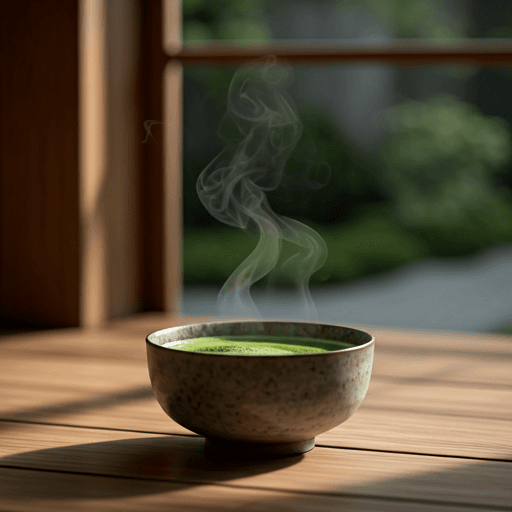
EGCG is the single most abundant and most studied antioxidant compound in green tea. Short for epigallocatechin gallate, it belongs to a family of plant compounds called catechins, and it is a big reason green tea turns up so often in nutrition research. Here is what EGCG actually is, why scientists keep studying it, how much ends up in your cup, and why drinking tea is not the same as taking a concentrated supplement.
What is EGCG?
EGCG stands for epigallocatechin gallate. It is a type of polyphenol -- a broad class of natural compounds found in plants -- and more specifically a catechin, which is a subgroup of polyphenols known as flavanols. Green tea contains several catechins, but four matter most: EGCG, epigallocatechin (EGC), epicatechin gallate (ECG) and epicatechin (EC). Of these, EGCG is both the most plentiful and the most heavily researched. By most estimates it makes up well over half of the catechins in a cup of green tea.
The reason catechins get so much attention is that they are antioxidants. In plain terms, an antioxidant is a molecule that can neutralise reactive, unstable molecules called free radicals before they damage cells. Plants make compounds like EGCG partly to protect their own leaves; when we drink the tea, we take some of that chemistry along with the flavour. EGCG is part of what gives strong green tea its brisk, slightly astringent, mouth-drying character, alongside related compounds called tannins.
All true tea -- green, white, oolong and black -- comes from the same plant, Camellia sinensis, so all of it contains catechins. Green tea keeps the most EGCG because the leaves are heated quickly after picking, which stops the enzymes that would otherwise convert catechins into the darker compounds found in black tea. That is why EGCG green tea is the version most associated with this particular compound.
Why EGCG is studied
EGCG is one of the most investigated plant compounds in modern nutrition science, which is exactly why it is easy to find overblown claims about it. It is worth being careful here: a compound being studied for something is not the same as it being proven to do that thing in everyday tea drinkers. Much EGCG research is early-stage, done in cells, animals or with concentrated doses, and results are often mixed. With that framing, here is what researchers actually look at.
- Antioxidant activity. This is the best-established role. EGCG can neutralise free radicals in lab settings, which is the foundation for most of the wider interest in green tea antioxidants.
- Metabolism and weight. EGCG, often alongside caffeine, has been studied for small possible effects on fat metabolism and energy use. Any effect seen in studies tends to be modest, and tea is not a weight-loss treatment.
- Heart and circulatory health. Populations that drink green tea regularly have been studied for associations with cardiovascular markers, but an association is not proof of cause.
- Cell health. A great deal of laboratory work looks at how EGCG behaves around cells. This is genuinely interesting science, but it is a long way from a claim you can make about a mug of tea.
The honest summary: EGCG is a promising compound that scientists find worth studying, and green tea is a pleasant, low-risk drink for most people. Neither of those facts means tea cures or prevents any disease. For a fuller, balanced look at what the drink may and may not do, see our green tea benefits guide, and our overview of antioxidants in tea for how EGCG fits among the other compounds.
How much EGCG is in your cup
There is no single number, because EGCG content swings with the type of tea, the quality and freshness of the leaf, how much leaf you use, and how you brew. The biggest single factor is whether you are drinking an infusion (where you steep leaves and discard them) or whole ground leaf.
Matcha is the standout. Because matcha is the whole green tea leaf stone-ground into powder and whisked into water, you swallow the entire leaf rather than just what dissolves out of it during a steep. That means you tend to get more EGCG per serving than from an equivalent cup of steeped green tea. Steeping, by contrast, only ever pulls a fraction of the catechins out of the leaf and into the water. White and oolong teas contain catechins too, while black tea has less because oxidation converts much of the EGCG into other compounds.
| Source | Relative EGCG | Notes |
|---|---|---|
| Matcha (whole ground leaf) | Highest per serving | You consume the whole leaf, not just an infusion |
| Loose-leaf green tea | High | Fresh, good-quality leaf and a proper steep extract the most |
| Green tea bags | Moderate to high | Convenient; finely broken leaf can still extract well |
| White tea | Moderate | Minimally processed; contains catechins, amounts vary |
| Oolong tea | Moderate to lower | Partially oxidised, so some catechins are converted |
| Black tea | Lower | Full oxidation turns much EGCG into theaflavins and thearubigins |
| Decaf green tea | Lower | Decaffeination can also strip some catechins |
| EGCG supplement / extract | Very high, concentrated | A different product with different risks -- see below |
How brewing changes the EGCG you get
Once you have chosen a tea, brewing decides how much epigallocatechin gallate actually makes it into the cup from a steeped infusion. A few principles hold up well.
- Hotter water extracts more. Higher temperatures pull out more catechins. The catch is that very hot water (near boiling) also extracts more bitterness and astringency from green tea, so a screaming-hot brew can taste harsh.
- Longer steeps extract more. A longer infusion draws out more EGCG, again with a bitterness trade-off past a couple of minutes.
- More leaf means more compound. A generous amount of fresh, good-quality leaf gives you more to extract than a tired, stale teabag.
- Freshness matters. Catechins degrade over time, so old tea stored in heat and light will deliver less than a fresh, well-kept batch.
In practice, the comfortable middle ground for green tea is water a little below boiling -- roughly 80C (176F) -- and a short steep of one to three minutes, then a second infusion if you like. That balances flavour against extraction. If you want the most EGCG with the least fuss, whisking matcha sidesteps the whole extraction question because the leaf goes straight into the cup -- our what is matcha guide covers how that works. And if you are wondering when in the day to drink it, see best time to drink green tea.
EGCG from tea vs EGCG supplements: an important difference
This is the part worth slowing down for. Drinking green tea is considered safe for most people in normal amounts, and the EGCG you get from a few cups a day comes diluted, spread across the day, and packaged with everything else in the leaf. High-dose EGCG supplements and green tea extracts are a different thing entirely. They concentrate the compound far beyond what you would ever drink, and in rare cases concentrated green tea extracts have been linked to liver problems.
Food-safety reviewers have flagged this. The European Food Safety Authority, for example, concluded that EGCG taken as a supplement at high daily doses may raise the risk of liver injury, based on trials showing increased liver-enzyme markers. The same review found that ordinary brewed green tea infusions are generally not associated with this risk. Reported cases have tended to involve concentrated extracts, sometimes taken on an empty stomach, rather than everyday brewed tea. The takeaway is simple: getting EGCG from tea is not the same as taking concentrated pills, and "more" is not automatically "better."
None of this is medical advice. If you are considering an EGCG or green tea extract supplement -- especially at higher doses, or if you have a liver condition, are pregnant, take medication, or are unwell -- talk to a doctor or pharmacist first. For most people, a few cups of green tea is the low-risk way to enjoy this compound.
How to get the most EGCG from your tea: a quick checklist
- Start with green or matcha. These keep the most EGCG. Matcha gives you the whole leaf; quality green tea steeps well.
- Buy fresh and store it well. Keep tea airtight, cool and away from light. Catechins fade with age and heat.
- Use enough leaf. A proper dose of leaf beats an under-filled bag.
- Steep with intent. Slightly hotter water and a slightly longer steep extract more EGCG; back off if it turns bitter, or take a second infusion.
- Skip the megadose mindset. Enjoy tea as a drink. Leave concentrated extracts to a conversation with a health professional.
The bottom line on EGCG
EGCG, or epigallocatechin gallate, is the headline catechin in green tea: the most abundant, the most studied, and the source of much of the drink's antioxidant reputation. It is genuinely interesting to researchers, but the science is mostly early and the strongest claims belong to the lab, not your mug. Drink green tea because you like it and it is a low-risk pleasure; treat high-dose supplements with far more caution. If you want to go deeper on the wider drink, our green tea benefits explainer and the antioxidants in tea overview are the natural next reads.