
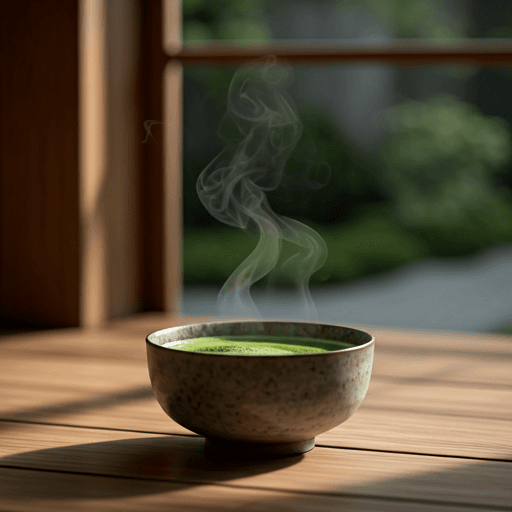
The short answer: the best time to drink green tea is mid-morning to early afternoon, between meals, when its gentle caffeine and L-theanine can give you calm, focused energy without disturbing your sleep. There is no single magic hour that unlocks extra benefits, but timing does change how green tea feels and how it interacts with your meals and rest. This guide walks through the trade-offs hour by hour so you can find the ideal time to drink green tea for your own day.
Think of timing as a comfort-and-context question rather than a health rule. Green tea is an enjoyable everyday beverage, not medicine. The notes below are general guidance, individual caffeine sensitivity varies a lot, and anyone who is pregnant, breastfeeding, managing their iron levels, or taking medication should check with a clinician about what suits them.
The best time to drink green tea: morning to early afternoon
For most people, the best time for green tea is the stretch from mid-morning to early afternoon. Green tea carries a modest amount of caffeine alongside an amino acid called L-theanine. That pairing is the reason green tea feels different from coffee: L-theanine smooths the edge of the caffeine, so you tend to get a steady, alert-but-calm focus instead of a jittery spike and crash. Drinking it while you work, study, or get through the post-lunch slump puts that gentle lift exactly where you want it.
Two windows stand out. A cup an hour or two after breakfast wakes you up without hitting an empty stomach. A cup in the early afternoon, roughly between 1 and 4 p.m., tackles the midday dip and still leaves your body many hours to clear the caffeine before bedtime. If you only drink one cup a day, early afternoon is a hard window to beat.
Why "between meals" matters
The single most useful timing tip has nothing to do with energy. Green tea is rich in tannins (a type of polyphenol), and tannins can bind to non-heme iron, the form of iron found in plant foods, and reduce how much your body absorbs. Studies have measured drops in non-heme iron absorption of well over half when tea is taken with a meal. That is a real effect worth respecting if you eat a mostly plant-based diet, are prone to low iron, or take an iron supplement.
The fix is simple: drink green tea between meals rather than alongside them. A good rule of thumb is to wait about an hour after eating, and to keep green tea at least an hour away from any iron supplement. Pairing iron-rich foods with a little vitamin C (a squeeze of lemon, some bell pepper) also helps counter the tannin effect. If iron is not a concern for you, this matters far less, and a cup with a meal is perfectly fine.
Green tea before a workout
A cup of green tea about 30 to 45 minutes before exercise is a popular pre-workout choice. That window roughly matches how long caffeine takes to peak in your system, so the gentle lift arrives just as you start moving. The same calm-alert quality that makes green tea pleasant at a desk can make a warm-up feel a little more focused. Keep expectations realistic: this is a mild, enjoyable nudge, not a performance supplement, and if caffeine makes you anxious or upsets your stomach, skip the pre-workout cup. For an evening session, a caffeine-free option is the kinder choice so you can still wind down afterward.
When to avoid green tea
Late evening and before bed
Green tea has less caffeine than coffee, but it is not caffeine-free, and that caffeine can linger for hours. Drinking a strong cup late in the day can make it harder to fall asleep or lighten your sleep, especially if you are caffeine-sensitive. A common guideline is to stop caffeinated green tea within about four to six hours of bedtime. If you love a warm cup in the evening, that is exactly when a naturally caffeine-free tea shines, or reach for decaffeinated green tea so you keep the ritual without the alertness. Our guide to herbal teas for sleep covers gentle evening options like chamomile and lemon balm.
A strong cup on a completely empty stomach
Some people drink green tea first thing on an empty stomach and feel fine. Others find that the tannins cause mild nausea, acidity, or a queasy feeling when there is no food to buffer them. If you are sensitive, do not force the dawn cup. Wait until you have had a little something to eat, or brew the leaves more gently (cooler water, a shorter steep) so the cup is lighter. There is no benefit lost by having your first green tea mid-morning instead.
Green tea timing at a glance
| Time of day | Good idea? | Why |
|---|---|---|
| Right on waking, empty stomach | Only if it agrees with you | Tannins can cause nausea or acidity in sensitive people; eat a little first or brew it light. |
| Mid-morning, after breakfast | Yes | Caffeine and L-theanine give calm, focused energy; food buffers the tannins. |
| 30-45 minutes before a workout | Yes, for most | A gentle pre-exercise lift as caffeine peaks; skip if it causes jitters or GI upset. |
| Early afternoon (about 1-4 p.m.) | Yes, often the ideal time | Beats the midday slump with hours to spare before sleep. |
| With an iron-rich meal or supplement | Better to wait | Tannins reduce non-heme iron absorption; drink it about an hour after instead. |
| Late evening / before bed | Best avoided | Caffeine can disrupt sleep; choose decaf or a caffeine-free tea. |
How to choose your green tea timing
- Match it to your energy dips. Use green tea where you actually want focus: mid-morning, the post-lunch slump, or before a task that needs concentration.
- Keep it between meals. Wait roughly an hour after eating, and an hour away from iron supplements, if iron absorption matters to you.
- Respect your caffeine clock. Stop caffeinated cups four to six hours before bed; switch to decaf or a caffeine-free tea in the evening.
- Read your stomach. If a cup on an empty stomach makes you queasy, eat something first or brew it lighter with cooler water.
- Stay sensible on quantity. A few cups across the day is plenty for most people; you do not need a perfect schedule to enjoy the benefits.
Does timing change the health benefits?
Mostly, no. The compounds people associate with green tea, especially its catechin antioxidants, are present whatever the hour. Timing mainly affects comfort, sleep, and iron absorption rather than unlocking some hidden bonus. Claims that a specific minute "burns more fat" or "detoxes" your system are overstated; green tea may support a healthy lifestyle, but it is not a cure or a quick fix. If your goal is weight management, our green tea and weight loss guide explains what the evidence actually shows, and our broader green tea benefits overview covers the rest.
What genuinely improves your cup is good brewing, not perfect timing. Green tea tastes best with water below boiling and a short steep, which keeps it smooth rather than bitter. If you want to dial that in, see how to make tea properly. And if you enjoy the whole-leaf, whisked version of green tea, our matcha explainer walks through how that style differs.
The takeaway is reassuring: there is no wrong time to enjoy green tea, only smarter times to lean on it. Sip it when you want gentle focus, give it room around meals and bedtime, and let the rest be about pleasure. Pour a cup at the hour that fits your day, and explore our wider tea guides when you are ready to go deeper.