
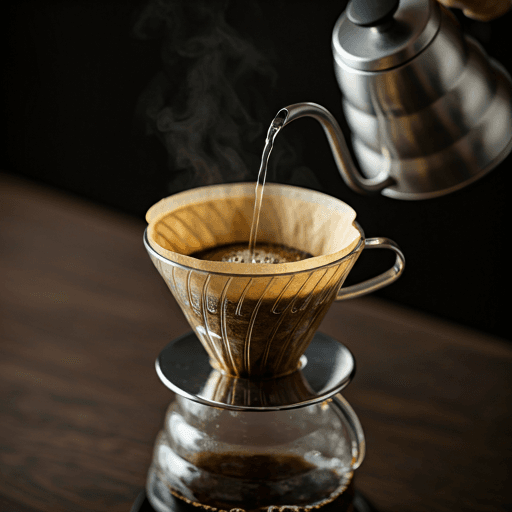
Espresso powder is brewed espresso that has been dried into a dark, concentrated, fully soluble instant powder — and despite the name, it is made for cooking and baking, not for brewing a cup. A small spoonful dissolves completely into batters, frostings, and sauces, where it deepens chocolate and adds rich coffee depth. It is one of the most useful and most misunderstood ingredients in a baker's pantry.
The biggest point of confusion is right there in the name: espresso powder is not the same as finely ground espresso beans, and it is more concentrated than ordinary instant coffee. This guide explains what it is, what makes it different, how to use it, and what to reach for when you do not have any.
What is espresso powder?
So, what is espresso powder, exactly? It begins as real coffee. Beans (usually a dark roast) are ground, brewed into espresso or very strong coffee, and then the liquid is dried back down — spray-dried or freeze-dried — into a fine, dark powder. The result is intensely concentrated and, crucially, completely soluble: stir it into hot water or batter and it vanishes, leaving no grit behind.
That solubility is the whole point. Because the coffee has already been brewed and dried, you are adding pure coffee flavor, not raw grounds that need to be steeped. The powder is also finer and darker than most instant coffee, which is why bakers reach for it when they want a clean hit of coffee depth without specks or sediment.
It is sometimes sold as instant espresso powder, which is the same thing: a fine, fully soluble instant coffee concentrated from espresso. Brands like King Arthur, DeLallo, and Medaglia d'Oro (a long-running instant espresso line, on shelves since 1924 and now made by The J.M. Smucker Co.) sell it specifically as a baking and dessert ingredient. These are named here only as factual, well-known examples — any fine, fully soluble instant espresso will do the same job.
Espresso powder vs ground espresso vs instant coffee
This is where most kitchen mix-ups happen. Three things sound similar and behave completely differently. Only one of them dissolves, and only one is purpose-built for baking.
| Product | What it is | Soluble? | Best use |
|---|---|---|---|
| Espresso powder | Brewed espresso, dried to a fine, very concentrated instant powder | Yes, fully | Baking and cooking — deepening chocolate, coffee desserts, savory rubs |
| Instant coffee | Brewed coffee dried into granules or powder, often from Robusta, less concentrated | Yes | Drinking a quick cup; a workable baking substitute |
| Ground espresso (beans) | Roasted coffee beans ground fine for an espresso machine — raw, un-brewed grounds | No | Brewing espresso; gritty and weak if dumped into batter |
The key takeaways: ground espresso is insoluble — it is meant to be brewed under pressure, and stirring it into a cake batter just leaves bitter grit. Instant coffee dissolves like espresso powder but is generally milder and a little less refined in flavor. Espresso powder sits at the concentrated, fine, fully soluble end, which is why a single teaspoon goes so far. For the drink-focused cousin of this baking ingredient, see instant coffee explained.
Why bakers use espresso powder for baking
The headline use of espresso powder for baking is simple and slightly magical: it makes chocolate taste more like chocolate. Coffee and cocoa share roasted, bitter, and fruity notes, so a small amount of espresso powder amplifies and rounds out chocolate flavor — deepening it, cutting any flat sweetness, and adding complexity — without making the finished dessert taste like coffee.
That is the part people miss. Used in small amounts (often just a teaspoon or two), espresso powder is a flavor enhancer, not a coffee flavor. You taste a richer, fudgier, more grown-up chocolate; you do not taste a mocha. That is why it turns up in so many serious chocolate recipes:
- Brownies, chocolate cake, and devil's food cake — a teaspoon in the dry ingredients deepens the cocoa.
- Chocolate chip cookies — a small pinch adds backbone without anyone naming the source.
- Frosting, ganache, and chocolate sauce — dissolved in, it enriches and balances sweetness.
- Coffee-forward desserts — here you do want the coffee to read, so you use more. Think tiramisu, coffee cake, mocha buttercream, and affogato-style treats.
When the coffee is supposed to be the star rather than a secret, espresso powder shines. It is the classic shortcut for a tiramisu soak and for adding espresso depth to a coffee cake. And because coffee and cocoa are natural partners, it is a core trick in pretty much any chocolate-and-coffee bake. Beyond the sweet stuff, a pinch can season savory cooking too — it adds dark, roasted depth to chili, barbecue spice rubs, and rich pan sauces.
How to use espresso powder
Espresso powder is forgiving, but a few habits make it work better. The golden rule: start small. It is concentrated, and you can always add more.
- For chocolate depth (no coffee taste), use about 1 teaspoon in a standard batch of brownies, cake, or cookies. You are seasoning the chocolate, not flavoring with coffee.
- Whisk it into the dry ingredients — flour, cocoa, sugar — so it distributes evenly before any liquid hits. This is the easiest method for most bakes.
- Or dissolve it in a little hot water (or hot milk or melted butter from the recipe) into a smooth paste, then stir that into the wet ingredients. Use this when you want it perfectly even or in sauces, frostings, and soaks.
- For a coffee-forward flavor, use more — a tablespoon or so, or to taste — in things like tiramisu, mocha frosting, or coffee buttercream where the coffee should be obvious.
- Taste and adjust. Different brands vary in strength, so treat the first batch as your reference point.
One more note: because it dissolves so readily, you do not need to "bloom" or brew it the way you would grounds. Just disperse it and let the recipe do the rest.
Espresso powder substitute
No espresso powder in the cupboard? The best espresso powder substitute is instant coffee — ideally a dark roast, crushed finer with the back of a spoon so it dissolves smoothly. Because instant coffee is milder and less concentrated, use a bit more: roughly 50% more than the espresso powder called for is a good starting point, then taste. Expect a slightly softer, occasionally more bitter edge, but for most chocolate bakes it works well.
A few more options and non-options:
- Instant coffee: the closest swap. Crush it fine and use a touch more.
- Strong brewed espresso or coffee (liquid): fine for sauces, frostings, and soaks, but it adds liquid — so reduce other liquids in the recipe to compensate. Not ideal where you need a dry powder mixed into dry ingredients.
- Finely ground espresso beans: generally not a substitute. They do not dissolve and can leave a gritty, bitter texture unless the recipe specifically calls for them.
How to store espresso powder, and does it have caffeine?
Storage is easy. Keep espresso powder in an airtight container, somewhere cool, dark, and dry — away from heat, moisture, and strong odors. Like instant coffee, it is shelf-stable and keeps its flavor for a long time, often well over a year, though it slowly fades. Moisture is its main enemy: a damp spoon can cause clumping, so always use a dry one.
And yes — it contains caffeine. Espresso powder is real coffee that has been dried, so it carries caffeine along with the flavor. In baking the amounts per serving are usually modest because you use so little, but if you are sensitive to caffeine or baking for someone who is, it is worth keeping in mind (decaf instant coffee is one workaround for the chocolate-deepening trick).
The bottom line
Espresso powder is a small jar that punches far above its weight: a fine, fully soluble, intensely concentrated instant coffee built for the oven rather than the cup. Use a teaspoon to make chocolate desserts richer without tasting like coffee, use more when you want the coffee to sing, and reach for crushed instant coffee when you run out. Keep it dry and airtight and it will sit ready for months. Next time a brownie or chocolate cake recipe lists it as "optional," treat that as a strong suggestion — that unassuming little jar is doing more work than it lets on.