
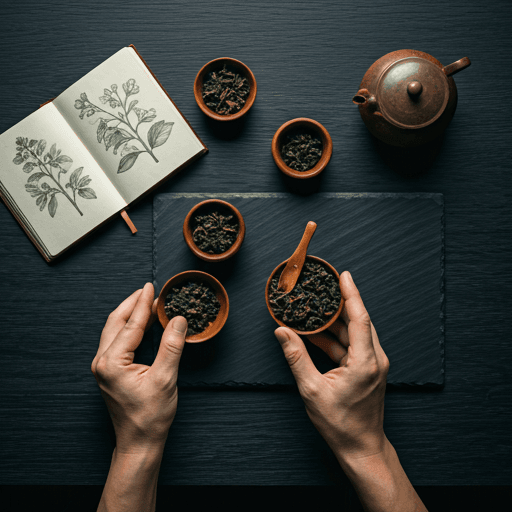
Dreams tea is an umbrella name for two overlapping kinds of herbal infusion: calming bedtime blends meant to help you wind down for restful sleep, and folklore teas traditionally linked to vivid or lucid dreaming. Neither is a medicine, and a cup of dream tea will not guarantee anything. Below is what dreams tea actually is, the herbs that usually go into it, the flavour to expect, and how to brew and enjoy it sensibly.
What is dreams tea?
"Dreams tea" is a marketing-friendly catch-all rather than a single recipe. When you see a tin labelled that way, it is almost always pointing at one of two ideas, and sometimes both at once.
1. Calming bedtime blends
The first and more common meaning is a soothing, caffeine-free bedtime tea designed to help you relax at the end of the day. These "sweet dreams" or "sweet slumber" style blends are built on gentle, well-known calming herbs: chamomile, lavender, lemon balm, valerian and passionflower turn up again and again. The aim here is the wind-down itself, not dreaming. For a wider look at which herbs are associated with better rest, our roundup of the best herbal teas for sleep is a good companion, and chamomile tea and sleep covers the most popular of them in detail.
2. Folklore "dream" herbs
The second meaning is older and more romantic: teas traditionally linked in folklore to vivid or lucid dreaming. The headline herb here is mugwort, so often called the original "dream tea," alongside things like blue lotus and a supporting cast of peppermint and ginkgo said to help with dream recall. This is the realm of tradition and anecdote, not proven effects. People have tucked mugwort under a pillow or sipped it before bed for centuries, but the dreaming reputation has never been firmly demonstrated in studies at normal brewing strengths.
Common dreams tea ingredients
Most blends mix a few herbs so the cup tastes pleasant and stays gentle. Here is a quick guide to the usual suspects, what they are traditionally used for, and the notes worth keeping in mind. None of this is medical advice.
| Herb | Traditionally used for | Notes and cautions |
|---|---|---|
| Chamomile | Gentle winding down before bed | Very popular and mild; people with a ragweed or daisy-family (Asteraceae) allergy may react |
| Lavender | Calm, soothing floral aroma | Strongly perfumed; a small pinch goes a long way |
| Lemon balm | Easing a busy, restless mind | Gentle and lemony; widely enjoyed in the evening |
| Valerian root | Traditionally associated with sleep | Earthy, divisive smell; can add to the effect of sedatives, so ask a professional |
| Passionflower | Quieting racing thoughts | Generally best avoided in pregnancy without advice |
| Mugwort | The classic folklore "dream tea" for vivid dreams and recall | Bitter; not well studied; not recommended in pregnancy or breastfeeding; Asteraceae allergy and medication interactions possible |
| Blue lotus | Traditional relaxant and "dream" herb | Not well studied; avoid in pregnancy; legal status varies by country |
| Peppermint or spearmint | Said in folklore to support dream recall; rounds out flavour | Refreshing and generally gentle |
If the herb list looks unfamiliar, it is worth understanding the wider category first. Our explainer on what herbal tea is covers why these caffeine-free infusions (more accurately tisanes) behave differently from true tea, and lemon balm tea is a good gentle place to start if you want a single-herb cup before mixing your own blend.
What dreams tea tastes like
Flavour depends entirely on the blend, but there are some reliable patterns. Bedtime blends tend to be soft, floral and slightly sweet, led by chamomile's apple-honey note and lavender's perfume, with lemon balm adding a light citrus lift. Valerian, if present, brings an earthy, almost musty undertone that some people love and others quietly dislike. Folklore dream blends built around mugwort taste noticeably more herbal and a little bitter, which is exactly why so many recipes round them out with mint, a touch of honey, or a base of chamomile. In short: expect gentle, herbal and aromatic, with mugwort blends sitting on the more savory, bitter end of the spectrum.
How to brew a relaxing cup of dreams tea
Brewing a tea for dreams is simple, and the method is much the same whether you are after a calming bedtime cup or a folklore dream blend. Covering the cup matters, because it traps the aromatic oils that give these herbs their character.
- Measure. Use about 1 to 2 teaspoons of dried herb (or one tea bag) per cup of around 8 oz / 250 ml. With potent herbs like mugwort, start at the lower end.
- Heat the water. Bring water to a fresh boil, then let it settle for a few seconds. Just-boiled water (roughly 200-212°F / 93-100°C) works well for sturdy flowers, leaves and roots.
- Steep covered. Pour over the herbs, put a lid or saucer on top, and steep 5 to 10 minutes. Longer steeps pull out more flavour and more bitterness.
- Strain and sip. Strain out loose herbs, add a little honey or lemon if you like, and enjoy it slowly.
- Time it. Drink your cup about 30 to 60 minutes before bed, as part of a wind-down ritual rather than at the last second, so you are not woken later by a full bladder.
If you prefer loose leaf to bags, the same gentle steeping approach applies neatly here: keep the cup covered, mind the time, and adjust the amount of herb to taste rather than over-steeping for strength.
Safety and good sense
A purely herbal dreams tea is naturally caffeine-free, which is part of its appeal at night, but always check the blend in case it contains true tea. Beyond that, a few calm, common-sense points matter, and none of this is a substitute for professional advice.
- Some "dream" herbs are not for everyone. Mugwort and blue lotus are not well studied and are traditionally advised against in pregnancy and breastfeeding. Mugwort in particular can also be an issue for people with daisy-family allergies and may interact with certain medications.
- More tea is not more dreams. Drinking extra cups will not deepen or guarantee dreaming, and it may simply disturb your sleep. Keep the cup modest.
- Introduce new herbs one at a time. If you want to test a potent ingredient's reputation, try it on its own and in a small amount first, so you know how your body responds.
- Ask a professional when in doubt. If you are pregnant, nursing, on medication, or managing a health condition, check with a healthcare professional before trying an unfamiliar blend.
How to choose a dreams tea
With the basics covered, picking a blend comes down to what you actually want from the cup. Use this short checklist:
- Decide your goal. Restful wind-down points you to a chamomile-led bedtime blend; curiosity about vivid dreams points you to a mugwort-based dream tea.
- Read the full ingredient list. Look for herbs you recognise, confirm it is caffeine-free if that matters to you, and note anything potent or unfamiliar.
- Match the flavour to your taste. Floral and sweet, or earthy and herbal? Mint and honey can tame a bitter mugwort blend.
- Loose leaf or bags. Bags are convenient; loose leaf lets you control strength and blend your own ratio.
- Keep your expectations grounded. The ritual of a warm, quiet cup before bed is the real, reliable benefit. Any dreaming effect is a traditional bonus, not a promise.
Whichever way you lean, a good dreams tea is best treated as a gentle evening ritual: a warm, fragrant, caffeine-free cup that signals to your body that the day is done. Brew it with care, keep the potent folklore herbs sensible, and let the calm do the work. If better sleep is your real aim, lean on the familiar calming herbs and treat any dreaming effect as a traditional bonus rather than a promise, and enjoy the wind-down for its own sake.