
Knowledge Base
Coffee & Tea Guides
Brew better and explore more — buying guides, how-tos, and explainers for every coffee and tea ritual.
Explainer
AeroPress vs Cold Brew: What's the Difference?
AeroPress or cold brew? One is a fast, hands-on pressed cup in about a minute; the other a slow, hands-off batch of low-acid concentrate. Here is how they compare on time, flavor, strength and iced coffee.
Explainer
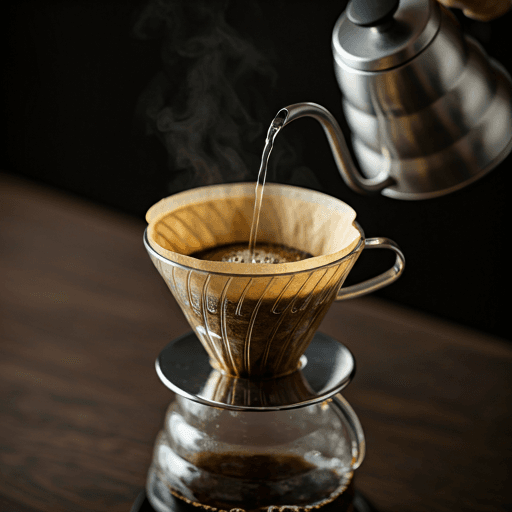
Moka Pot vs Pour Over: What's the Difference?
A moka pot uses steam pressure for a strong, concentrated cup; pour over uses gravity through a filter for a cleaner, brighter one. Here is how the two brewers differ and which to pick.
Explainer
How Much Ginseng Tea Per Day? A Simple Guide
Wondering how much ginseng tea to drink daily? There is no fixed limit, but many people keep it to about 1 to 2 cups a day and cycle it. Here is a hedged, non-medical look at how much and how often, plus a light brewing note.
Explainer
How Much Clove Tea Per Day? A Simple Daily Guide
There is no official daily limit for clove tea, but the spice is potent, so most people stick to about one to two gentle cups a day. Here is how to find your own comfortable amount.
Explainer
How Much Cardamom Tea Per Day?
There is no official daily limit, but about one to three cups a day is a common, gentle range for plain caffeine-free cardamom tea. Here is how to find your own comfortable amount.
Explainer
Does Chrysanthemum Tea Have Caffeine?
Pure chrysanthemum tea is naturally caffeine-free because it is a flower tisane, not true tea. Here is why the plain flower infusion has no caffeine, when a blend does, and how to tell the difference.
Explainer
Cafe Cubano vs Cortadito: What's the Difference?
Both are small, sweet Cuban espresso drinks built on whipped-sugar espuma. The difference in cafe cubano vs cortadito comes down to milk: a cafe cubano stays black, while a cortadito is cut with an equal splash of milk.
Explainer
Iced Americano vs Cold Brew: What's the Difference?
Both are black iced coffees, but an iced americano is espresso plus cold water over ice made in a minute, while cold brew is a 12 to 24 hour cold steep that tastes smoother, mellower and lower in acidity. Here is how they differ in method, flavor and caffeine.
Explainer
What Is an Iced Cortado?
An iced cortado is just a cortado served cold - a shot or two of espresso cut with roughly equal milk and poured over ice, giving a small, strong, milky iced coffee that stays bolder and less watery than an iced latte.
Explainer
Percolator vs Espresso: What's the Difference?
A percolator recirculates boiling water through coarse grounds for a bold mug, while an espresso machine pushes pressurized water through fine coffee for a tiny, crema-topped shot. Here is how the two methods compare on grind, time, flavour, and caffeine.
Explainer
What Is Lychee Jelly? The Bubble Tea Topping Explained
Lychee jelly is a firm, springy, floral bubble tea topping made from coconut, konjac, or agar jelly set with lychee flavor. Here is what it is, what it is made of, and how it differs from tapioca pearls and popping boba.
Explainer
What Is Pudding in Bubble Tea? The Soft Custard Topping
Pudding in bubble tea is a soft, custard-like topping, not a chewy one. Here is what it is made of, how it differs from tapioca pearls, and which drinks it suits.
Explainer
Does Ginseng Tea Have Caffeine?
Plain ginseng tea is naturally caffeine-free because it is a root tisane, not real tea. Here is why, plus the ginseng coffee and blended-bag exceptions to check for.
Explainer
Does Cardamom Tea Have Caffeine? What to Know
Plain cardamom tea is naturally caffeine-free because it is a herbal spice tisane, not true tea. The one exception is cardamom chai built on black tea, which is caffeinated. Here is how to tell which cup you are holding.
Explainer
Iced Cortado vs Iced Latte: What's the Difference?
Both are espresso and cold milk over ice, but an iced cortado is small and strong while an iced latte is large and milky. Here is exactly how the two differ.
Explainer
Spanish Latte vs Flat White: What's the Difference?
Both start with espresso and milk, but a Spanish latte is sweet and made with condensed milk while a flat white is small, strong and unsweetened. Here is how the two drinks differ.
Explainer
How Much Caffeine Is in a Freddo Espresso?
A freddo espresso is a Greek iced espresso with no milk, so its caffeine is essentially the espresso underneath: roughly 125 mg on the usual double shot, or about 63 mg on a single. Here is the rough range and what moves it.
Explainer
How Much Caffeine Is in an Espresso Tonic?
Almost all the caffeine in an espresso tonic comes from the espresso shot — roughly 63 mg for a single and 125 mg for a double, while the tonic water and ice add none.
Explainer
Hong Kong Milk Tea vs Thai Milk Tea
Hong Kong milk tea is a smooth, strong brown evaporated-milk tea; Thai milk tea is a bright orange, sweet, spiced condensed-milk tea. Here is how the two compare on tea base, milk, colour, sweetness and flavour.
Explainer
Does Burdock Root Tea Have Caffeine?
No — burdock root tea is naturally caffeine-free, because it is a herbal tisane brewed from the burdock plant, not the caffeinated tea plant. Here is why, plus the one blend caveat worth checking for.
Explainer
Iced Flat White vs Iced Latte: What's the Difference?
Iced flat white vs iced latte: both are espresso and cold milk over ice, but the flat white is smaller and stronger, while the latte is bigger and milkier.
Explainer
Iced Macchiato vs Iced Latte: What's the Difference?
Iced macchiato vs iced latte both use espresso, cold milk and ice, but one is stirred into an even, milky coffee while the other is layered with espresso poured last. Here is how the build, the first sip and the caffeine really compare.
Explainer
Cafe Cubano vs Espresso: What's the Difference?
A cafe cubano is basically an espresso shot with sugar whipped into a foamy espuma as it brews, while espresso is the plain, unsweetened base. Here is what really sets the two apart, from roast and foam to flavor and caffeine.
Explainer
How Much Caffeine Is in a Cafe con Leche?
A cafe con leche gets its caffeine from the coffee at its base, not the milk — roughly 63 mg with a single shot and around 125 mg with a double or strong moka-pot brew. Here is what moves the number.