
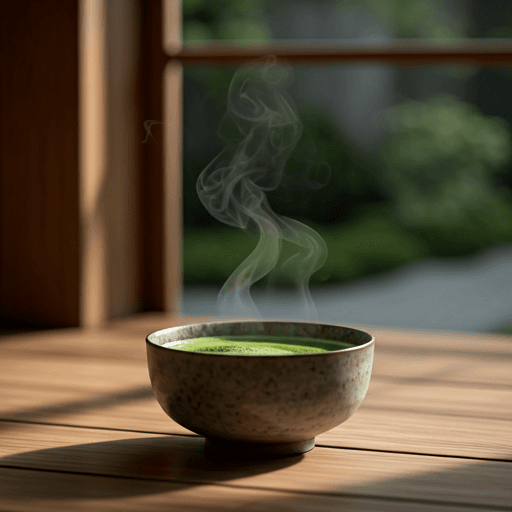
Does burdock root tea have caffeine? No — a plain cup is naturally caffeine-free. Burdock root tea is a herbal tea, or tisane, brewed from the root of the burdock plant (Arctium lappa, the same long taproot sold in kitchens as gobo), not from the caffeinated tea plant Camellia sinensis. On its own, then, burdock root tea contains essentially no caffeine.
That single fact settles the question for most people, but it is worth understanding why a root infusion carries no caffeine, and the one situation where a product labeled "burdock" could sneak some in. Here is the full picture, along with a simple comparison table.
Does burdock root tea have caffeine? The short answer
Burdock root tea is caffeine-free for a simple reason: caffeine is a compound that only a handful of plants produce, and burdock is not one of them. What we casually call "tea" actually splits into two very different groups. True tea — green, black, white, oolong and pu-erh — all comes from the leaves of a single plant, Camellia sinensis, which naturally makes caffeine. Everything else brewed from the roots, flowers, leaves, bark or seeds of other plants is technically a tisane, a herbal infusion. Burdock sits firmly in that second group. For the fuller definition of that category, see our guide to what herbal tea is.
So when people ask "is burdock root tea caffeine free," the honest answer is yes — the plant simply does not manufacture caffeine, and no amount of steeping the root will create any.
Why root and herbal teas are naturally caffeine-free
Caffeine is a natural stimulant that certain plants evolved, in part, as a defense compound. It shows up in tea leaves, coffee beans, cacao, yerba mate, guarana and a few others — but not in burdock, chamomile, peppermint, rooibos, hibiscus or the wider world of herbal roots and flowers. Because burdock root tea is made from nothing more than the burdock taproot and hot water, there is no caffeine source in the cup to begin with.
It also helps to know that brewing cannot conjure caffeine out of thin air. Hot water only draws out compounds that are already present in the plant material. If the root never contained caffeine, a longer steep or hotter water will not change that — you will get a stronger, earthier flavor, but still no stimulant. This is the same reason chamomile, ginger and rooibos are so often reached for in the evening: none of them descend from Camellia sinensis. If you want the broader rundown of which brews do and do not contain the stimulant, our explainer on whether tea contains caffeine walks through it plant by plant.
Caffeine in burdock root tea: how it compares
To put the caffeine in burdock root tea in context, it helps to line it up against true teas made from the tea plant. The contrast is stark — a herbal root infusion versus caffeinated leaves:
| Tea type | What it is brewed from | Typical caffeine per cup |
|---|---|---|
| Burdock root tea (herbal) | Burdock root (Arctium lappa / gobo) | None to negligible |
| Green tea | Camellia sinensis leaves | Roughly 20-45 mg |
| Black tea | Camellia sinensis leaves | Roughly 40-70 mg |
Those green and black figures are broad, approximate ranges — the exact amount shifts with the leaf, the steep time and the water temperature — but the point stands: burdock root tea's caffeine content is effectively zero, while true teas clearly are not.
The one caveat: check the label on blends
Here is the exception worth flagging. A product sold as a burdock "tea" is caffeine-free only if burdock (and perhaps other herbs) are all that is inside. Some blends pair burdock root with actual green or black tea, or with naturally caffeinated botanicals like yerba mate or guarana, for an energizing twist. The moment any of those appear in the ingredient list, the blend is no longer caffeine-free. So if a completely caffeine-free cup matters to you, read the ingredients: a pure burdock — or a burdock-and-dandelion, or burdock-and-ginger — blend should carry none, whereas anything listing tea leaves, mate or guarana will. When in doubt, the label is the final word.
Is caffeine-free the same as decaf?
It is worth drawing one small distinction. Burdock root tea is naturally caffeine-free, meaning caffeine was never there in the first place. That is different from a decaffeinated true tea, which starts as caffeinated Camellia sinensis and then has most of the caffeine removed through a process — a step that usually leaves a small trace behind. Burdock skips all of that, because there is nothing to strip out. So a naturally caffeine-free tisane like burdock is, if anything, an even cleaner choice than a decaf option for anyone who wants to steer clear of the stimulant entirely.
What burdock root tea is like
Beyond the caffeine question, people are often curious what they are actually drinking. Burdock root tea is a mild, earthy infusion of the plant's long taproot — the same root known in many kitchens as gobo. Steeped in hot water, whether from fresh, dried or roasted root, it tends to taste woody and gently sweet, with a savory, almost mushroom-like or artichoke-adjacent depth. Roasted versions lean toasty and rounder; lighter steeps stay clean and vegetal. It is usually enjoyed plain, though a slice of ginger, a squeeze of lemon or a touch of honey are common companions, and it is sometimes combined with dandelion or chicory for a fuller, roastier cup.
People tend to value it as a soothing, non-caffeinated hot drink with an unusual savory character rather than a floral or fruity one. We are keeping this to the flavor and the cup here; for a closer look at how burdock root is traditionally enjoyed and what draws people to it, see our overview of burdock root tea.
Who drinks it, and when
Because burdock tea caffeine content is essentially nil, it slots easily into moments when a caffeinated drink would not. Many people pick it precisely as an anytime or evening cup — something warm to sip after dinner or later at night without the alertness that green tea, black tea or coffee can bring. It is also a natural choice for anyone cutting back on caffeine, or who simply enjoys the earthy, savory flavor. Since responses to caffeine vary from person to person, a genuinely caffeine-free option like burdock is a handy one to have on the shelf, though when to drink it is very much a personal call.
A light safety note
A quick, non-medical heads-up: burdock belongs to the daisy, or Asteraceae, family — the same botanical family as ragweed, chrysanthemums and marigolds. People with a known allergy to that family may want to be cautious. And if you are pregnant, breastfeeding, taking any medication, or simply unsure whether it suits you, it is best to check with your own healthcare provider before adding a new herbal tea to your routine. This is general information only, responses vary from person to person, and it is not medical advice.
Tisane vs true tea
The whole caffeine answer really comes down to a naming quirk. In everyday speech we call almost any hot infusion "tea," but strictly speaking, tea means the leaves of Camellia sinensis, while a herbal infusion of roots, flowers or leaves from other plants is a tisane. Burdock root tea is a tisane through and through, which is exactly why it carries no caffeine. If that distinction is new to you, our short explainer on what a tisane is unpacks it. Once the tisane-versus-tea line clicks, the caffeine question answers itself: no leaves from the tea plant means no caffeine in the cup.