
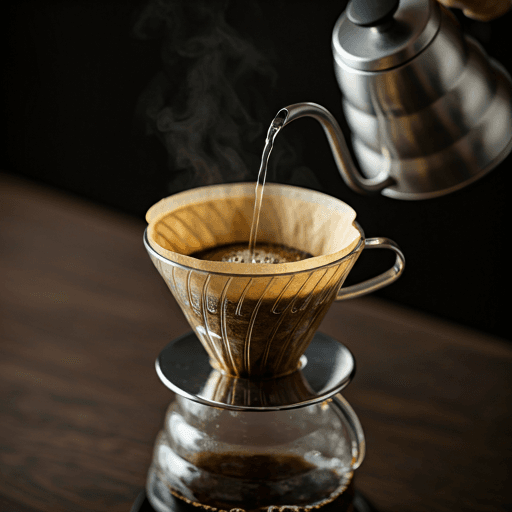
Wondering how much caffeine in a freddo espresso actually lands in your glass? The short, hedged answer is that a freddo espresso is a Greek-style iced espresso, whipped espresso poured over ice with no milk, so its caffeine is essentially the caffeine of the espresso underneath. Because Greek cafes very often build it on a double shot, a typical freddo espresso tends to sit around 125 mg, while a single-shot version lands closer to 63 mg. Those numbers are rough guides, not lab readings.
This guide focuses on the milligram math. For the full story of what the drink is, how it foams and how it is made, see our explainer on what a freddo espresso is. Here we stick to the caffeine.
How much caffeine in a freddo espresso: the short answer
Because a freddo espresso is nothing more than espresso chilled, aerated and poured over ice, the caffeine in a freddo espresso is basically the caffeine of the shot or shots it is built on. There is no milk to dilute it and no long steep to change it, so counting the espresso gives you the answer.
- Single-shot freddo espresso: roughly 63 mg of caffeine, in line with a standard single shot.
- Double-shot freddo espresso: roughly 125 mg, since two shots roughly double the dose. This is the most common build.
- The ice: adds volume and chill, but no caffeine at all.
So does a freddo espresso have caffeine? Yes, and a fairly punchy amount for a cold drink, because it is concentrated coffee rather than a watered-down one. The freddo espresso caffeine content tracks the shot count almost exactly, which makes it easy to estimate once you know how many shots went in.
| Freddo espresso version | Espresso base | Rough caffeine |
|---|---|---|
| Single-shot freddo espresso | One espresso shot | ~63 mg |
| Double-shot freddo espresso | Two espresso shots | ~125 mg |
| Decaf-based freddo espresso | Decaf espresso shot(s) | ~2 to 15 mg (trace) |
Read every figure in that table as an approximate midpoint. The freddo espresso caffeine mg total shifts with the shot size, the bean, the roast, the dose and the grind, so two cafes can both pour a freddo espresso and hand you meaningfully different amounts of caffeine.
Why a freddo espresso often lands on the higher side
The reason a freddo espresso tends to carry more caffeine than you might expect for an iced coffee is simple: in Greece, where the drink comes from, cafes very commonly build it on a double shot by default. Ordering a freddo espresso in a Greek cafe usually gets you two shots whipped with ice unless you ask for a single, which is why the everyday version lands nearer 125 mg than 63 mg.
That default is not a hard rule, though, so it is worth hedging. Some baristas and home setups use a single shot, some pull a generous double, and a few will happily stretch to more if you ask. The frothy, mousse-like foam on top can also make the drink feel gentler than it is, since a smooth cold coffee reads as milder on the palate than a sharp hot shot even when the caffeine is identical. In other words, a freddo espresso can be stronger than it tastes.
Where the caffeine in a freddo espresso comes from
All of the caffeine rides in on the espresso, not the ice and not the whipping. Espresso is coffee brewed under pressure into a small, concentrated volume, and each shot carries a lot of caffeine for its size. A single shot is often estimated at around 63 mg, but that figure moves with the bean variety (robusta typically runs higher than arabica), the roast, how much ground coffee is dosed and how the shot is pulled. Our guide to caffeine in espresso unpacks why one shot is never a fixed number.
The ice, by contrast, does nothing to the caffeine except spread it across a colder, slightly more diluted drink as it melts. It changes the temperature and the volume in the glass, not the milligrams. That is why chilling and aerating a shot to make a freddo espresso keeps the full stimulant load of the coffee you started with: the froth is aerated coffee, not a caffeine-free additive. Change the espresso and you change the caffeine; change the amount of ice and you only change how cold and how long-lasting the drink is.
Freddo espresso vs freddo cappuccino: does the milk foam add caffeine?
The freddo espresso has a milky sibling, the freddo cappuccino, which crowns the same cold, whipped espresso with a cap of cold airy milk foam known in Greek as afrogala. It is a fair question whether that foam bumps up the caffeine, and the short answer is no: milk is caffeine-free, so adding the afrogala changes the taste, texture and look of the drink but leaves the caffeine essentially where it was.
In practice that means a freddo cappuccino built on the same double shot carries roughly the same caffeine as the freddo espresso underneath it, give or take. It simply tastes creamier and softer because of the milk cap. If you want less caffeine, the lever is the espresso, fewer shots or a decaf base, not the foam. This is a light general point rather than a precise measurement, since real cups vary.
How a freddo espresso compares to other iced coffees
Per glass, a freddo espresso is on the concentrated end of the cold-coffee spectrum. It is a whole espresso, usually a double, poured over ice with nothing to water it down beyond the melting cubes. A tall iced coffee, by contrast, is often brewed coffee or a diluted concentrate stretched over a big cup of ice, so it can taste bigger while carrying a similar or even lower caffeine load spread across more liquid. For that side of the math, see our overview of how much caffeine in iced coffee typically carries.
The practical takeaway is that a small, punchy freddo espresso can out-punch a much larger iced coffee, because the caffeine is packed into a concentrated shot rather than diluted through a large drink. Volume in the glass is a poor guide to strength here; the shot count is what matters. If you are choosing a cold coffee for a real lift, a double freddo espresso delivers it in a compact, milk-free form.
A note on moderation
As a loose general guide, many health authorities point to about 400 mg of caffeine a day as a reasonable ceiling for most healthy adults. A single-shot freddo espresso of roughly 63 mg leaves plenty of room; a double-shot cup near 125 mg adds up faster, so a few of them across a day can climb toward that figure once you count any other coffee, tea or cola you drink. Our overview of how much caffeine per day puts these numbers in context.
Responses to caffeine vary a lot from person to person, and this is general information, not medical advice. If you are especially sensitive to caffeine, are pregnant or breastfeeding, take medication that may interact with it, or find that late-day coffee affects your sleep, it is worth asking your own healthcare provider what fits you. A frothy cold coffee can be easy to sip quickly, so timing and pacing matter more than the exact milligram figure.
The quick recap
A freddo espresso carries the caffeine of the espresso at its heart and none from the ice or the froth: figure on roughly 63 mg for a single-shot cup and around 125 mg for the more common double-shot version, with real glasses sliding either way based on the beans, the dose and how the shots are pulled. Count the shots, and you have your answer.