
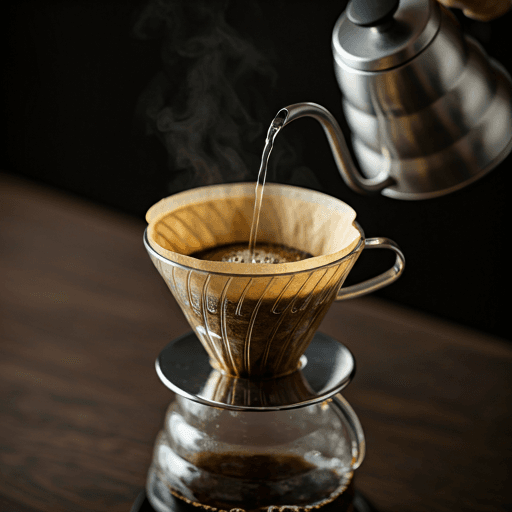
How much caffeine is in iced coffee? A standard glass of classic iced coffee usually carries roughly 90 to 165 mg of caffeine, give or take, because real cups vary a lot. The caffeine in iced coffee is almost the same as the caffeine in a same-size cup of hot brewed coffee, because traditional iced coffee is simply hot-brewed coffee that has been chilled and poured over ice. The ice waters down the flavor, but it does not wash out the caffeine that was already brewed into the cup.
That said, "iced coffee" is a loose term. What a cafe hands you under that name can be brewed coffee over ice, a cold brew, or an espresso-and-milk iced latte, and those three carry different amounts of caffeine. Below we focus on classic iced coffee (hot-brewed, then chilled) and keep cold brew and iced lattes as separate cases, because lumping them together is where most confusion about iced coffee caffeine content starts.
How much caffeine is in iced coffee? The short answer
For a typical glass of classic iced coffee, plan on somewhere around 90 to 165 mg of caffeine, roughly the same as a hot cup of drip coffee at the same size. If you want the full range for the underlying brew and how it is measured, we keep that baseline in how much caffeine is in a cup of coffee, so treat these figures as the iced version of that same number.
The reason is simple: classic iced coffee is brewed hot, exactly like drip, and then cooled and poured over ice. Almost all the caffeine is pulled out of the grounds during that hot brew. Chilling and adding ice change the temperature and the texture, not the amount of caffeine in the liquid you brewed. So a 12 oz (about 350 ml) glass of iced coffee sits in a similar caffeine ballpark to a 12 oz hot coffee, assuming both start with a similar amount of ground coffee.
Why the ice does not lower the caffeine in iced coffee
It is tempting to assume that ice dilutes a drink and therefore dilutes its caffeine. It does dilute the taste, but here is the key distinction: caffeine is extracted during brewing, before the ice ever shows up. Once the caffeine is dissolved in the brewed coffee, it stays in that liquid. Melting ice adds water, which spreads the same caffeine over more volume and makes the drink taste weaker, but the total number of milligrams in the glass does not fall just because some ice melted.
There is one honest nuance. If a shop brews a normal-strength coffee and then pours it over a mountain of ice, the finished glass can be more watered down, sip for sip, than a hot cup. The caffeine total is still similar, but it is spread across a larger, meltier drink. To fight that, many cafes and home brewers make the coffee stronger (more grounds, less water) so that once the ice melts, the drink lands at normal strength. A stronger brew means more caffeine went in to begin with, so a well-made iced coffee can actually match or slightly beat a casual hot cup.
This is also why "does iced coffee have more caffeine" has no single yes-or-no answer. Same brew, same size, poured over ice: about the same. Brewed extra strong for ice: potentially a touch more. Drowned in ice with no adjustment: about the same milligrams, just tasting weaker.
Iced coffee is not cold brew or an iced latte
The biggest source of wrong caffeine guesses is treating every cold coffee as the same drink. Three very different things often share the "iced coffee" label:
- Classic iced coffee is coffee brewed hot, then chilled and served over ice. Its caffeine tracks a normal hot cup: about 90 to 165 mg for a mid-size glass.
- Cold brew is coffee steeped in cold water for many hours, then filtered. It is usually made as a strong concentrate and often lands higher in caffeine than classic iced coffee. We keep that figure in how much caffeine is in cold brew, and the brewing difference in cold brew vs iced coffee.
- Iced latte is one or two shots of espresso over milk and ice. Its caffeine comes from the espresso shots (roughly 60 to 80 mg per shot), not from a big pot of brewed coffee, so the numbers work differently.
So if someone tells you "iced coffee has way more caffeine," it is worth asking which drink they mean. They are often picturing cold brew, which is a long cold steep and frequently stronger, rather than a chilled hot brew.
How the caffeine in iced coffee compares
Here is a rough side-by-side. Every figure is an approximation for a mid-size serving; real drinks swing with bean type, grind, brew strength, and how a given shop measures a "medium."
| Drink (about 12 oz / 350 ml unless noted) | Approx. caffeine |
|---|---|
| Classic iced coffee (brewed hot, over ice) | ~90-165 mg |
| Hot brewed / drip coffee, same size | ~90-165 mg |
| Cold brew, same size (usually stronger) | often ~150-240 mg |
| Iced latte, 1 shot espresso | ~60-80 mg |
| Iced latte, 2 shots espresso | ~120-160 mg |
| Iced decaf coffee | ~2-15 mg |
The headline takeaways: classic iced coffee and hot drip coffee sit in the same band; cold brew usually runs higher; and an iced decaf still contains a few milligrams, because decaffeinated does not mean caffeine-free.
What changes the caffeine in your glass
Two iced coffees can differ a lot. The main levers, all approximate:
- Cup size. A large glass simply holds more brewed coffee, so it carries more caffeine than a small one.
- Brew strength. More grounds per cup of water means a stronger, more caffeinated brew, the single biggest factor after size.
- How much ice and water. A glass packed with ice that melts into normal-strength coffee tastes weaker; brewing stronger to compensate raises the caffeine that went in.
- Bean type. Robusta beans carry noticeably more caffeine than arabica, so a robusta-heavy blend pushes the numbers up.
- Decaf. Choosing decaf drops the caffeine to just a few milligrams per glass, though not quite to zero.
Roast level makes a smaller difference than most people assume, and it is easy to overstate. If you are chasing a specific caffeine target, brew strength and cup size move the needle far more than swapping a light roast for a dark one.
How iced coffee fits your daily caffeine
For most healthy adults, general guidance puts a moderate daily caffeine ceiling in the region of 400 mg, very roughly two to four glasses of classic iced coffee depending on how strong they are made. We unpack that ceiling and how to budget it across a day in how much caffeine per day.
Those numbers are only a starting point. Caffeine sensitivity varies widely from person to person, and it can matter more if you are pregnant or breastfeeding, take certain medications, have a heart or anxiety condition, or are simply sensitive to caffeine late in the day. If any of that applies to you, it is worth asking your own healthcare provider what a sensible amount looks like for you. Responses vary, and this is general information, not medical advice.
The practical bottom line: a classic glass of iced coffee is not a caffeine bomb hiding behind ice cubes. It is a normal cup of brewed coffee that happens to be cold, with similar milligrams to the hot version, while cold brew and iced lattes remain their own separate cases.